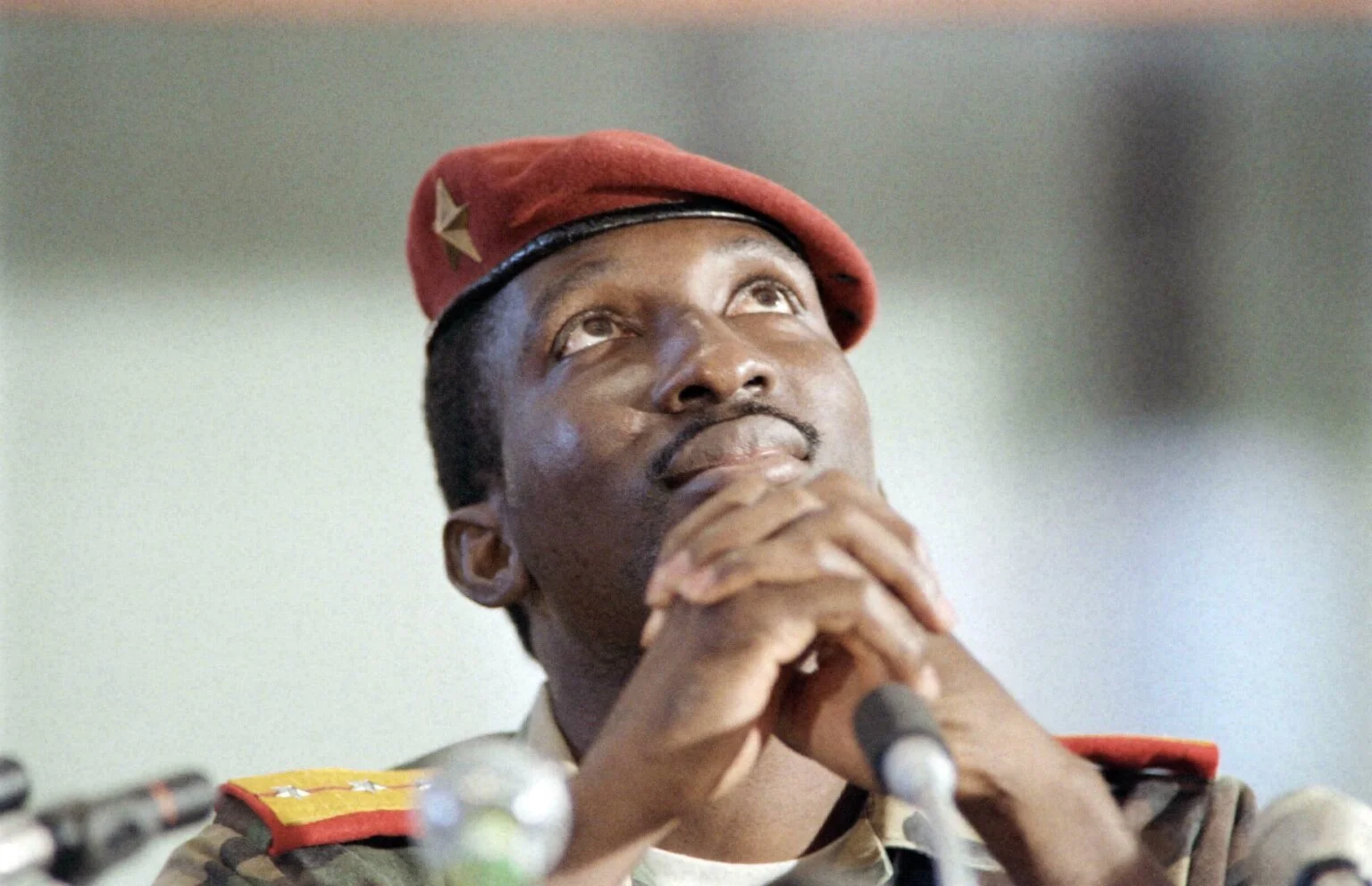
Burkina Faso marked a milestone on May 17, 2025 when it officially opened the mausoleum of Captain Thomas Sankara and his twelve comrades assassinated in 1987.
President Captain Ibrahim Traoré and ministers of the government attended the Ouagadougou commemoration on the very spot where they were killed; it had powerful resonance for Burkinabè people and all Sankara revolutionary admirers throughout the entire African continent.
A Symbolic Date and Place
May 17 is a highly symbolic inauguration date. Large-scale anti-imperialist protests organized by Thomas Sankara, the Prime Minister at that time, on May 17, 1983, finally propelled the Democratic and Popular Revolution (RDP) and Sankara into power.
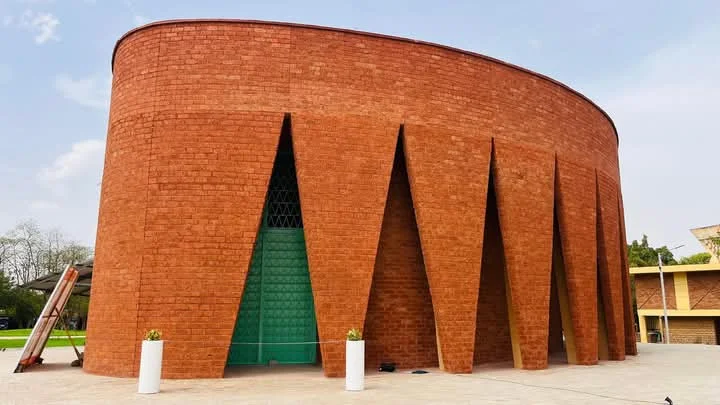
Opening the mausoleum on this day allows the present leadership to establish a dramatic connection between Sankara’s revolutionary ideas and the continued fight for dignity and sovereignty in Burkina Faso.
Architectural Vision: Inspiring the Future and Celebrating Legacy
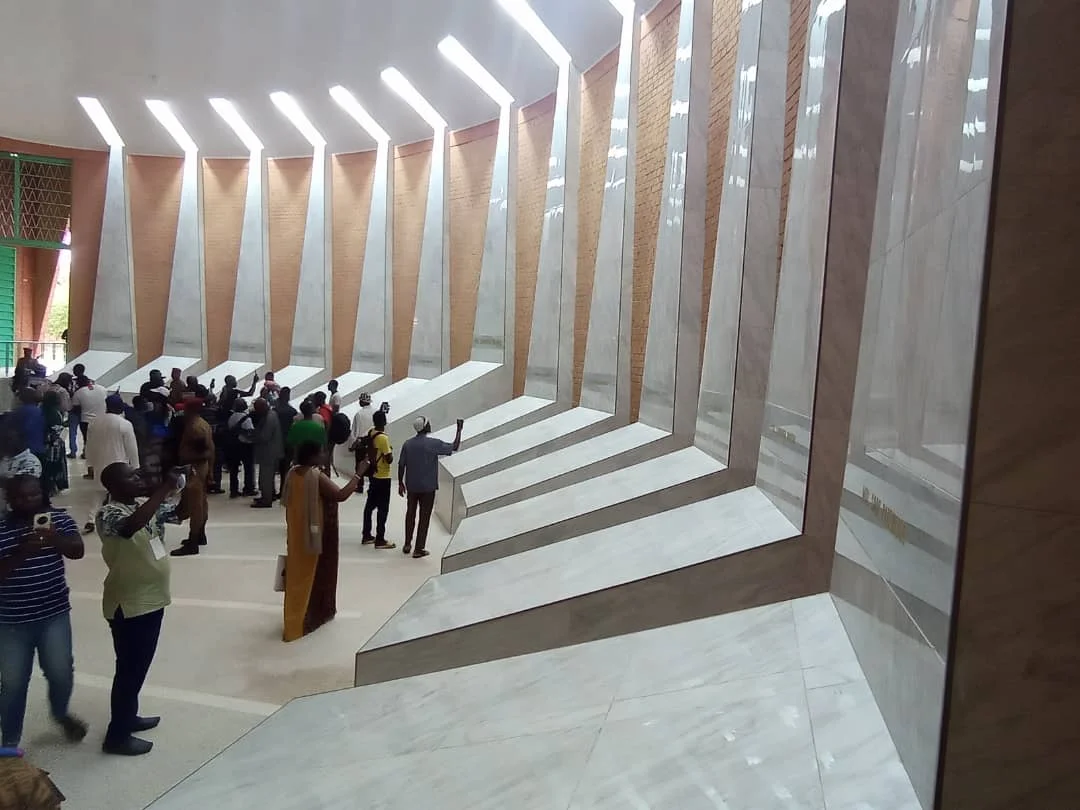
The tomb, initial completed part of the overall Thomas Sankara Memorial project, was created by the great Pritzker Prize-winning architect Francis Kéré. The complex will be a living environment for learning, gathering, and contemplation and also a memorial. The 20-hectare land accommodates a museum, library, exhibition hall, and areas of public engagement in addition to the graves.
Planned 87-meter tower, due to be completed in 2028, will be a breathtaking new city symbol in Ouagadougou. Twisty slope of the tower provides visitors with a physical and symbolic climb through Sankara’s notions of independence, social equality, and pan-African unity, thus symbolizing the challenging but worth it journey of revolution.
A Living Remembrance
On a Prime Minister Rimtalba Jean Emmanuel Ouédraogo post, President Traoré highlighted that the mausoleum is “a living symbol of Burkina Faso’s revolutionary spirit and its unrelenting quest of self-determination” but not just a monument to the past. The memorial is meant to be a site of reflection, inspiration, and learning, so with the guarantee that the values Sankara—integrity, dignity, civic-mindedness, and patriotism—cultivated are transmitted to future generations.
Architecture in the location illustrates local skills and natural methods, thereby instating Sankara’s idea of a strong and self-sufficient Burkina Faso. Streets surrounding the tomb have been named after Sankara’s twelve dead friends, thereby perpetuating their memory into the country’s life.
Cultural and Political Significance
The inauguration takes place during a time of political crisis and challenges in Burkina Faso, including persistent security concerns and controversy over national identity. For others, the mausoleum is a reminder of Sankara’s anti-colonial and pan-African ideology, in a sense both a call to unification and a memorial to unfinished revolutionary projects.
Enlarging, the Thomas Sankara Memorial shall become a national memorial and a beacon for inspiration to all Africans who aspire to justice, freedom, and sovereignty.
Captain Thomas Sankara’s mausoleum is proof of his lasting legacy of leadership and sacrifice. A monument above all, it is a living space for collective memory, reflection, and continued quest by the values which Sankara sacrificed Burkina Faso and Africa.