
In a political showcase that was at the same time normal and groundbreaking, Paul Biya, 92, at the helm of Cameroon’s government, has hit the campaign trail this week to launch his campaign for his eighth consecutive presidential term. Biya, whose public appearance was a rare one in the northern town of Maroua, came before loyalists, a few skeptics, and a country split by fatigue and uncertainty.
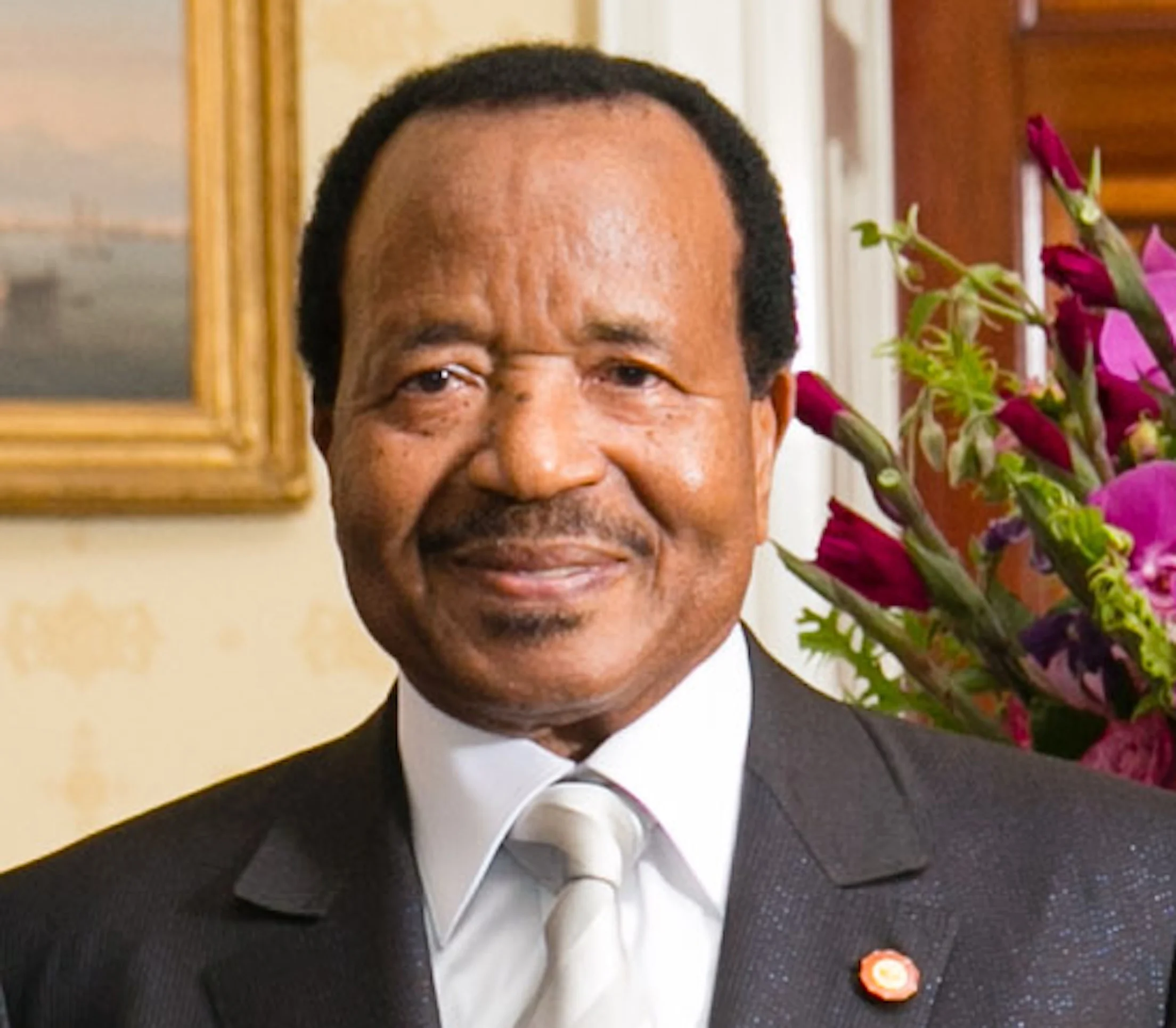
Paul Biya, who has been president for more than forty years and is now the oldest sitting head of state in the world, represents the epitome of longevity as well as controversy as Cameroonians get ready to vote on October 12, 2025.
Rallying in the Far North: A Tactical Return
Biya’s campaign launched Tuesday in a stadium in the Far North region where almost a fifth of Cameroon’s 8.2 million registered voters live. Biya, arriving at a crowd that was far smaller than organizers expected, appeared to be physically diminished and frail, but apparently still determined, and spoke before the citizens gathered for a 25-minute description of security, employment opportunities for youth, and infrastructure.
“My determination to serve you is unwavering,” Biya stated to the several hundred citizens in attendance. “I am fully aware of the difficulties that trouble you, and I am aware of the unmet expectations that lead to uncertainties about the future… these hardships can be alleviated.” He promised better security in this Boko Haram-affected zone, jobs, investments in roads, and increased social services and claimed he would work to ensure that no young person would be left behind.
An Unusual Presidential Race and Mounting Challenges
Biya’s campaign is occurring against the backdrop of a range of crises for Cameroon: ongoing violence from extremist groups in the Far North, an ongoing Anglophone separatist insurgency in the Southwest, economic stagnation, rising youth unemployment, a growing wave of public skepticism, much of it concerning Biya’s age and health.
Critics and former allies have publicly questioned whether a nonagenarian with a long history of health problems is capable of running the nation for another seven years. These doubts have deepened with questions raised about his long absences, including a recent unannounced week in Switzerland—reportedly for medical treatment. The government has discounted health concerns as “pure fantasy,” yet public discussion of Biya’s age and health remains a sensitive topic that is often censored in the country’s media.
Turbulence Within the Ruling Party and Family
The ruling Cameroon People’s Democratic Movement (CPDM) party, which Biya has managed since coming to power in 1982, supports him firmly. However, there are indications of cracks: two cabinet officers have defected from the north, making headlines. Biya’s own daughter, Brenda Biya, from his marriage to Chantal Biya, stirred the pot unusually last month when she called on Cameroonians to vote her father out in a viral TikTok video, before walking back her comments. As Reuters points out, these unprecedented comments and their backlash from her father only add to the questions surrounding Biya’s legacy and succession.
Yet, the Cameroonian political elite and their reliance on Biya’s ongoing system of patronage, plus the loyalty of the armed forces, exhibit few indications of turning against him prior to the election. According to Arrey Ntui, the senior analyst at International Crisis Group, “Very few individuals in the circle that runs, or benefits, from the current ruling establishment, would take the risk of challenging him. When dealing with the president, independent thoughts are almost non-existent. It is a singular narrative: the president is still holding office, and is still eligible to run for more, end of story”.
Democracy on Hold? Election Under Tight Control
With eleven candidates for the opposition, analysts point to opposition fragmentation, the state’s heavy involvement in the CPDM campaign, limitations on rival rallies, and allegations of vote tampering, as giving Biya a significant advantage. Human rights advocates and electoral observers have all documented continuing barriers to free political activity, a crackdown on independent media, and outright intimidation when the context is critical.
Many young voters, the majority of citizens in Cameroon feel completely apathetic about the election and are disheartened by youth unemployment and lack of quality viable alternative candidates, according to Deutsche Welle.
The Record: Four Decades in Office
Biya has faced coups, constitutional revisions, and multiparty elections since taking office. After taking over in 1982, he survived an attempt on his life in 1984 and won the first multiparty election in Cameroon in 1992 by three percent. In 2008, he changed the term limit provisions to be re-elected in 2011, 2018, and now again in 2025.
There has been both political stability and rising authoritarianism, economic disenchantment, and government corruption defined as “Endemic”, during Biya’s rule. And, critics say, there is a culture of personality with little meaningful political renewal.
The Opposition: Disorganized Opposition
Former government ministers and reformists run against Biya, but no cohesive challenger firmly sustains Biya’s inevitable outcome. A challenge is the candidacy of Tomaino Ndam Njoya, a respected parliamentarian, who has brought a new energy but no chance against the entrenched operations of the state.
Opposition leader Maurice Kamto is barred from running and advocated for voters to “freely” vote as his clock runs out to unite the opposition.
What Happens Next?
Cameroonians will go to the polls on October 12, most observers expect Biya and the CPDM to win again. For many, this outcome was expected while deeply dissatisfying and entrenched the risks to power when it resides too long in one pair of hands. The International Crisis Group warns that the real test will not be the result of the election, but the uncertainty of what will happen if the 92-year-old leader can no longer govern.
The Weight of Longevity
Paul Biya’s unusual effort to return to the road to campaign was more symbolic of persistence, resilience, and a governing regime unwilling to change over time. By Janet’s habitual habit or deliberate accomplishment, Biya stocks the system, including now.
To be sure, however, frustrations simmer below the surface: among his party, the restless young, and even within his family. The world is watching, and the Cameroonians are waiting; Biya might be re-elected for an eighth term but cannot stave off indefinitely what happens to every leader, no matter how tenacious.