Togo, a small yet strategically important nation in West Africa, has made headlines around the world recently as Togo protesters demanding president’s resignation have taken to the streets in defiance of the Togolese government.
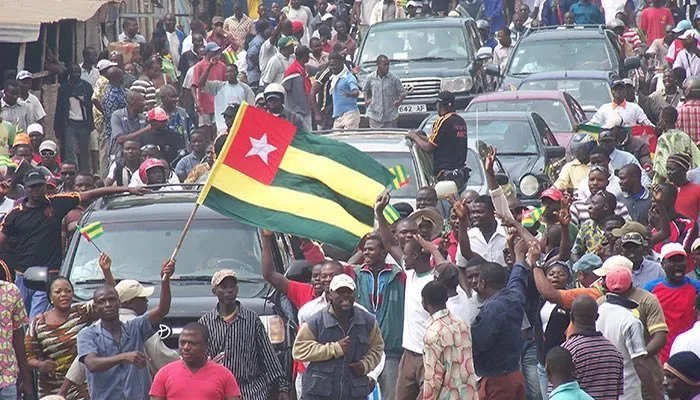
The protests erupted in the capital city Lomé, where hundreds of protesters built barricades, burned tires, and even faced off against security forces in calls for change. These protests over constitutional reforms, among other frustrations including economic hardship, represent a pivotal moment for the future of Togo’s democracy.
The Spark of Unrest: Constitutional Reforms and Indefinite Rule
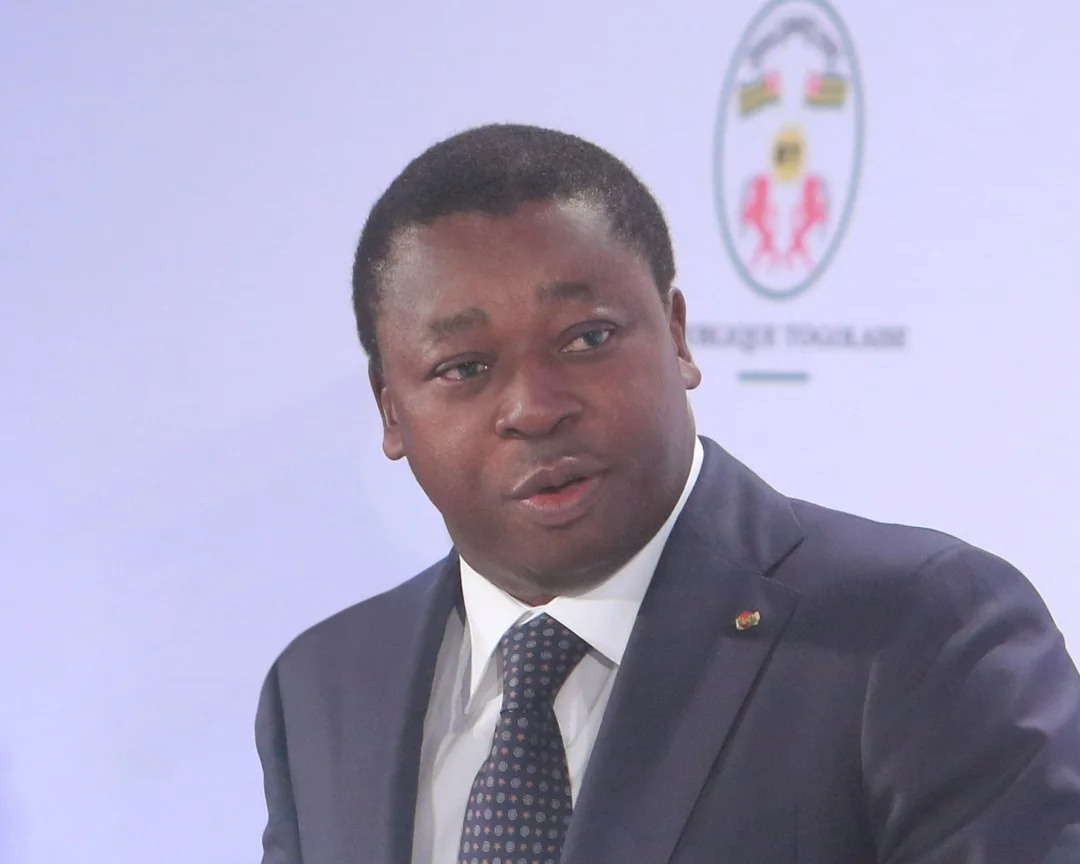
The most immediate reason for the current round of protests is President Faure Gnassingbé taking on the position of President of the Council of Ministers, which has no formal term limit. Gnassingbé’s new title came two decades after he became president of Togo, and a number of opposition and civil society groups condemned the move as a “constitutional coup” enacted to solidify the Gnassingbé family’s hold on office. The Gnassingbé family has ruled Togo continuously now since 1967, and critics argue that the latest constitutional reform will allow the president to establish an indefinite term.
Escalating Protests and Police Response
Starting on June 26, 2025, protesters in Togo have been demonstrating across Lomé, demanding the resignation of president Faure Gnassingbé, in areas predominantly supportive to the opposition (most notably the Bè district). Protesters have used concrete blocks and burning barricades to close major streets, leading to confrontation with security forces.
Police used tear gas and batons to disperse protesters, while a large-scale presence led to mass arrests. Troops have reportedly been deployed in military vehicles, and the police presence has led many businesses to close.
The confrontations have produced reports of violence, injuries, and even allegations of police violence against protesters. Recent reports from Amnesty International noted the arrest and alleged torture of dozens of protesters in recent weeks.
The escalating violence has only served to fuel anger in the public and increase concerns abroad. However, the crackdown does not seem to have diminished the resolve of the demonstrators, some of whom have indicated plans for future protests until their demands are met.
Voices from the Streets: Frustration and Hope
Out of the chaos have emerged the voices of ordinary Togolese citizens with great testimony to their frustration and desire for change. “We are starving. Nothing is working for the youth of Togo anymore. That is why we are protesting this morning,” said a 30-year-old protester without job and money as he signaled the economic despair that is the backdrop to the mass protest. Many of the Togo protests have been tied to the increased cost of living, high levels of unemployment, lack of economic opportunities for youth, as well as various economic grievances.
Many civil society organizations, including a coalition called “Hands Off My Constitution”, also call for the immediate and unconditional release of political prisoners, and urgent action to restore purchasing power to the population. Their demands were echoed by social media activists and bloggers, who have been crucial for supporting and promoting the demonstrations.
Regional Context and Global Concern
Togo’s political crisis is unfolding against a backdrop of regional instability as neighboring countries also deal with coups–and challenges to democracy. The West African regional bloc ECOWAS has condemned Gnassingbé’s government for suppressing dissent, but has taken little meaningful or substantive action. The international community, including human rights organizations, are watching from afar and therefore continue to call for security forces’ restraint and government-opposition dialogue.
Uncertainty and Resilience
The future of Togo remains uncertain even as protesters demanding the president’s resignation persist in confronting gas attacks and batons. This has left the government warning that anyone disseminating ‘false information’ or disturbing the peace would face ‘the full force of the law,’ but protesters appear unmoved; to Togo political protests are unusual and rare occurrences due to strict bans set forth in 2022. However, Togo will undoubtedly be a regular occurrence moving forward.
For the people of Togo, the ongoing protests are not simply a response to constitutional reforms— they are a resounding call for dignity, opportunities, and true democracy. Togo protesters asking for president’s resignation are rising against years of settled power, economic hardship, and political repression.
Their bravery and tenacity have captivated the world in a clear way, and their outcome both for Togo and its region will be monumental. At this turning point in Togolese history, hope for a more peaceful and equitable march towards its future remains alive in the hearts of its people.