As New Yorkers prepare to head to the polling places for one of the most aspirational mayoral races in recent memory, the latest data shows a more competitive race with a real impact upon the city’s future.
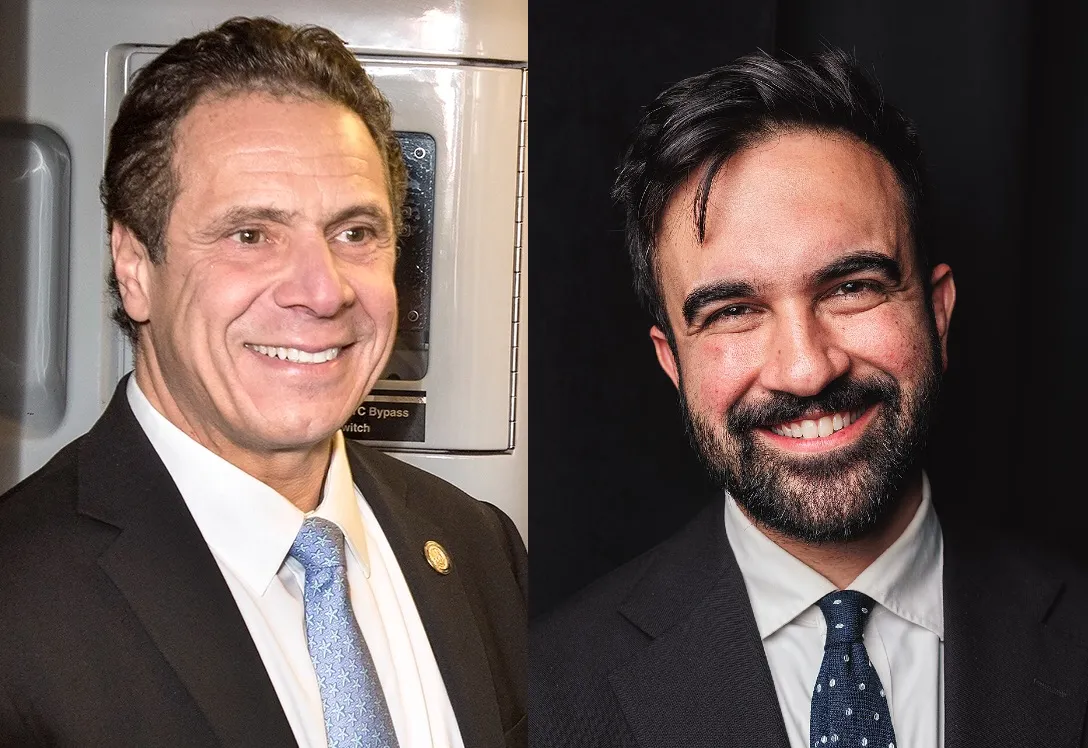
The simple headline “NYC primary election: Cuomo leads with 38% while Mamdani climbs to 27%—NYC mayoral primary tightens with 11% undecided” reflects the rapidly changing mood of voters in this contest, where every ballot will matter.
A Spike in Early Voting and a Large Field
The 2025 New York City mayoral primary has already shattered early-voting records, with over 385,000 New Yorkers voting before Election Day. This uptick indicates a greater level of civic engagement and desire for change from New Yorkers looking to direct the city after a prolonged process of recovering from the pandemic and ongoing issues. There are 11 candidates currently on the ballot, with more expected to come, but in actual terms, the race has largely become a two-person race between former Governor Andrew Cuomo and State Assemblymember Zohran Mamdani.
Polling Trends and the Rise of Mamdani
Polls provide a snapshot of a race in a state of flux. According to the most recent poll, a Yale/YouGov poll released on the eve of the primary, Cuomo led in the first round of ranking with 38% of likely Democratic voters supporting Cuomo, while 27% of Democratic voters supported Mamdani. With 11% of voters undecided on the first ballot, Mamdani is close enough, and given the 11% undecided vote, he (or anyone for that matter) could be the first choice with the last push in the final hours.
Mamdani’s campaign has experienced an amazing resurgence of support in the past few months. From a low single-digit in the early polls, Mamdani has soared to 27% in the most recent YouGov poll and as high as 32% in other polls, showing growing excitement amongst progressive voters and younger New Yorkers more broadly. Cuomo has been static in the race overall, but while he is correctly enjoying a solid advantage, that advantage has decreased as Mamdani has increased his support.
Ranked-Choice Voting and Victory in a New Voting System
In the NYC mayoral primary, there is ranked-choice voting (RCV), which allows voters to rank up to five candidates in order of preference. This makes the race that much more complicated and unpredictable. While Cuomo is leading in first-choice votes measured, Mamdani is positioned to rapidly gain support as lower-tier candidates are knocked out and their voters transfer their votes to a candidate of their choice.
Emerson College’s most recent poll, for example, shows Cuomo at 35% and Mamdani at 32% in the first round, but Mamdani actually beats Cuomo in the final round of the RCV simulation, finishing at 52% to Cuomo’s 48%. This situation highlights the importance of second and third preferences and shows how voters may change their minds late in the race.
Key Issues and Voter Concerns
The tightening race reflects a city dealing with many pressing issues, including public safety, affordable housing, economic recovery, and climate resilience. Cuomo has portrayed himself as a veteran leader who can bring competence and stability back to City Hall, while Mamdani has excited progressives with his ambitious agenda for social and economic justice.
Both candidates are under scrutiny. Cuomo is facing fallout over his resignation from the governorship under contentious circumstances. Mamdani has less experience in public office and has made some unfortunate remarks regarding incendiary issues. The undecided voter numbers are also high, which indicates many New Yorkers are still considering their options. With the end of the campaign approaching, the last few hours will obviously be pivotal.
What’s Next?
Polls close at 9 p.m. and the results won’t be out until at least July 1 due to the ranked-choice voting, so we still don’t know the potential outcomes of the race. New Yorkers have to call the city Board of Elections to receive some preliminary results. Otherwise, it could be days, weeks, or longer until final results are given to determine the winner as they process the ballots and all the iterations created by this ranked-choice voting.
The “NYC primary election: Cuomo leads with 38% while Mamdani is up to 27%—NYC mayoral primary tightens with 11% undecided” demonstrates the unpredictability of New York City politics. Therefore, voters will still choose their candidates, before the ranked-choice process concludes, New York City is likely on the brink of a historic outcome that will set its course for years to come. Whatever the outcome of the election and whether it is based around the candidate Cuomo’s extensive knowledge and experience or surrounding Mamdani’s emerging momentum, one thing is clear: every vote counts in this contentious and important race.