Presidents Day in the United States is officially a celebration of George Washington’s birthday, but over time it has evolved into a broader, mid‑winter pause that many Americans use to reflect on the presidency itself, and to enjoy a three‑day weekend of retail sales and travel. In 2026, the holiday falls on Monday, February 16, closing most federal offices and many banks while schools and businesses decide individually whether to stay open.
What is Presidents Day, officially?
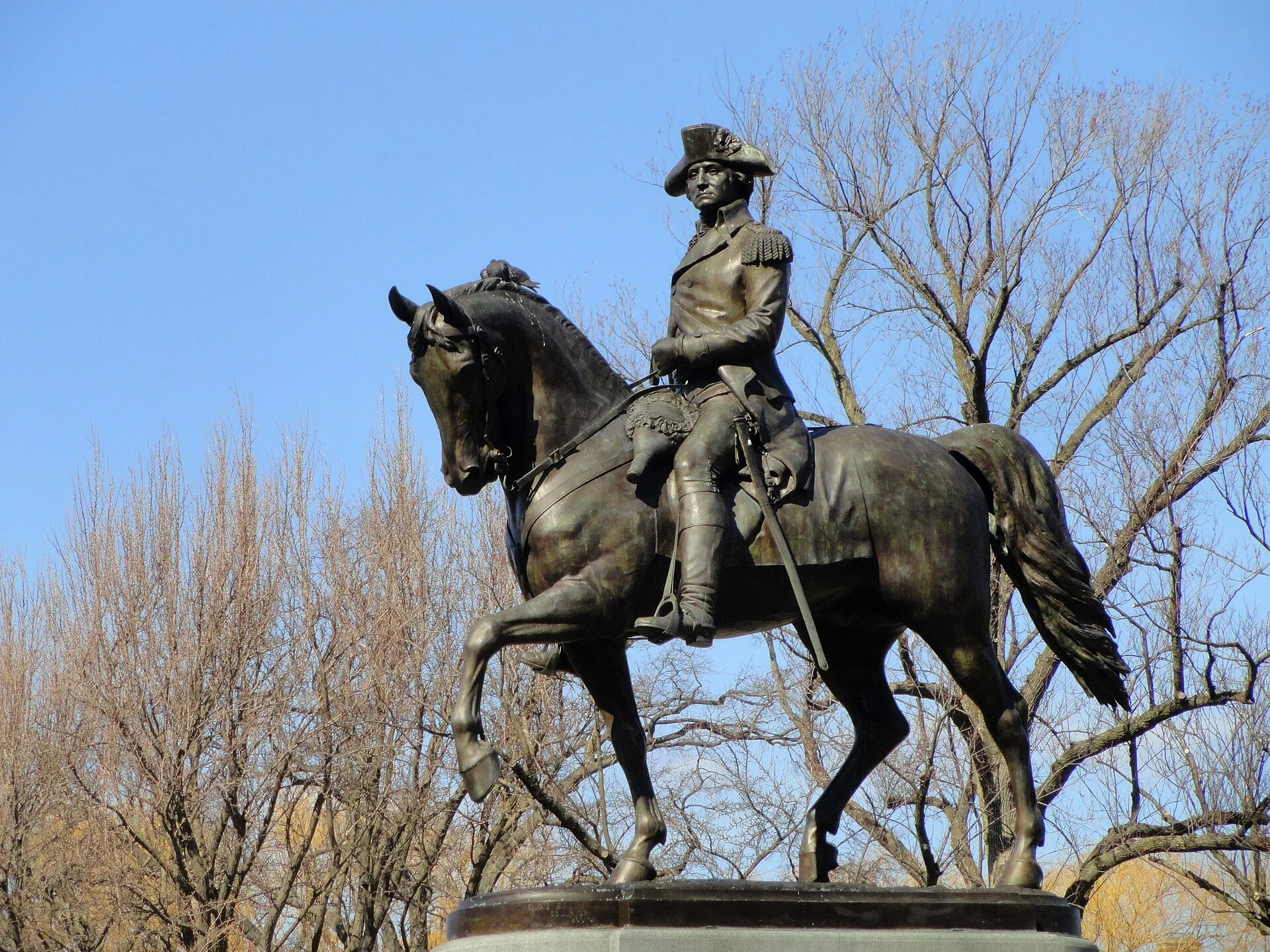
At the federal level, there is no holiday called “Presidents Day.” The US government still recognizes the third Monday in February as Washington’s Birthday, a national holiday honoring the first president, George Washington.
According to the Encyclopaedia Britannica and the National Archives:
- Washington’s Birthday became a federal holiday in 1879, initially observed on February 22, Washington’s actual birth date.
- In everyday use, the day is now widely known as Presidents Day and “is often celebrated to honor all those who served as presidents of the United States,” even though Congress has never formally changed the name.
Newsweek notes that the informal name has taken hold on calendars, in advertising and even in some state and local government notices, reflecting how public understanding of the day has shifted from a single figure to the wider history of the presidency.
GovInfo, an official federal portal, describes the occasion as “recognizing George Washington’s Birthday and honoring the history of the American Presidency.”
When is Presidents Day, and why is it on a Monday?
By law, Washington’s Birthday is celebrated on the third Monday of February each year. In 2026, that date is Monday, February 16, creating a three‑day weekend for many workers.
This Monday timing is the product of the Uniform Monday Holiday Act, passed by Congress in 1968 and taking effect in 1971. That law moved several federal holidays, including Washington’s Birthday, Memorial Day, and Veterans Day, from fixed calendar dates to Mondays.
The aim, as USA TODAY and archival records from the American Presidency Project explain, was to:
- Reduce disruptions from mid‑week closures of federal offices.
- Create more predictable three‑day weekends, which President Lyndon B. Johnson argued would let Americans “travel farther and see more of this beautiful land of ours.”
An early draft of the law would have renamed Washington’s Birthday as “Presidents’ Day” to jointly honor Washington and Abraham Lincoln (born February 12). That renaming proposal failed in committee, so the statute kept the title “Washington’s Birthday” even as the date was shifted to a Monday between the two birthdays.
Timeanddate.com’s holiday calendar reflects how the pattern now works in practice, listing the third Monday in February as the federal Presidents’ Day/President’s Day date through 2030.
Is it a real federal holiday, and what closes?
Yes. Washington’s Birthday / Presidents Day is one of the 11 federal holidays recognized by US law. That status has two main effects:
- Federal government: Most federal offices, including courts and agencies, are closed. The US Postal Service does not deliver regular mail.
- Banks: Many major banks follow the federal schedule and close their branches on Presidents Day, though online services remain available.
For everyone else, it depends:
- Schools: Some public-school districts close for the day or fold it into a mid‑winter break; others remain open and use the day for lessons on US history.
- Businesses and stores: Retailers generally stay open, and many run Presidents Day sales on cars, furniture, and appliances, a commercial tradition that has become one of the holiday’s most visible features.
USA TODAY’s 2026 rundown puts it simply: government employees and some private‑sector workers get a winter Monday off, while most of the consumer economy treats the day as a peak shopping opportunity.
Why do people say it honors all presidents?
Over the past half‑century, practice has pulled away from the letter of the law.
As Newsweek summarizes, “although Congress has never formally sanctioned the name change, it has become widely embraced by the public as a way to honor all U.S. presidents.” The National Archives notes that “Presidents Day” is widely used on calendars and in marketing, even by government entities.
Several factors helped drive that shift:
- The proposed but rejected renaming in 1968, which linked the date conceptually to both Washington and Lincoln.
- State practices: some states specifically style the day as “Washington and Lincoln Day,” “Presidents’ Day,” or “George Washington Day,” reinforcing a broader interpretation.
- Commercial adoption: retailers and advertisers seized on the more inclusive term “Presidents Day,” which sounded less tied to a single person and more like a general national celebration.
Today, Britannica observes, the day is “sometimes understood as a celebration of the birthdays and lives of all U.S. presidents,” even though official federal documents still list “Washington’s Birthday.”
How different states mark the day
While the federal government sets the basic framework, states name and observe the holiday differently, a detail that often confuses visitors. Timeanddate’s schedule illustrates the variety:
- Some states simply label it “Presidents’ Day” or “President’s Day” as a state holiday or legal holiday.
- Others keep “Washington’s Birthday” as the formal name. Connecticut, the District of Columbia, and several other states use that term in official calendars.
- A few combine names, such as “Washington and Lincoln Day,” “Lincoln’s & Washington’s Birthdays (Presidents’ Day),” or “George Washington and Thomas Jefferson’s Birthday,” reflecting local historical priorities.
In practice, however, the long weekend looks similar from coast to coast: lighter traffic in some downtowns, closed government buildings, and storefronts stacked with red‑white‑and‑blue sale signs.
What Presidents Day means in 2026
The modern Presidents Day sits at the crossroads of history, politics, and consumer culture.
On the one hand, it is:
- A reminder of Washington’s personal legacy, his leadership in the Revolutionary War, his role at the Constitutional Convention and his reluctant service as the first president.
- An opportunity, at least in schools and civic events, to talk about how the presidency has evolved, from the early republic through the Civil War, the New Deal, the Cold War and today.
On the other, it has become:
- A symbolic umbrella for reflecting on all presidents, good and bad, and the office itself at a time when trust in institutions is under strain.
- A reliable mid‑February economic jolt as retailers uses the holiday to clear inventory between the winter holidays and spring.
Understanding Presidents Day in 2026 means holding both sides in view: the legal reality that it is still Washington’s Birthday, created in the 19th century to honor a single founder, and the cultural reality that Americans now use it to think, however briefly, about every person who has held the presidency, what they did with that power, and what they left behind.