As the global tensions peaks over the Russia-Ukraine war, President Donald Trump is stepping onto the world stage of diplomacy. Trump is creating a major peace offer to Putin, while possibly signaling a change in Eastern Europe, security alliances, and the international order. With the attention of the world turning to Anchorage before the Alaska Summit set for August 15, 2025, the gamble he is making with this proposal is potentially unimaginable.
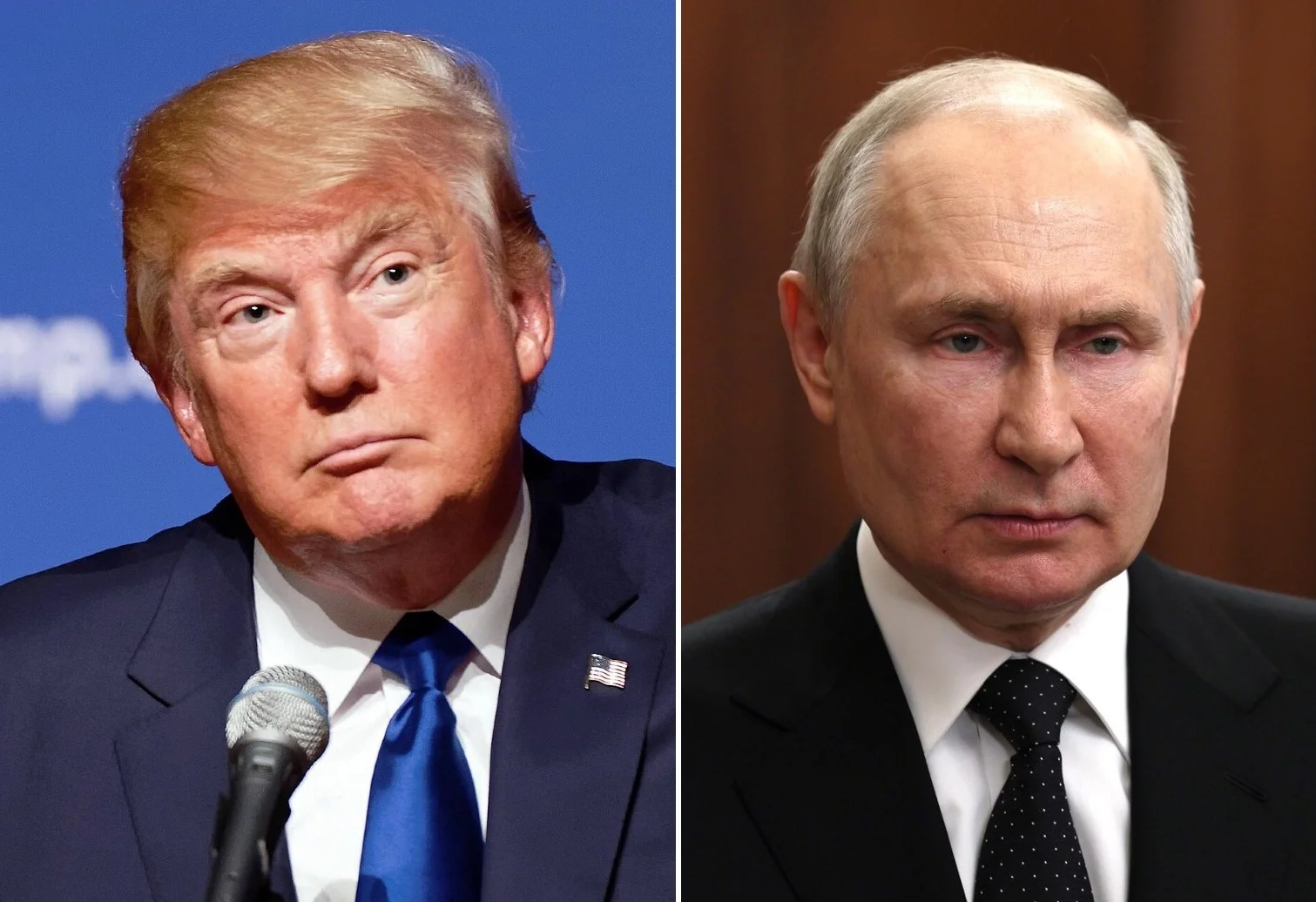
The Alaska Summit: A Diplomatic Crossroads
Trump and Putin’s handshake in Anchorage on April 19 will mark the most substantial Russia-U.S. presidential meeting on U.S. territory since the Cold War. According to ABC News and Al Jazeera, the summit’s purpose is not to iron out an all-encompassing peace accord, but to see whether Putin will agree to an immediate ceasefire in Ukraine – laying the foundation for broader negotiations and eventual resolution.
White House sources have characterized the initial meeting as a “listening exercise”, although Trump has been bedeviled by allies in Europe and Ukraine to guarantee that Kyiv’s sovereignty remain sacrosanct. While previous U.S.-Russia meetings had taken place in third-party countries, the Alaska location is symbolically significant: a place where U.S. resolve, Russian history, and Arctic determination intersect.
What Does Trump’s Peace Offer Entail?
Trump’s peace proposal involves three central components, including a demand for an immediate halt to hostilities. In Trump’s words, as reported by NPR and CNN, the U.S. does not intend to dictate any Ukrainian territorial concessions. Any agreements related to swaps, borders, or sovereignty will rest entirely with Ukraine—affirming President Volodymyr Zelensky’s core position that “talks about us, without us, won’t work.”
In addition to this, the peace proposal proposes:
- To initiate a front-line ceasefire that will freeze troop movements and artillery strikes
- An agreement to bring Ukraine to the table if there are discussions regarding territorial negotiations
- International monitoring measures to ensure compliance and transparency.
- A commitment to a second trilateral meeting, – with Trump, Putin, and Zelensky, if the initial ceasefire is agreed to.
Trump noted leading up to the meeting, “There’s a very good chance we will have a second meeting after this one – and it will be more productive than the first one – because the first one is to find out what we are doing and where we are.” The White House states that the Alaska meeting will not be an opportunity for back-door deals, but a chance to open channels towards a genuine, inclusive process of peace.
Challenges and Disputes: Land Swaps and Security
The objections to Putin’s ultimatum of formally recognizing Crimea as Russian, pulling out of occupied Donetsk and Luhansk, and giving up more territory remain problematic for the summit. European leaders, such as French President Emmanuel Macron, and German Chancellor Friedrich Merz, have cautioned against any peace framework that requires Ukrainian acceptance of ceding sovereign territory in exchange for a ceasefire.
Zelensky, supported by a coalition of EU leaders, maintains his refusal to compromise on territorial issues, seeking strong security guarantees, international troops, and phased demilitarization of Russian-occupied areas. The “land swaps for peace” discussion is possibly the most divisive topic of all at the summit, with different stakeholders grappling over their views of what constitutes fair settlement, and lasting peace and stability.
Reactions to the International Scene: Hopeful but Cautious
- Ukraine and EU: Zelensky’s administration welcomes direct engagement but fears they will be excluded from negotiations that potentially undermine national interests. EU officials maintain that Ukrainian participation is non-negotiable.
- US Allies: The White House is clear on the summit held in Alaska, according to reports by Reuters and ABC news. Their goal is not to achieve peace outright, but to discern whether Russia is employing diplomatic talk as a stalling tactic, set the tone for the round table negotiations, and prepare for enforcement action if both Russia and Ukraine don’t engage in good faith.
- Russia: Kremlin-controlled media discuss the potential summit in Alaska as a chance for Putin to “shape U.S. policy and slow down the escalation of sanctions.” However, Russian analysts state since the U.S. is leading the push regarding a ceasefire, unless there is a territorial deal with Ukraine, accepting U.S. proposals will be difficult.
Repercussions: If Talks Do Not Proceed
As Trump said, if Putin don’t accept the proposal and won’t agree to a ceasefire, Trump will apply “very severe consequences,” which could include applying sanctions or tariffs on exports from Russia and increasing pressure on bilateral arrangements with other countries one to one with Moscow. It not reaching an agreement can harden the divisions and further impact Russia, Ukraine, and broader energy markets, economically.
Conversely, even limited progress can lead to a second trilateral summit and the possibility of new forms of cooperation to provide humanitarian assistance, postwar reconstruction, and security guarantees in the future with Russia and the West.
What Will Follow?
Following the summit, Trump promises he will brief Zelensky and EU leaders within minutes emphasizing his desire for transparency and accountability. Analysts pointed out that while the Alaska Summit may not produce immediate breakthroughs, the effects of the Alaska Summit will reverberate throughout global markets, military operational pressure, and possibilities for a ceasefire in Ukraine.
An Important Diplomatic Challenge
With Planning for the summit in Alaska and tensions rising, Trump prepares a major peace offer to Putin, while he is sitting with many in attendance who could propose some change or escalation. The test for U.S. diplomacy and leadership is not only to stop the violence, but to respect Ukraine’s sovereignty, allied interests, and develop a situation where some productive dialogue may still take place amidst, and on the backdrop of challenging geopolitics.
As the summit takes place, every movement, word, and outcome will establish the parameters for peace and continued stability over and above the Bering Strait.