
(LONDON – Oct 2025) Sarah Mullally is now the Archbishop of Canterbury, and it is one of the most significant moments in the Church of England’s history. Mullally has been a leading advocate for women’s rights in the church and is a nurse by training. She is now responsible for the spiritual leadership of 85 million Anglicans around the world.
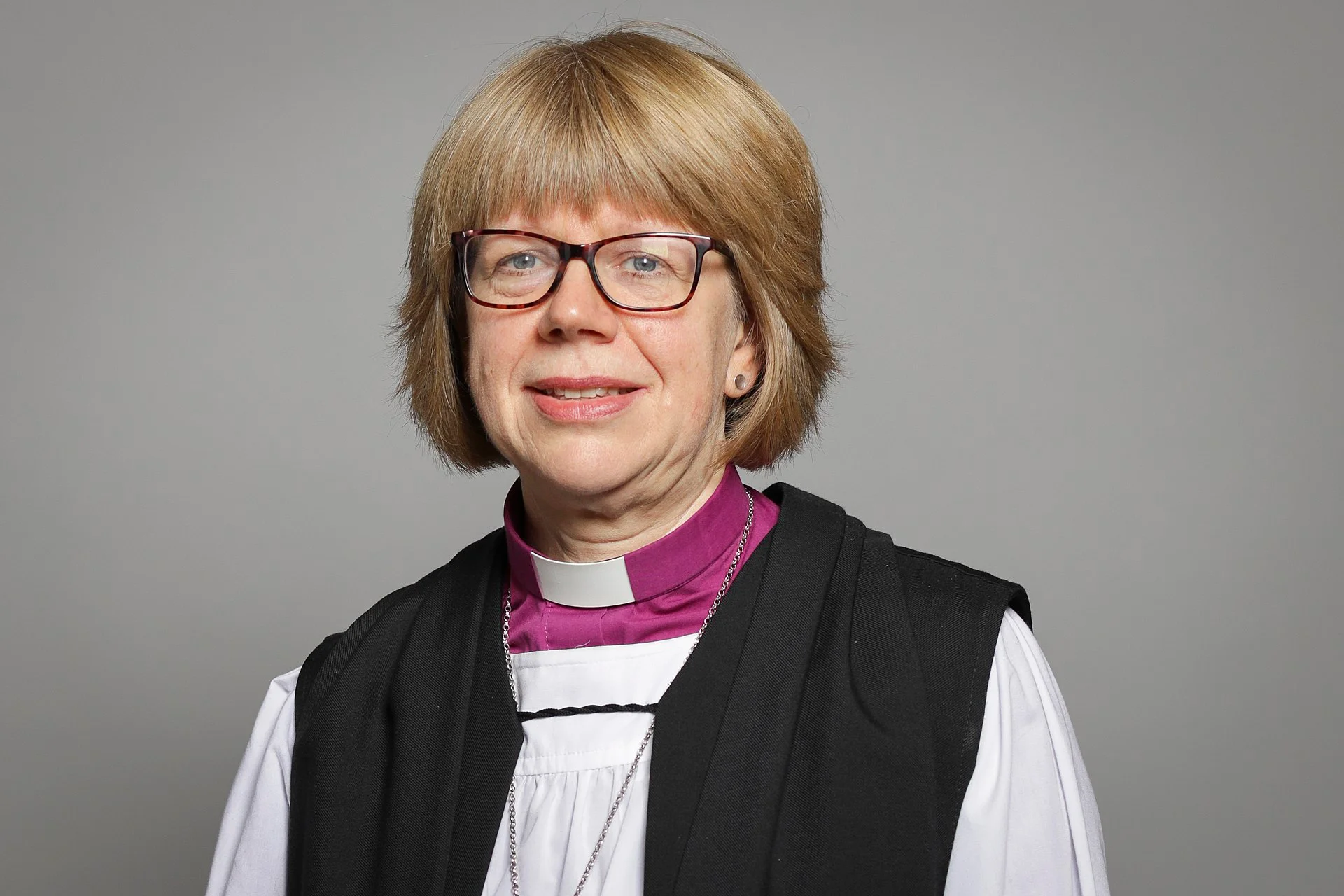
No woman has had this privilege in the 1,400-year history of the church. For Mullally to take on this role not only breaks ecclesiastical tradition, but it also foreshadows changes for gender, tradition, and progression in the Anglican Communion and the global faith community.
Breaking a Millennial Precedent
Since its founding in 597 AD by Augustine of Canterbury, it has been one of the most effective offices held by men for more than 1,400 years. Mullally, following the canonical election and enthronement at Canterbury Cathedral in spring 2026, will mark the end of 105 male predecessors. The Archbishop of Canterbury is not simply responsible for the symbolic representation of British spirituality and public life; it is the office of the worldwide Anglican Communion, which in turn spans continents and cultures.
As confirmed by Prime Minister Keir Starmer, who received confirmation of King Charles III’s approval, Mullally makes history, describing it as “a major milestone for the nation’s life” and congratulating her for her “courage, wisdom, and integrity” as the church faces its own struggles of declining attendance, demographic changes, and reconciling often times contradictory traditions with current values and inclusion.
Sarah Mullally: From Nurse to Primate
Mullally’s professional life began nowhere near the eaves of the nation’s oldest cathedrals. Before being ordained, Mullally had worked as a cancer nurse and eventually became the Chief Nursing Officer for England—the youngest person appointed to it at just 37 years old. Before she turned to ministry, Mullally was made a Dame Commander of the British Empire for her work in public health.
Mullally’s entry into the church’s leadership structure has been history making and swift. After being ordained as a priest in 2002, Mullally worked her way upward through appointments as the Team Rector of Christ Church Sutton and Canon at Salisbury Cathedral. In 2018 she made history as the first woman to the bishopric of London— the third highest office in the church. Mullally distinguished herself in health and ministry by listening deeply to patients, parishioners, and colleagues.
Mullally Takes Over for Justin Welby.
Mullally replaces Justin Welby, who resigned in November 2024 after an independent report found failures in addressing allegations of sexual abuse related to church leadership. Welby saw many historic events as Archbishop including the funeral of Queen Elizabeth II and the coronation of King Charles III, yet he also was caught in the middle of friction within the church over safeguarding, sexuality, and inclusion.
Mullally’s clinical background and her nurse’s sensibilities may bring to the position an empathetic and practical energy. Currently her work in the London diocese and coordinated service during the COVID-19 crisis garnered attention and praise for taking welfare operating procedures and addressing social issues in a contemporary way.
Reform, Controversy, and the Future Ahead
Although the appointment was announced, the criteria for an episcopacy role was not without contention. There was foreboding around appointing women bishops; much of the continued tension brought forth by Mullally’s appointment is the acknowledgment of previous discussions. There remains considerable opposition to the ordination of women across the Anglican Communion, in Africa and Asia by some members of clergy and laity. Mullally’s appointment may offer remittance for some level of reform across national churches, though it is still historic.
The most imposing challenge Mullally faces will be bringing together a divided church. The Anglican Communion has dealt with ongoing disagreements regarding same sex marriage, gender roles, and clerical abuse. Mullally has proposed that church ministers be permitted to bless same-sex couple and has advocated for the representation and dignity of women in church. Mullally is perceived as a bridge and lightning rod for interests in the political ale issues across and within conservative and progressive factions.
A Modern Archbishop for a Changing Church
In her first address Mullally stated: “As I respond to Christ’s call to this new ministry, it is in the same spirit of service that inspired me in undertaking my nursing practice and my journey in Christian ministry. At the core of my vocation is the ministry of listening, bringing people together, and seeking hope and healing.”
Mullally will now assist in the leadership of the Church’s focus on revitalizing engagement, particularly with younger generations, as well as the Church’s overall financial sustainability. She promised that she will ensure that the church “continues to grow in confidence in the Gospel” and “shapes its decisions and actions to reflect the love of Christ.” Bishop Stephen Cottrell, Archbishop of York, praised Mullally’s “huge courage, wisdom, and experience” and stated he “looks forward to serving alongside her to assist the Church of England in being simpler, bolder, and humbler.”
National and Global Reaction
The responses from across the UK and the Anglican world have been overwhelmingly congratulatory. Political leaders, clergy, and lay activists have all praised this milestone in Mullally’s sense of “a beacon of hope for gender equality in faith” and “a role model for women everywhere struggling to overcome barriers in their vocation.”
Lord Evans, chair of the Crown Nominations Commission, expressed his gratitude to all those engaged with the public consultation which led to the identification of a new archbishop, and he asked to keep Mullally in prayer over the next few months. Bishop Anthony Poggo, Secretary General of the Anglican Communion, encouraged churches globally to “pray for Sarah Mullally as she embarks on this sacred responsibility.”
Historical Significance and Symbolic Impact
Unlike any other, Sarah Mullally’s appointment also has significance beyond the ambit of the church. As the first woman to be the Bishop of London and now the Archbishop of Canterbury, she enters into a role which has influenced the historical narrative of Great Britain, its monarchy, legislature or civil society. For centuries, the Archbishop of Canterbury has coronated kings, ordained bishops and keyed in the national debate about morality and the good of society. In summary Mullally’s leadership, her medical career history, and the complexity and depth of her commitment to social justice represents a pivot for one of the oldest religious appointments in the world.
Challenges and Opportunities
Mullally assumes her role as the church is confronting dwindling attendance, the aftermath of safeguarding scandals, and contentious debates around inclusion. Experts are optimistic that her leadership style, characterized by humility, listening, and taking action in a tangible way, will unite the institution, while simultaneously acknowledging the difficulty of restoring trust in the church to hesitant or unengaged communities of faith.
Whether Mullally can build trust in the gospel, reinvigorate the church’s activity, and reconcile structural inequalities, will define her success. The very meaning of her appointment—”Archbishop of Canterbury Milestone: Sarah Mullally Breaks Through 1,400 Year Wall”—is a testament to how widespread and symbolic the change itself will bring to faithful worldwide and will spark conversations about gender, faith, and tradition in the 21st century.
Sarah Mullally reaching the top position of the Anglican Communion is a breaking of a barrier and an invitation to envision what the future of faith leadership looks like. Her appointment itself serves as a reminder that a new world can accompany ancient traditions, and laws even ones held for 1,400 years can ultimately be broken or redefined.
As Mullally prepares for her ordination, her transition from nurse to primate will stand as a vivid reminder of the possibility of changes a story of vocation, bravery, and hope. Under the precedent-setting leadership of Mullally and her institution, the Church of England and the global Anglican Communion will look to her leadership as they engage challenges old and new, and work toward healing, reconciliation, and renewal.