
Automotive mechanics don’t need to just understand the demands of a car’s engine. They also need to work with the electrical systems that power modern cars.
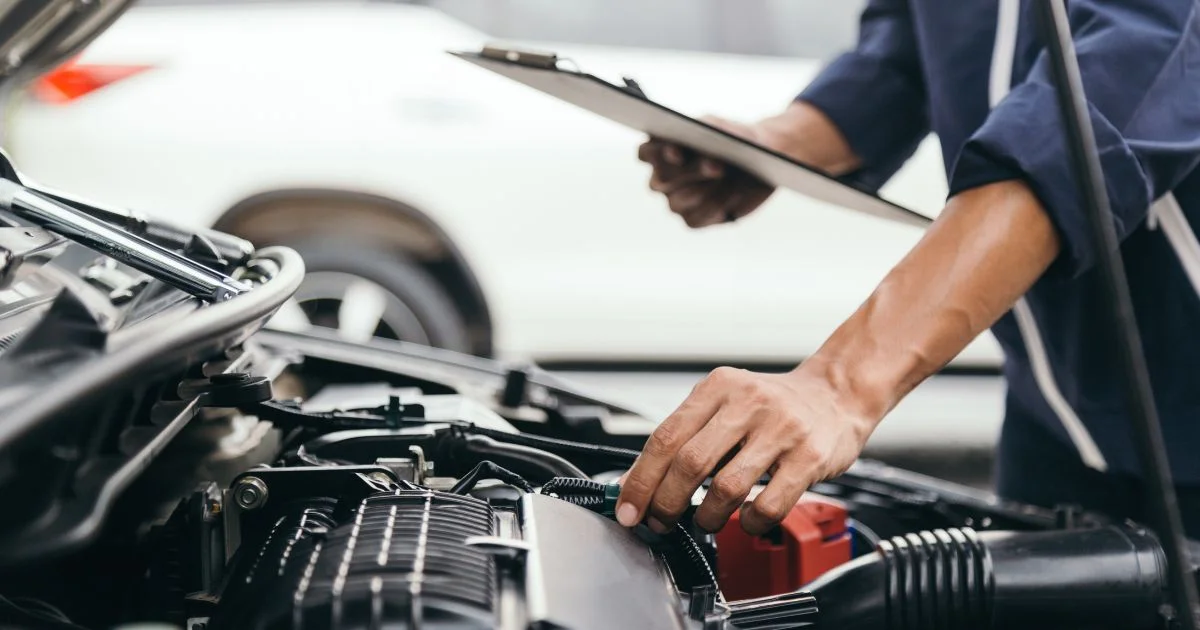
The landscape of car repair is evolving faster than ever. With vehicles becoming more technologically advanced, mechanics must adapt to stay relevant and effective in their field. Car mechanics need to know electrical best practices because electrical systems underpin so many aspects of modern vehicles that a lack of understanding will leave a gap in their skill sets.
If you’re wondering how electrical knowledge fits into the toolkit of a mechanic, this blog will explore its importance. From diagnosing issues to maintaining high standards, mastering electrical skills is an essential step in modern auto repair.
The Fusion of Electrical and Mechanical Systems
Cars today are more than engines and wheels; they’re computers on wheels. Electrical systems oversee essential functions like braking, fuel injection, and temperature control. This integration means auto mechanics can no longer focus on mechanical components alone. They must actively engage with electrical systems to repair issues and ensure vehicles run smoothly.
Take, for example, a failing alternator. Diagnosing and fixing the issue requires an understanding of voltage regulation, circuit continuity, and more. Without this foundational electrical knowledge, even entry-level repairs can become daunting.
Diagnostic Tools Demand Electrical Expertise
Modern vehicles often rely on advanced onboard diagnostic systems. A mechanic armed with a scan tool can quickly check for faults, but interpreting data requires electrical know-how. Without it, you’re left guessing.
When troubleshooting a misfiring engine or a non-functional sensor, mechanics must understand the electrical pathways causing the malfunction. Building proficiency with such tools not only saves time but also reinforces reputation in the highly competitive auto repair business.
Ensuring Safe and Reliable Repairs
Working with electrical systems requires attention to both functionality and safety. Faulty wiring, poor connections, or improper repairs can cause more harm. Mechanics must follow proper protocols to prevent risks such as electrical fires or system failures.
For instance, the ability to use the correct termination methods for 6-cavity connectorsand other essential components is crucial. Mistakes here can lead to intermittent faults or complete system shutdowns. A solid grasp of electrical best practices ensures repairs meet industry safety and reliability standards.
Expanding Career Opportunities
Knowledge of electrical systems greatly enhances career prospects for mechanics. Specializing in hybrid or electric vehicles, for instance, opens doors to lucrative roles as the demand for specialized technicians grows. Learning electrical best practices also equips mechanics to handle future tech trends, like autonomous vehicles, which heavily depend on seamless electrical integration.
Beyond job security, mastering electrical skills enables mechanics to take on more complex tasks. This diversity in offerings can attract more customers, setting you apart in a competitive market.
The Bottom Line
The complexity of modern vehicles demands that today’s mechanics elevate their skills to include electrical expertise. Why car mechanics need to know electrical best practices is an unavoidable reality for anyone serious about auto repair. It’s not just about understanding systems—it’s necessary to master the tools, principles, and safety precautions that align with modern automotive demands. Integrating this knowledge creates safer and more effective solutions, reduces liability, and positions mechanics as trusted professionals. By continuing to broaden their skill sets, mechanics can secure their place in a tech-forward industry and better serve their customers for years to come.