
Samsung will shut down its long‑running Messages app in July 2026 and push Galaxy users onto Google Messages by default, ending years of overlap between the two text‑and‑chat clients and cementing Google’s software at the heart of Android’s messaging stack. The move, announced quietly on Samsung’s U.S. support site and echoed by regional subsidiaries, affects most Galaxy phones on Android 12 and above as well as some Tizen‑based smartwatches, and is being framed as a necessary step to deliver consistent Rich Communication Services (RCS) chats, including with iPhones running iOS 18.
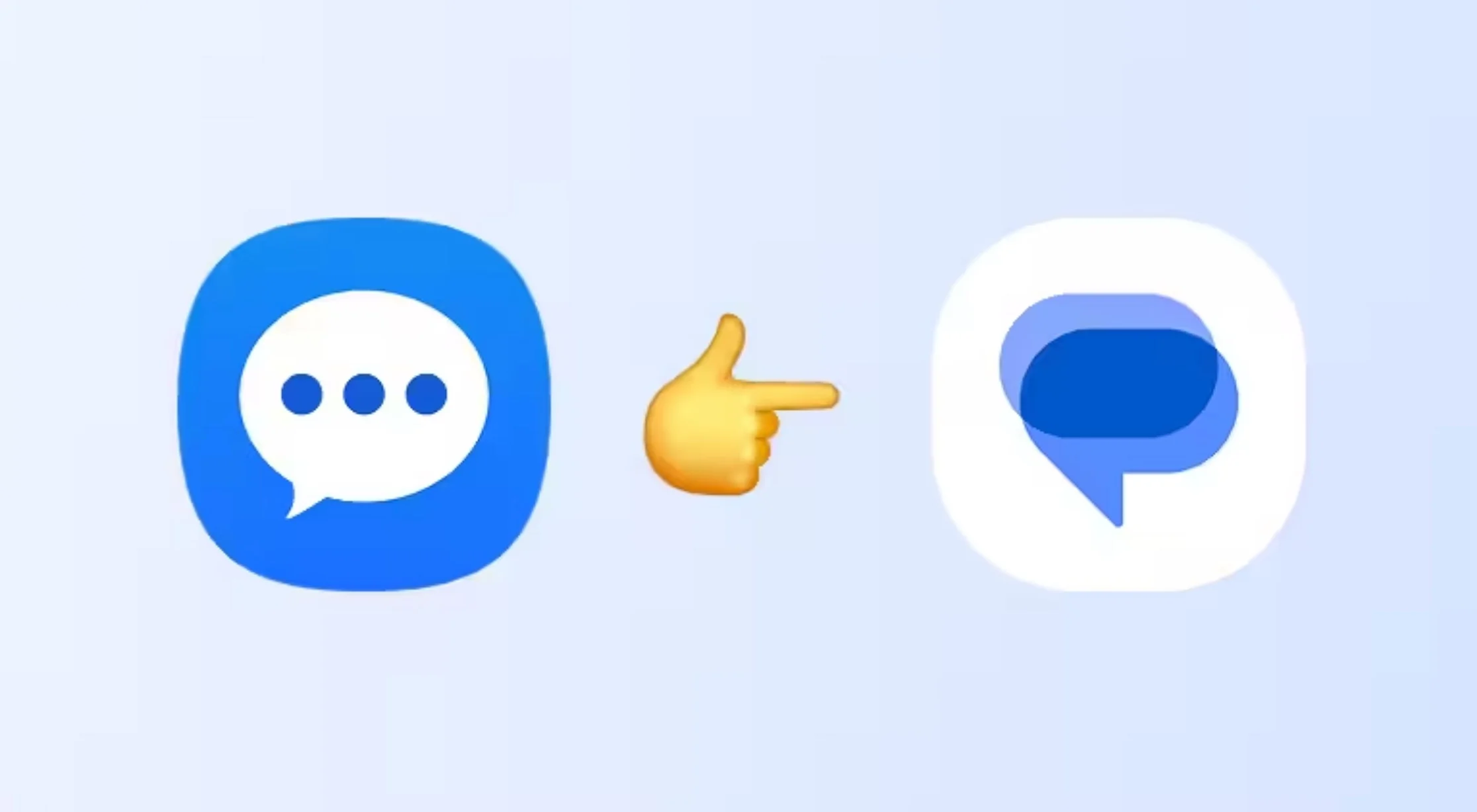
End of the line for Samsung Messages
Samsung’s notice, titled “Upgrade your messaging experience,” spells out the core change in unemotional terms: “The Samsung Messages application will be discontinued in July 2026. Upgrade to Google Messages as your default messaging app today to maintain a consistent messaging experience on Android.” Once the cutoff hits, users will no longer be able to send messages through Samsung Messages “except for emergency service numbers or emergency contacts defined in your device.”
The timing gives users around three months to switch. PhoneArena, which first spotted the support post, notes that “there are roughly 12 weeks left before the app will be gone forever” and that Samsung is already serving in‑app end‑of‑service banners urging people to install Google’s client. On Android 14 and later, Samsung says, the Google Messages icon will automatically jump into the phone’s dock once you make it the default, reinforcing the sense that this is now the “official” messaging route on Galaxy phones.
This is not a bolt from the blue. Samsung has been quietly phasing out its own SMS app for years: in early 2025 the company started shipping the Galaxy S25 family with Google Messages as the out‑of‑box default, and newer devices like the Galaxy S26 already cannot download Samsung Messages from the Galaxy Store. The July cutoff simply removes the fallback for users who never made the jump.
Who is affected, and who isn’t
The end‑of‑service announcement is targeted at Galaxy phones on Android 12 and newer in markets such as the U.S., where Google’s RCS backend is widely available. Samsung’s U.S. support page makes clear that “Samsung devices released before 2022” and those running Android 11 or lower “are not affected by this End of Service,” meaning older models like the Galaxy S9 and Note 9 should continue to run Samsung Messages as before.
Key details from Samsung’s guidance include:
- Post‑July behavior: Samsung Messages remains installed but can only place texts to emergency numbers or pre‑defined emergency contacts. Regular SMS, MMS and RCS conversations must go through another app such as Google Messages.
- Galaxy Store availability: Galaxy S26‑series devices already can’t download Samsung Messages; for all others, the app will disappear from the Galaxy Store after July.
- RCS conversations: For devices released before 2022, switching apps “may temporarily disrupt ongoing RCS conversations.” Chats can resume “if both parties switch to Google Messages.” SMS/MMS will still work in the meantime.
- Wearables: Tizen‑based Galaxy watches will no longer show full conversation history in Samsung Messages once the phone app is discontinued, though users will still be able to read and send individual text messages from the watch.
In short, the shutdown hits most of Samsung’s modern Android base, with older, mostly out‑of‑support phones left on an island where the legacy app simply keeps doing what it does until hardware or OS updates finally retire it.
Why Samsung is handing the keys to Google
Publicly, Samsung is pitching the switch as an upgrade rather than a retreat. The US support page frames Google Messages as the path to “maintain a consistent messaging experience on Android,” and third‑party write‑ups quote Samsung’s earlier explanations: Google’s app offers full RCS features across carriers and platforms, whereas Samsung Messages relies on individual operators’ RCS servers.
By consolidating around Google Messages, Samsung gets:
- Carrier‑independent RCS. Google runs its own RCS infrastructure, meaning read receipts, typing indicators, high‑res media and group chats can work regardless of the user’s mobile network.
- Cross‑platform modern messaging. With Apple adding RCS support in iOS 18, Samsung can promise richer, more reliable chats with iPhone users as long as both sides have RCS enabled.
- AI‑driven features. Samsung’s marketing materials point to Google Messages’ integration with Gemini AI, for smart replies, message summaries and photo remixing, as a differentiator the in‑house app could not match quickly.
- Less duplication. The company has been steadily pruning its catalog of overlapping apps (for email, calendars, notes and more) as it deepens its Android partnership with Google and focuses resources on hardware and One UI.
For Google, it’s a strategic win: the world’s largest Android OEM is effectively endorsing its messaging client as the standard, strengthening Google’s hand in its long‑running effort to rebuild “Android texting” around RCS and its own servers.
How to switch, and what users should know
Samsung and Google are trying to make the migration as frictionless as possible, with step‑by‑step prompts built into the phones.
The basic process, as described on Samsung’s site and in guides from 9to5Google and PhoneArena, is:
1. Install or open Google Messages. On most recent Galaxy devices, it’s preinstalled; otherwise it’s a free download from the Play Store.
2. On first launch, tap the “Set default SMS app” button.
3. In the pop‑up list, select Messages (the white icon with the blue speech bubble), then tap “Set as default.”
4. On Android 14+, the Google Messages icon should move automatically into your dock, replacing Samsung Messages.
Existing SMS and MMS texts stored on the device remain accessible from the new app; RCS‑specific features like typing indicators and read receipts will re‑establish once both sides of a chat thread are in Google Messages with RCS enabled.
For U.S. users, the transition also opens up RCS features that Samsung’s app never consistently delivered: high‑resolution photo and video sharing, better group‑chat behavior and more reliable delivery receipts, irrespective of whether the other person is on AT&T, Verizon, T‑Mobile or a prepaid MVNO.
Privacy and control: one less Samsung app, one more Google feed
While many Galaxy owners have long since moved to Google Messages voluntarily, the announcement has rekindled debates about privacy and platform dependence.
In community threads surfaced by sites like r/samsung, some users noted that Samsung Messages “doesn’t store the content of your messages and you can disable the backups,” whereas Google’s business model is built around processing user data across services, even if the company says it does not use RCS message content for ad targeting. Others pointed out that by abandoning its own RCS implementation, Samsung is putting itself at Google’s mercy: if Google ever changes terms, limits features, or has major outages, Galaxy phones will have no first‑party alternative ready to go.
Those concerns sit alongside a broader consolidation trend. In recent years, Samsung has retired or deprioritized its own browser, email client and voice assistant in favor of closer alignment with Chrome, Gmail, and Google Assistant, even as it continues to differentiate with One UI, Galaxy AI features and integration with Windows PCs. Ending Samsung Messages is the latest, and perhaps most symbolic, step in that realignment.
What the move signals for Android’s messaging future
From a user‑experience perspective, the July cutoff is likely to reduce confusion. Many Galaxy owners have spent years juggling two nearly identical blue‑bubble icons, one from Samsung and one from Google, each with different behaviors depending on the carrier. A single default, especially one that now supports RCS chats with iPhones, should make it easier to explain “how texting works on Android” to less tech‑savvy users.
At the ecosystem level, Samsung’s decision strengthens Google’s vision of RCS as the baseline for rich messaging, with Google itself as the default infrastructure provider. That could help Android present a more unified front against Apple’s iMessage lock‑in, but it also means one company controls the experience for billions of devices.
For now, Samsung is telling Galaxy owners to see the upside: more reliable group chats, better media sharing, AI‑infused features, and fewer redundant apps. But as the sun sets on Samsung Messages this July, the change also crystallizes a deeper truth about today’s smartphone world: even the biggest hardware makers increasingly live inside someone else’s software ecosystem.