
Learn how to install anchors into concrete like a pro for secure and damage-free installation, ensuring a sturdy foundation for your projects.
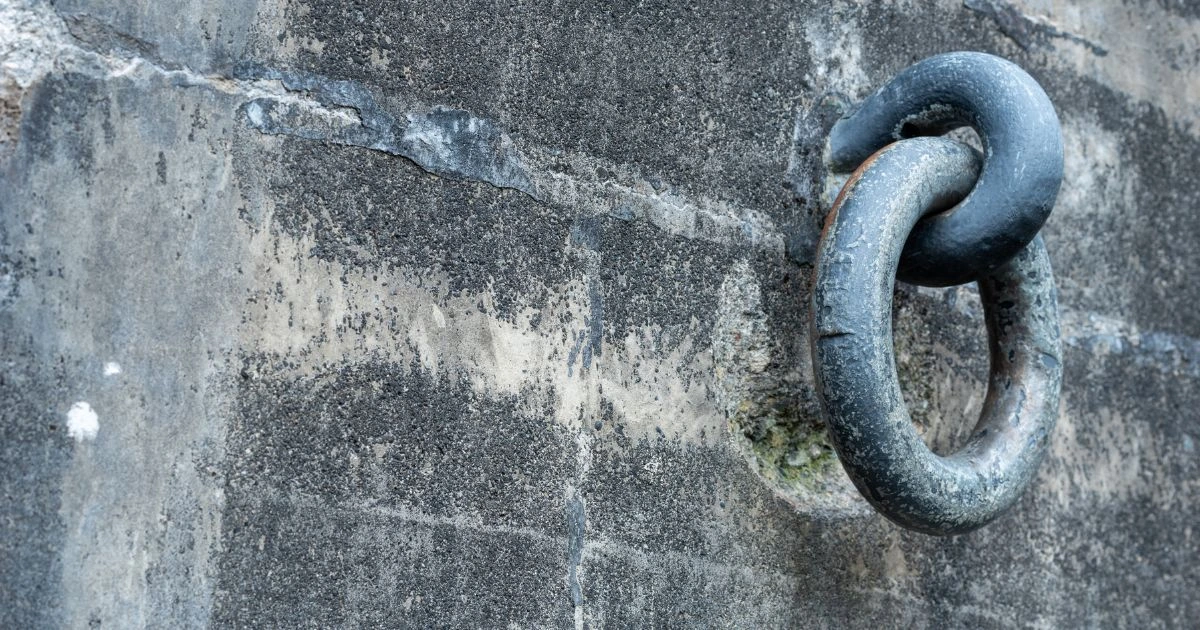
Concrete, regardless of shape or size, can be difficult to work with. It can be bulky and heavy, and its rough texture can seriously wear down your tools. Anchors are essential for securely fastening heavy objects to concrete surfaces, but they can also give you and your machinery a safe, secure grip for easier maneuvering. The question is, how do you install these anchors into the concrete without cracking or damaging the material?
Mark the Drill Points
Start by measuring and marking the positions where you want to install the anchors. Use a measuring tape or ruler to ensure accuracy. Once you’ve determined the locations, use a pencil or marker to mark each point on the concrete surface.
When marking the drill points, consider the weight and size of the object you will be attaching. For heavier objects, it’s important to distribute the anchors evenly to provide adequate support.
Use the Correct Drill Bit
The drill bit you choose should be specifically for drilling into concrete or masonry surfaces. A masonry drill bit, also known as a hammer drill bit, is the ideal choice as it is engineered to withstand the toughness of concrete and provide efficient drilling. When selecting the drill bit, consider the size and type of anchor you will be using. The anchor packaging usually specifies the diameter of the required hole.
Before you start drilling, ensure your drill is set to the appropriate drilling mode, typically the hammer or impact mode. This mode helps to create the necessary impact force required to penetrate the hard concrete surface effectively.
Drill Slowly and Steadily
Applying excessive force or drilling too quickly can lead to overheating of the drill bit, reduced drilling effectiveness, and even potential damage to the concrete surface. When drilling, start at a lower speed setting and gradually increase the speed as needed.
This allows the drill bit to penetrate the concrete gradually without causing unnecessary strain. Maintaining a consistent and controlled drilling speed ensures better accuracy and helps prevent the drill bit from wandering off track.
Clear the Dust and Insert the Anchor
While it may seem like a small, insignificant step, clearing away dust after drilling is critical for installing safe and secure concrete anchors. You can do so by gently blowing into the hole or using a small brush to ensure a clean and debris-free surface, allowing the anchor to fit snugly into the hole, providing maximum stability and strength.
Once the hole is clean, take the anchor and carefully place it into the hole, ensuring it sits flush with the surface. Depending on the type of anchor, you may need to gently tap it into place using a hammer or mallet.
Test the Anchor
When it comes to effective techniques for handling cement, few things are more important than the overall stability of your hold, making it crucial to test your anchor’s strength before fully relying on it to hold your fixture or object. All you have to do is add gentle pressure or a slight pull to check if it holds firm.
If there is any wobbling or looseness, it indicates that the anchor may not be securely set in the hole. In such cases, remove the anchor, clean the hole, and insert a new one. Once it’s secure, you can ensure your fixture or object will be sturdily supported by your anchors.



