
Training for heavy equipment operators should cover safety, controls, and best practices. Unlock the keys to mastering machines and managing your worksite.
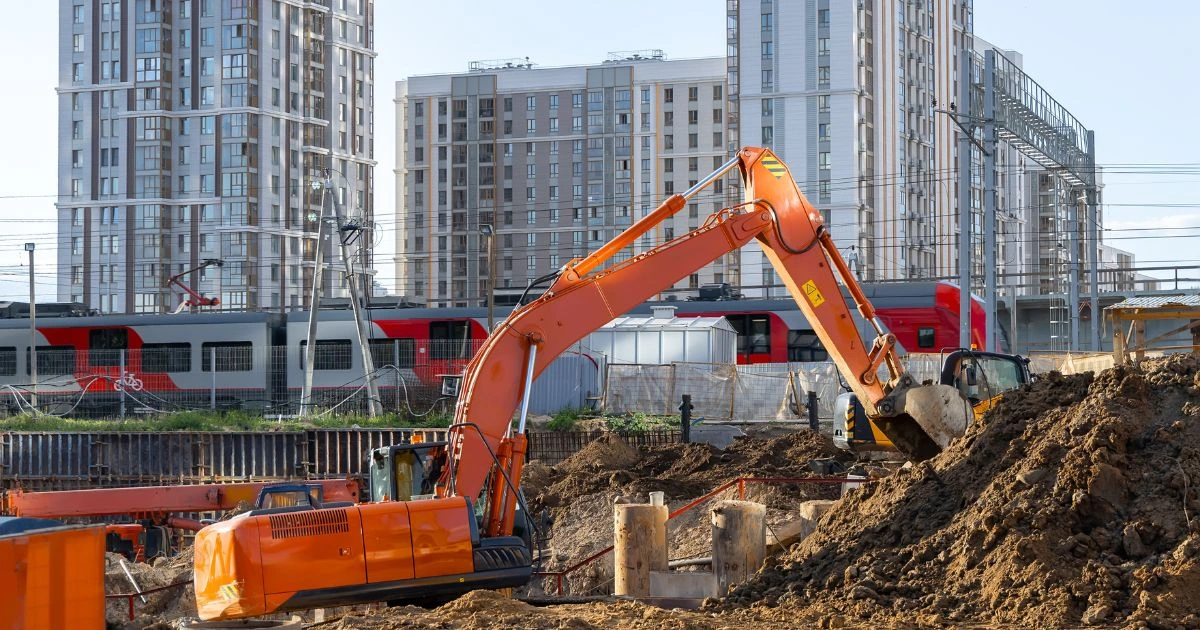
Proper heavy equipment training lays the foundation for safe and efficient industrial work. For aspiring operators, it’s also the key to running machinery like loaders, excavators, and bulldozers with confidence. Understanding what goes into effective operator training equips you with the skills necessary for modern construction, mining, and other industrial sites. Here are some tips on heavy equipment operator training.
Focus on Safety First
Safety is at the heart of heavy equipment operation. Trainees should begin by mastering basic safety principles, such as understanding equipment hazards and following site procedures. Skipping safety training can lead to serious accidents that are avoidable with proper preparation.
Formal training programs typically focus on how to respond to emergencies and minimize risks. Hands-on sessions should also stress good habits, like always checking equipment before use and securing the work site. With a safety-first approach, you build the confidence to make decisions that protect yourself and those around you.
Train With Versatile Equipment
Working with a variety of heavy machines makes for a well-rounded operator. Training should involve exposure to diverse equipment, such as loaders, cranes, and backhoes. This broadens your skill set and prepares you to adapt to different jobs.
Time spent on versatile machines reveals how each type handles under stress. It also helps you understand how to switch efficiently between controls and operating modes. The more exposure you have, the more comfortable and capable you become on any worksite.
Master Equipment Controls
Proficiency with equipment controls is vital for new operators. Training includes identifying levers, switches, and onboard technology specific to each machine model. This technical know-how ensures quick, accurate decision-making in the field.
Beyond their basic controls, many modern machines use smart systems for automated tasks. Effectively using these features improves performance and saves time. When you feel at home with both traditional and advanced controls, you can respond faster to unexpected challenges like shifting terrain or load-balance issues.
Learn Job-Specific Techniques
Different jobs require unique equipment operations, so specialized training matters. For example, clearing debris on an excavation site is very different than operating a crane for precision placement. Understanding the specific demands of your role sharpens your abilities.
Specialist trainers walk learners through job-focused scenarios during sessions. By mastering certain techniques, operators can work more productively while reducing wear and tear on machines.
Build Habits for Maintenance
Maintenance training keeps heavy equipment in peak condition. Operators who understand daily care tasks, like lubrication and inspections, reduce the chance of costly repairs. This is because regular maintenance helps machines perform better and last longer.
Good maintenance training also teaches you to notice early signs of mechanical issues. These lessons not only protect the equipment but also maintain safer job environments.
Understand Load Capacity
Mishandling weight capacity is a common mistake for new operators. Therefore, training should cover safely estimating loads and considering factors like terrain and weather. Overloading, even slightly, can damage both the equipment and the worksite.
Lessons in load management ensure operators work within safe limits. By respecting capacity guidelines, you’ll reduce unnecessary strain on machines, which prolongs the life of heavy equipment. Overall, a detailed understanding of load behavior helps you become a more precise and responsible operator.
Take Your Skills to the Next Level
Heavy equipment operator training builds a strong foundation for safer, more efficient work. These tips provide you with valuable skills that set you up for success. Training never stops, and each experience makes you a better, more responsible heavy machinery handler.