In a prodigious run, that has captured financial markets across the globe, the gold price has reached all-time highs in 2025 – levels which would have seemed unimaginable merely a couple of years ago.
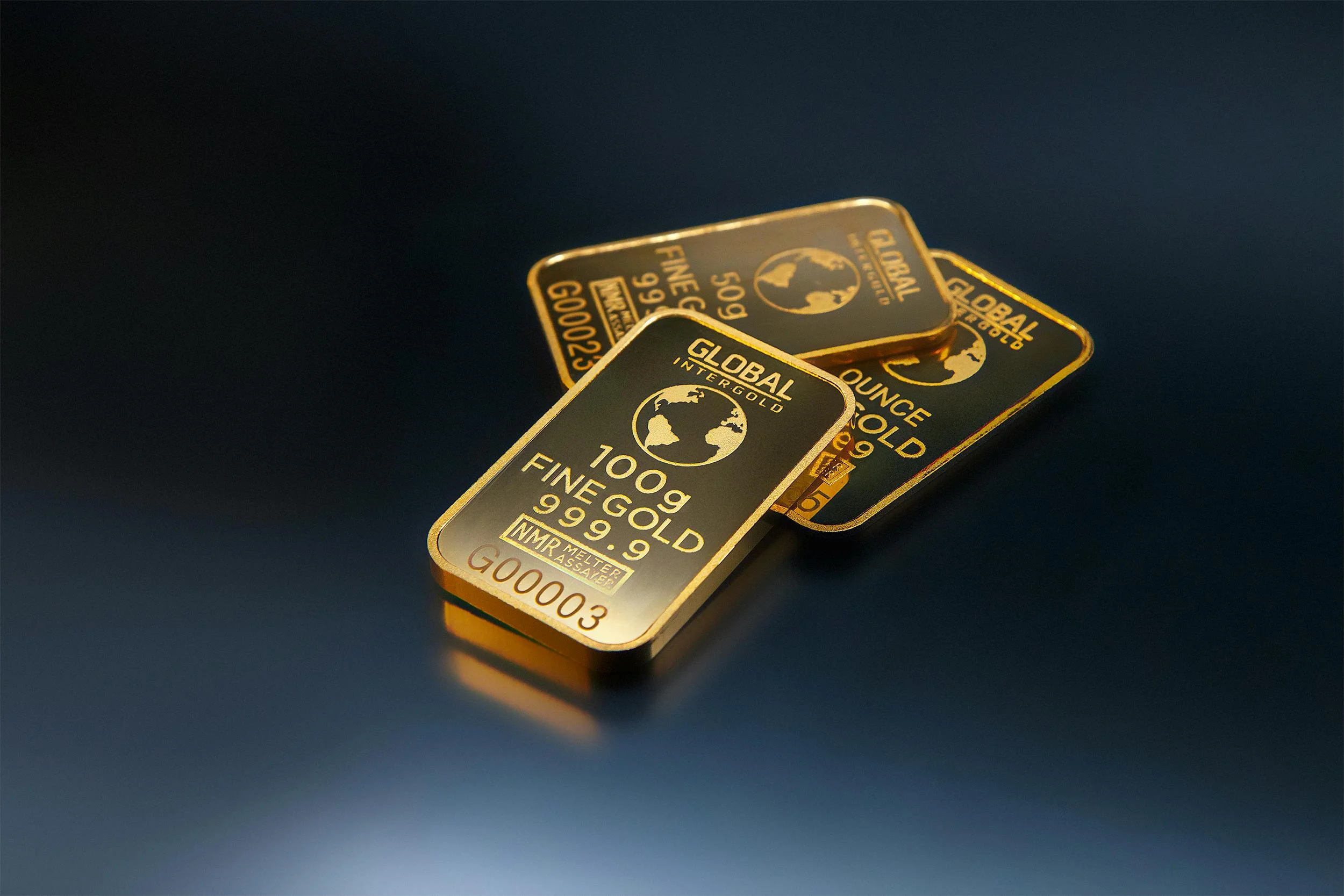
As of June 2025, gold is trading roughly at $3,343 per ounce—slightly below a peak around $3,500 in April—but it is still up staggering amounts; over 60% since early 2024, and almost 200% since 2020.
This phenomenal rally has been driven by an intensely complicated set of economic uncertainty, geopolitical risk, and changing monetary policy, which has produced a large demand for gold across both institutional and retail investors.
An Historic Climb: The Numbers Behind the Rise
The path of gold’s price rise has been nothing short of spectacular. Gold was priced at $1,729 per ounce in June 2020. In June 2025, that price climbed above $3,300, marking a nearly 93% increase over five years. Much of the explosive rise in prices has been in the last 18 months where gold accelerated from $2,063 in January 2024 to the current levels of over $3,300 marking an increase of more than $1,280 per ounce. The record price of $3,500.20 per troy ounce was set in April 2025 and it has moved down somewhat since then but prices are still at historically high levels.
Key Factors Behind Gold’s Rally
Several factors have come together to drive gold higher:
- Geopolitical Instability: The wars and wars of the Middle East, as well as rumors of Israeli attacks on Iranian nuclear facility, fueled a general increase in assets that hedge against turbulence. Investors are now focused on gold as an inflation hedge and precaution against the risk that broad escalation will ensue, throwing economies into chaos on mass.
- Economic Uncertainty and Inflation: Although inflation has been decelerating as of late, previous explains (and company reports of high sales) of inflation are still filed in investors’ minds from 2022, when multi-decade highs were reported and perceived on several measures. Gold is a common hedge against inflation when inflation runs hot, and during this period, there remains interest in gold as a store of value even as inflation has cooled.
- Monetary Policy and Rates: The Fed’s change-to-era on possible rate cuts makes reasons to study precious metals, since the cost of holding bullion is lower with cuts. Last month, the Fed announced its first rate cut since 2020, which backs gold as an excellent investment when yields across most markets are at historic lows.
- Weakness in the US dollar: A weaker dollar has also made gold cheaper for international buyers and greatly drove demand. The US dollar has fallen dramatically leading up to the last two open Fed meetings in anticipation of downgrades to the US credit rating (prior downgrades) as well as ongoing uncertainty on tariffs. There is much panic in the US area alone about escalating gold purchases.
Market Sentiment and Outlook
Market sentiment is still bullish on gold, with analysts predicting price increases. J.P. Morgan Research, for example, has increased their respective price targets, forecasting an average price of $3,675 per ounce in the last quarter of 2025, and indicating that an eventual $4,000 per ounce price may not be out of reach by mid-2026. Strong structural case for gold is based on continuing recession risks, continuing uncertainties about trade and tariffs, and the continuing attractiveness of gold as a safe-haven asset.
Humanizing the Gold Rush: What It Means for Investors
The individual investor, the gold price hitting historic highs creates a double-edged sword for opportunities. Those individual investors who have invested in gold through the last couple of years have received the benefit of considerable capital appreciation in their gold investment and portfolios. However, the new investor may be concerned about investing in gold and other precious metals currently at all-time highs and the potential for a pullback after such a historic boom.
Financial advisors suggest that potential investors think about gold as part of their overall diversified portfolio, especially during periods of uncertainty. Gold’s unique characteristics—tangible, liquid and a historical hedge against inflation and devaluation of currencies—make gold an appealing wealth preservation option.
In 2025, the price of gold has reached unprecedented levels, largely due to a combination of geopolitical, economic, and monetary factors. As markets deal with uncertainty and volatility, the value of gold as a safe-haven asset has become more important than ever. While prices can pull back in the short-term, they are only going to go higher in the long-term.
Market participants are seeing the massive upside potential for gold over the coming months and years. For investors, the historic climb of gold is simply another reminder of the importance of diversifying your portfolio along with the timeless allure of the most-weighed after precious metal.