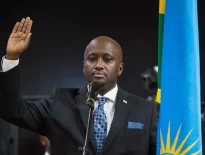
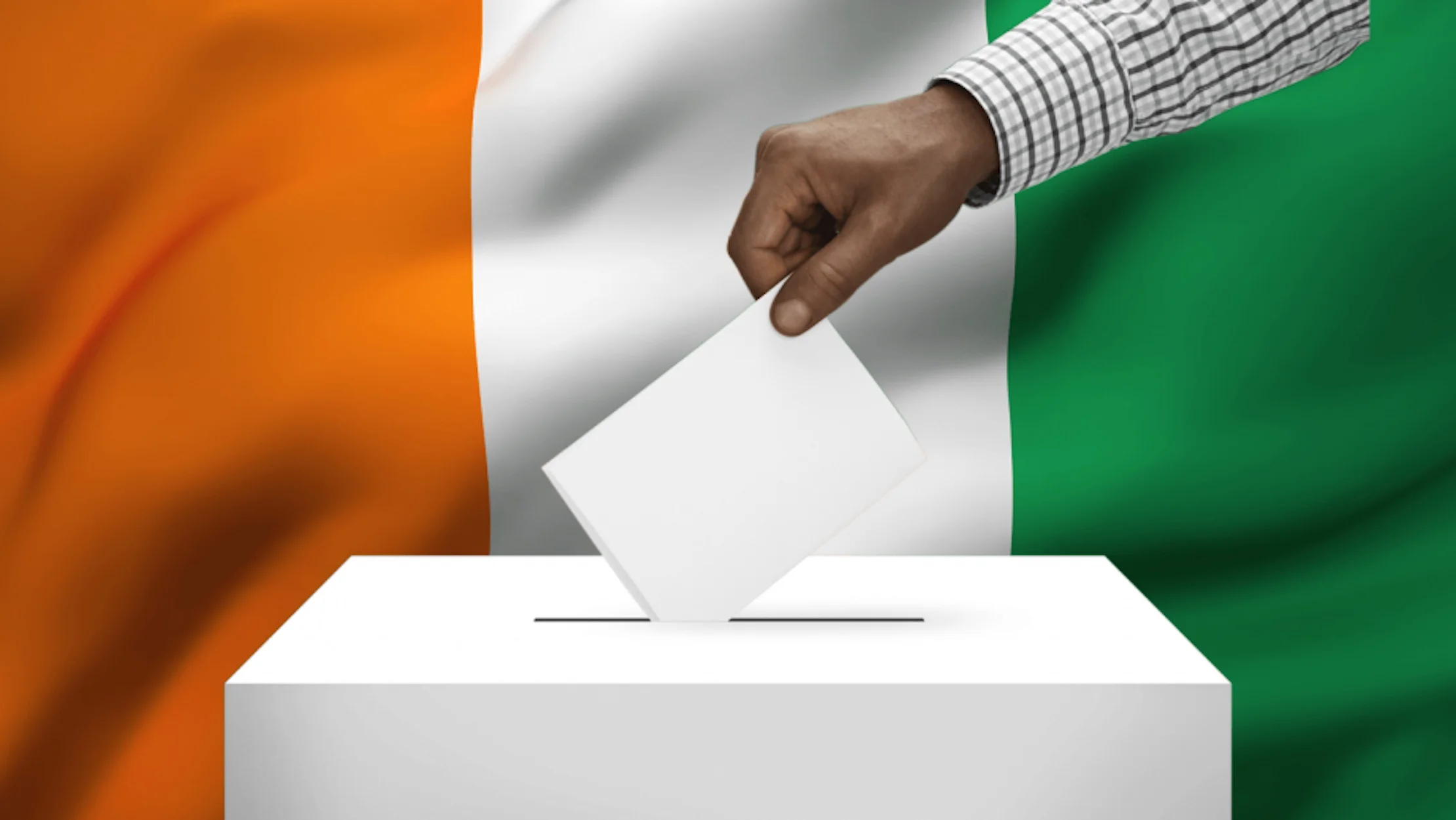
The socio-political landscape in Côte d’Ivoire is decidedly complex, particularly with approximately six months remaining until the presidential elections scheduled for October 2025. The participants in the political arena of Houphouët Boigny‘s nation exhibit a divergence of opinions on several aspects concerning the prerequisites for the upcoming presidential elections.
Certainly, prominent figures in the opposition, including former president Laurent Gbagbo, Charles Blé Goudé of the former Patriotic Galaxy, Soro Guillaumes of the Parti Générations et Peuples Solidaires (GPS), and Tidjane Thiam, the announced candidate of the Parti Démocratique de Côte d’Ivoire (Pdci), face various impediments that preclude their participation in the race for the highest office in Côte d’Ivoire.
This issue has persisted as a significant point of dispute between the governing party and the opposition for more than a year.
It is imperative that those in positions of authority uphold and enforce the constitution, as its legal stipulations present significant barriers to the candidacies of the politicians previously mentioned.
Conversely, the coalition formed by the opposition is diligently striving to compel the government to relent and guarantee that the electoral process is inclusive. The structure of the Independent Electoral Commission (CEI) is currently facing scrutiny from the opposition, with certain political parties having opted to resign in response.
This exemplifies the situation concerning the Ppa-ci and the Pdci. Statements from the diverse leaders confronting exclusion are emerging in succession, accompanied by organized demonstrations across the nation.
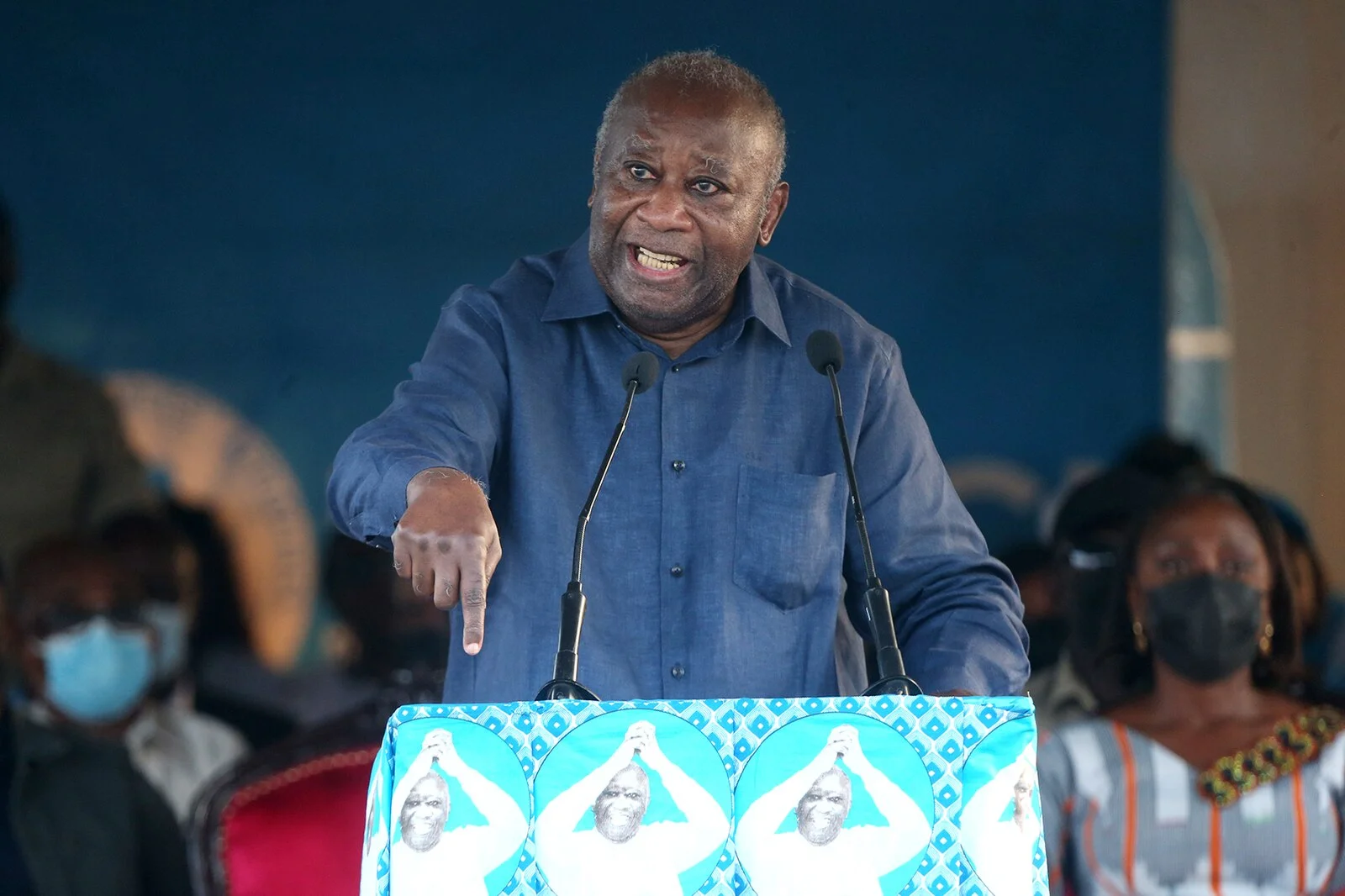
For Laurent Gbagbo, “Enough is enough! We’re going to take to the streets”, he declared at a meeting of the Parti des peuples africains-côte d’Ivoire (ppa-ci), which he founded in 2022. A “citizen’s call” addressed to militants of all opposition political parties.
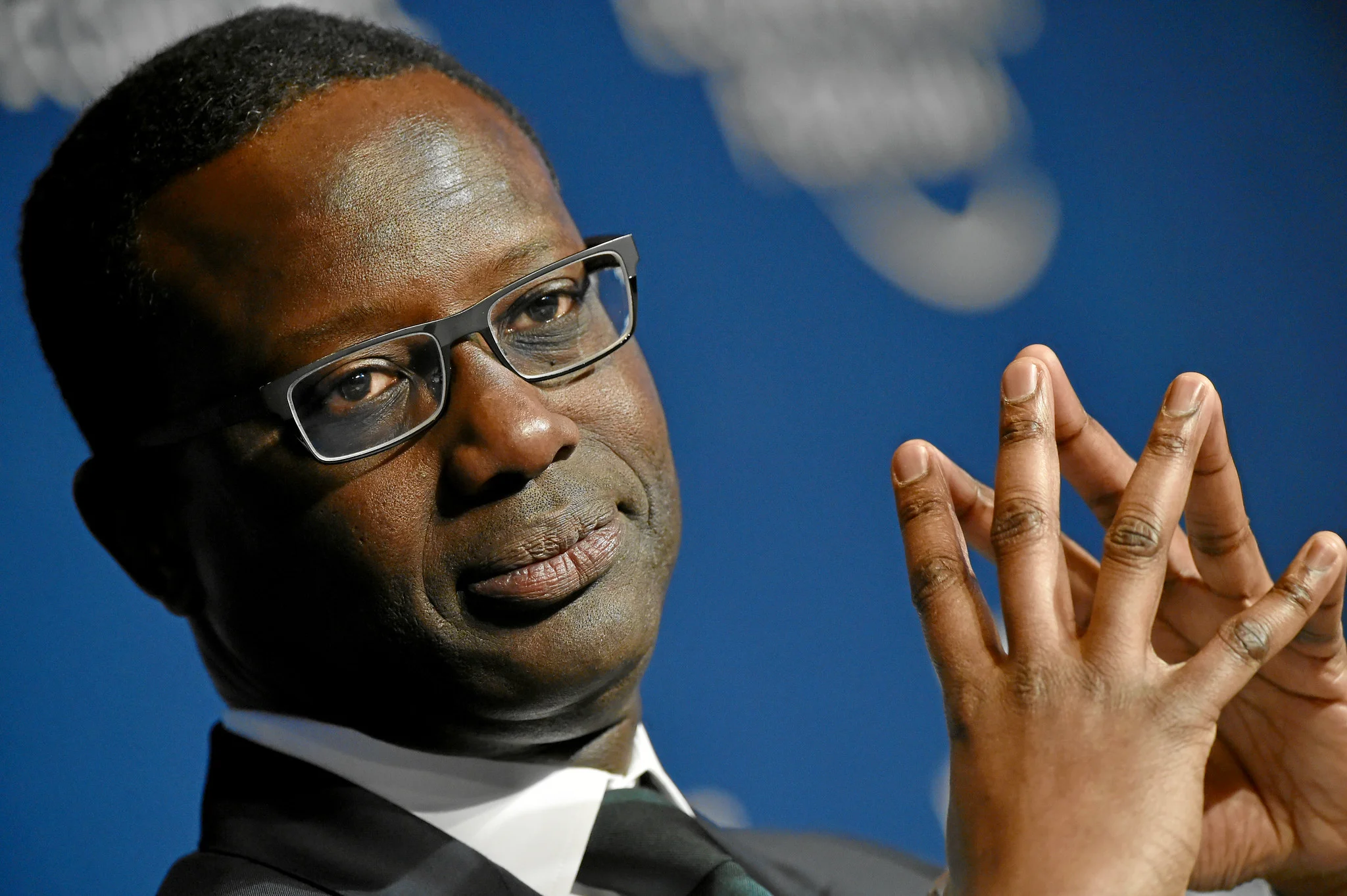
Pdci president Tidjane Thiam is resolutely committed to taking action regarding his exclusion, which he perceives as unjust. He has articulated several statements in recent days. Adversaries aim to consolidate their efforts to ensure their voices resonate.
The administration of Alassane Ouattara, represented by spokesperson Amadou Coulibaly, affirms its commitment to upholding the constitution and emphasizes that any disruption of public order will not be permitted.
Alongside the troubling political climate, the education system finds itself in a state of stagnation, marked by ongoing strikes from educators advocating for quarterly bonuses. The circumstances continue to be fraught, as the general populace of Ivory Coast remains hopeful for a favorable resolution.