
Issa Tchiroma Bakary, a heavyweight in the Cameroonian opposition, is seeking asylum in The Gambia in light of the escalating political unrest after a controversial presidential election on October 12, 2025. The Gambia confirmed it is housing him temporarily as a humanitarian gesture in a statement stressing that it was trying to ensure Tchiroma’s safe passage while working with “regional partners, namely Nigeria” to resolve the ongoing situation in Cameroon, which has turned dangerous. Tchiroma is the head of the Cameroon National Salvation Front and a former government minister.
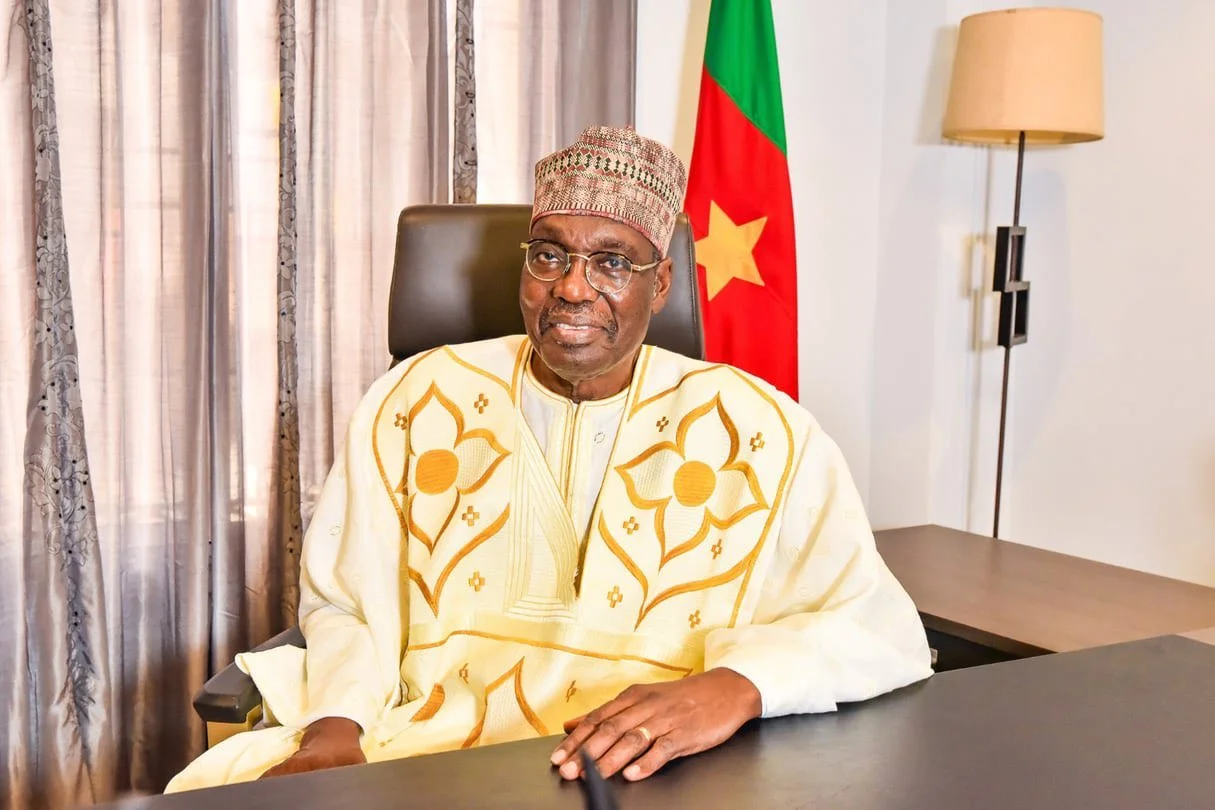
He issued a statement questioning the official election results where the long-time government leader Paul Biya was declared to have won with 53.7% of the votes, while Tchiroma himself claims he was the real winner with 35.2%. He has also called on supporters to boycott the official results and participate in demonstrations, including protests (referred to as “dead cities”) to prevent daily life and activities from continuing normally.
Background: The Disputed Election and its Fallout
President Paul Biya, who has dominated power since 1982 and at 92 years old, claimed another victory amidst charges of electoral malpractice and a 2008 constitutional revision that eliminated presidential term limits. Following the announcement of results favoring Biya, violence broke out in opposition bases, including Douala, Maroua, and Garoua- all major urban areas in Cameroon.
Government reports say that five people died as a result of the protests, but opposition groups and human rights groups say that the death toll could be in the fifties. The controversy has made the political climate even more divided and unstable. Tchiroma fled Cameroon to avoid arrest and possible persecution for calling for insurrection.
The Gambia’s Role and Diplomatic Dynamics
On November 7, 2025, Tchiroma traveled to The Gambia as part of diplomatic efforts in the region to guarantee his security and to prevent further escalation of the situation at home in Cameroon. The Gambian government emphasizes that it is solely a humanitarian need and respects the sovereignty and territorial integrity of all member states of the African Union. Gambian authorities have advised Tchiroma to avoid making provocative public comments during his stay to avoid further escalation or animosity from Cameroon. Banjul is engaging with neighboring countries, most visibly Nigeria, and relevant international entities to assist in the negotiation of a peaceful resolution to the crisis.
Political and Social Implications for Cameroon and the Region
The temporary asylum granted to Tchiroma in The Gambia illustrates the wider concerns of political polarization and human rights in Cameroon’s precarious democracy. For more than 4 decades, Biya has remained in power through constitutional amendments, repression of political opposition and control of the electoral process. Tchiroma typifies the political response to high level desire for democratic governance but faces extreme challenges in a government regime entrenched in corruption and state-sponsored violence accorded by the state.
The regional implications carry risks of destabilizing the landscape of Central and West Africa, possibly putting partners such as The Gambia and Nigeria in mediatorial roles, balancing humanitarian protections with the legitimacy of diplomatic relations. The outcomes of this event will be consequential for the model of governance and the nature of political opposition in the future of other delusionary democracies in Africa known for authoritarianism.
Prospects for Resolution and Global Interest
Negotiations continue behind closed doors to reach a permanent peace settlement, with mounting pressures from various regional bodies, which had been involved in issues of electoral legitimacy and human rights, including the African Union and ECOWAS. While all of this unfolds, the international community observes how Cameroon manages a balance between local priorities and global demands for democratic reform. The Gambia playing host to Tchiroma, perceived to be a high-valued political refugee, exemplifies the interconnectedness which exists in political affairs in Africa and the complexity of the diplomatic context required to reach a peaceful resolution of electoral disputes.



