The US and Ukraine have made recent strides in peace plan talks, aimed at putting an end to Russia’s war in Ukraine, born out of intense diplomatic discussions in Geneva. Those talks are aimed at revising a controversial 28-point peace plan initially offered during the Trump administration that was criticized for being too favorable to Russia.
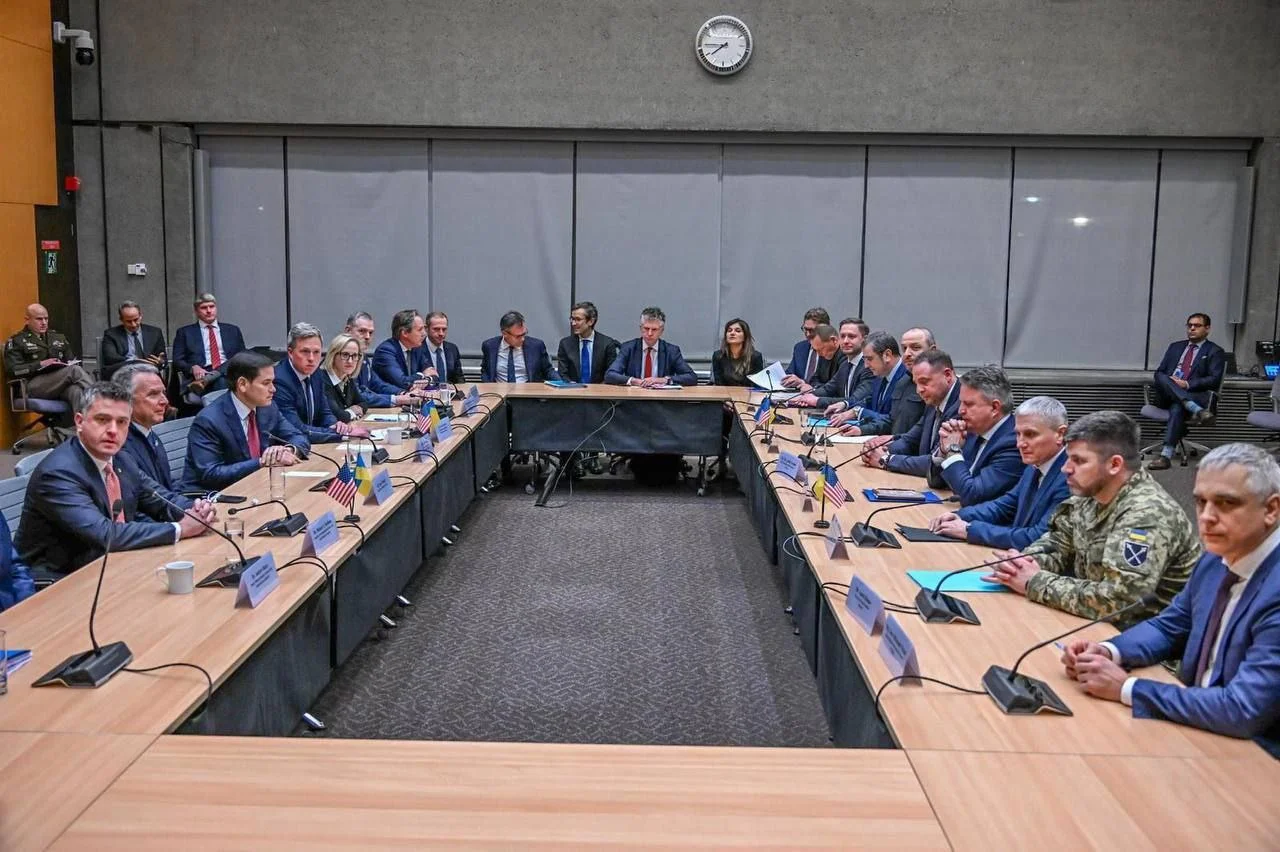
US Secretary of State Marco Rubio and Ukrainian officials have praised “substantial progress” in bringing their positions closer together, with Kyiv asserting that most of its national security concerns have been addressed. Nevertheless, the situation remains fragile as long as Russia’s position and acceptance remain a question of major concern.
The Peace Plan: Background and Evolution
The original peace plan from the US suggests several conditions for Ukraine, which include the following:
- Territory to be ceded to Russia from current occupied areas
- Limits on military: a cap on armed service members and stockpiling weapons
- Neutrality for Ukraine: no NATO in the future
These conditions have been deeply criticized by Ukraine and Europe, as it is tantamount to a forced surrender of Kyiv’s autonomy and resources for the war. Discussions have taken place in Geneva to seek revisions, changes, and clarifications of the initial terms to serve the security needs of Ukraine while potentially maintaining a sustainable ceasefire in mind. The European powers, Britain, France, and Germany, have also made a counterproposal that softens some of the language about NATO and territory and makes it clearer that a ceasefire should come first, followed by negotiations about territory and elections at peace.
Current Status and Key Issues in Negotiations
While progress is being made, there are still key issues that remain outstanding:
- Security Guarantees: Ukraine seeks strong, enforceable security guarantees to deter any future aggression from Russia against Ukraine, including guarantees from NATO or partner states.
- Territorial Integrity: Ukraine seeks to ensure that there is no compromise of its territorial sovereignty and does not accept Russia’s automatic recognition of Crimea or the territories held by Russian-backed separatists.
- NATO Aspirations: While the United States’ plan includes a veto of membership in a future NATO, Ukraine’s leadership seeks less clear language that is ambiguous and does not eliminate this objective altogether.
- Ceasefire and Timeline: The details of how a ceasefire would be enforced and the timeline for elections are both still on the table.
Both sides believe that there will be further technical-level discussions prior to the deadline imposed by former President Trump. It is anticipated that Ukraine President Volodymyr Zelensky will travel to Washington to engage in political negotiations directly, which reflects the political importance of the outcome.
Reactions Both International and Domestic
Responses to the meetings are varied:
- Ukraine: For many, the peace proposal is viewed as a bitter compromise, but Ukrainian negotiators insist it honors fundamental national goals. Zelensky has been an advocate for “a just and lasting peace” without selling out Ukraine.
- U.S. Officials: Officials from the Trump Administration have issued statements touting the importance of urgency but did not limit the timetable. Criticism from Democratic lawmakers came in the fashion of concessions to Russia.
- European Allies: European countries are voicing hesitance over how the U.S. plan originated and are calling for a more equilateral mechanism.
- Russia: President Putin has signaled qualified acceptance but warned of additional expansionist ambitions if discussions go awry.
The peace negotiations come at a crucial time and carry enormous weight for global security, European stability, and the sovereignty of Ukraine. The summit will succeed or fail depending on whether the competing need to manage concessions against guarantees can be answered within a diplomatic space that is acceptable to Kyiv and Moscow.
Diplomatic heavyweight will be working tirelessly to find a diplomatic breakthrough in peace. Some analysts have remarked the stakes are high, with failure potentially leading to escalation of the conflict and further regional tensions but success, while tenuous, may offer the most meaningful opportunity to end Europe’s deadliest war since World War II.