
Douala, Cameroon — October 28, 2025— Cameroon is witnessing the worst violence it has had in years following the declaration of 92-year-old Paul Biya as the victor of an 8th term. The large protests spread throughout Douala, Yaoundé and other cities, resulting in 4 deaths, dozens of injuries, and arrests of opposition supporters. The outrage, manifested on the streets of the cities and through online feeds, stems from long-standing issues with President Biya’s governance over decades and the political future of Cameroon.
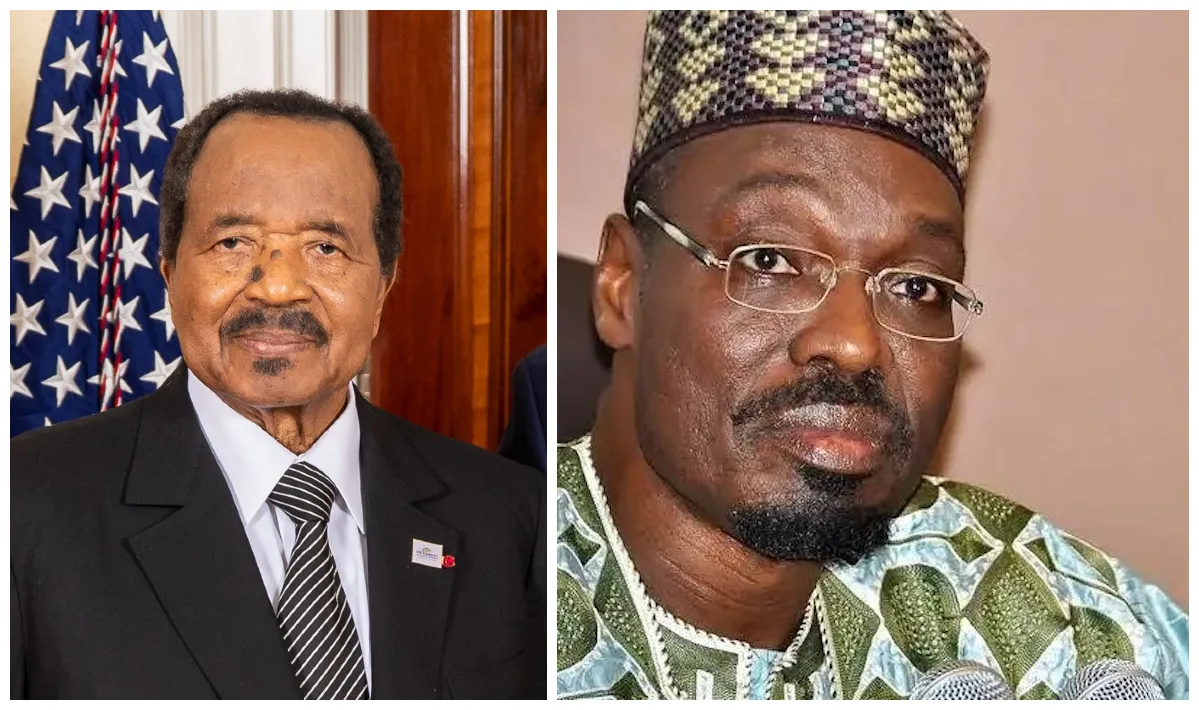
Protests Ignite After Disputed Election Announcement
Violent confrontations broke out late on the Monday night following the announcement by the Cameroon Constitutional Council which sanctioned Biya’s election win at 53.66% of the votes, extending his total rule of Cameroon over 49 years, assuming he serves a full what would be his new term. Biya’s closest opponent, Issa Tchiroma Bakary, immediately rejected the announcement, claiming that the campaigning process was fraudulent, calling for protests across the country. Demonstrators, often young, angry and unemployed, ignored the imposed bans on protesting in public, blocked roads, and set tires ablaze in Douala, Cameroon’s economic capital, and other towns in the north.
Authorities responded with tear gas, water cannons, and live ammunition, allegedly firing into crowds in multiple locations. “I was crushed”, said Max Ndongmo, a Douala resident. “This system is hypocrisy.” Protesters shouted slogans accusing the government of rigging the election and promised they would not accept a new term for Biya in peace. In the aftermath of the protests, images on social media displayed thick smoke rising into the air, burning barricades of debris, and militarized deployments blocking roads near government buildings.
Deadly Toll and Widespread Anger
The death toll currently stands at at least four dead bodies in Douala, while more were injured during chaotic confrontations as police stations and police vehicles in Douala where also targeted during the outrages. In Garoua, the opposition campaigners also reported more casualties and more intimidation of the journalists and targeting of reporters physically. The police arrested over 30 activists and opposition party politicians, adding to the already tense situations, with warnings issued by authorities of crackdown on the so-called “insurrection movements” springing up in the country.
While the government maintains that the electoral process was free-and-fair, eyewitness accounts and reports from civil society indicate an aggressive campaign of propaganda including regulating normal of protesting, distract, deterrent measures, and voicing concerns around fraud. “Peace cannot be mandated; it must be cultivated,” civil society advocate Ernesto Yene told DW. The system in Cameroon remains tense and unknown with questions of impending escalations.
A Divided Nation: Change vs. Control
Paul Biya has held office for over forty years and has endured myriad crises, from separatist violence in the anglophone regions to rampant youth unemployment. Turnout at the polls was relatively low, with many Cameroonians expressing disillusionment with the political status quo and with sluggish economic growth, despite the endless abundance of natural resources.
Youths and activists have publicly advocated for greater accountability, more economic opportunity, and an end to the politics of fear. Some protesters called on the African Union and the United Nations to intervene on their behalf to facilitate dialogue and transparent elections. The government’s military presence demonstrates that it intends to maintain order by any means necessary rather than participate in dialogue.
Global reactions and what it sees
World leaders have spoken out against the violence and asked for calm. Human rights groups are calling for investigations into the deaths of protesters and the limiting of political rights. Biya’s government has so far refused to back down, calling the unrest caused by “insurrectionists” in the opposition and denying any claims of fraud.
In light of the ongoing protests and mass discontent, Cameroon appears to be at a crossroad. Leaders from civil society have warned that if further reforms are not initiated, political alienation will deepen, and unrest is likely to become a routine feature of Cameroonian politics. Following the announcement, opposition leader Issa Tchiroma Bakary wrote, “There will be no peace without justice” and called for peaceful resistance, while cautioning that more protests are on the horizon.
Legacy of a Lengthy Rule
Paul Biya, Africa’s now-oldest head of state, has maintained a firm grip on power while navigating shifting alliances, amendments to the constitution abolishing term limits and the continual allegation of repression. Although tensions are mounting, Biya’s party (CPDM) continues to be entrenched in Cameroon’s current institutions and military.
Experts stated that the current unrest reveals the limits of authoritarian stability in the face of social change. The country is now watching its streets; many of them are waiting to see whether Biya’s victory will lead to stability through control or whether Cameroonians will demand change in other, louder, and more forceful ways.
Cameroon’s Uncertain Path
The violent protests that erupted after Biya’s election have put the crisis in the global spotlight. Whether it is through dialogue, reform, or protests, Cameroonians are seeking answers to the demeaning political power. Now the world will be watching whether this represents the beginning of democratization or another cycle of repression.



