
Kingston, Jamaica- October 28, 2025 — Hurricane Melissa has made the record books as the most powerful hurricane to ever impact Jamaica, delivering catastrophic winds, torrential rains, and lethal storm surges as it races across the Caribbean. With authorities, forecasters, and millions of residents coping with the effects of a hurricane that was able to rapidly inner change and escalate to a rare Category 5, sustained winds of 175 mph posed to push evacuation orders and emergency declarations to levels never seen before.
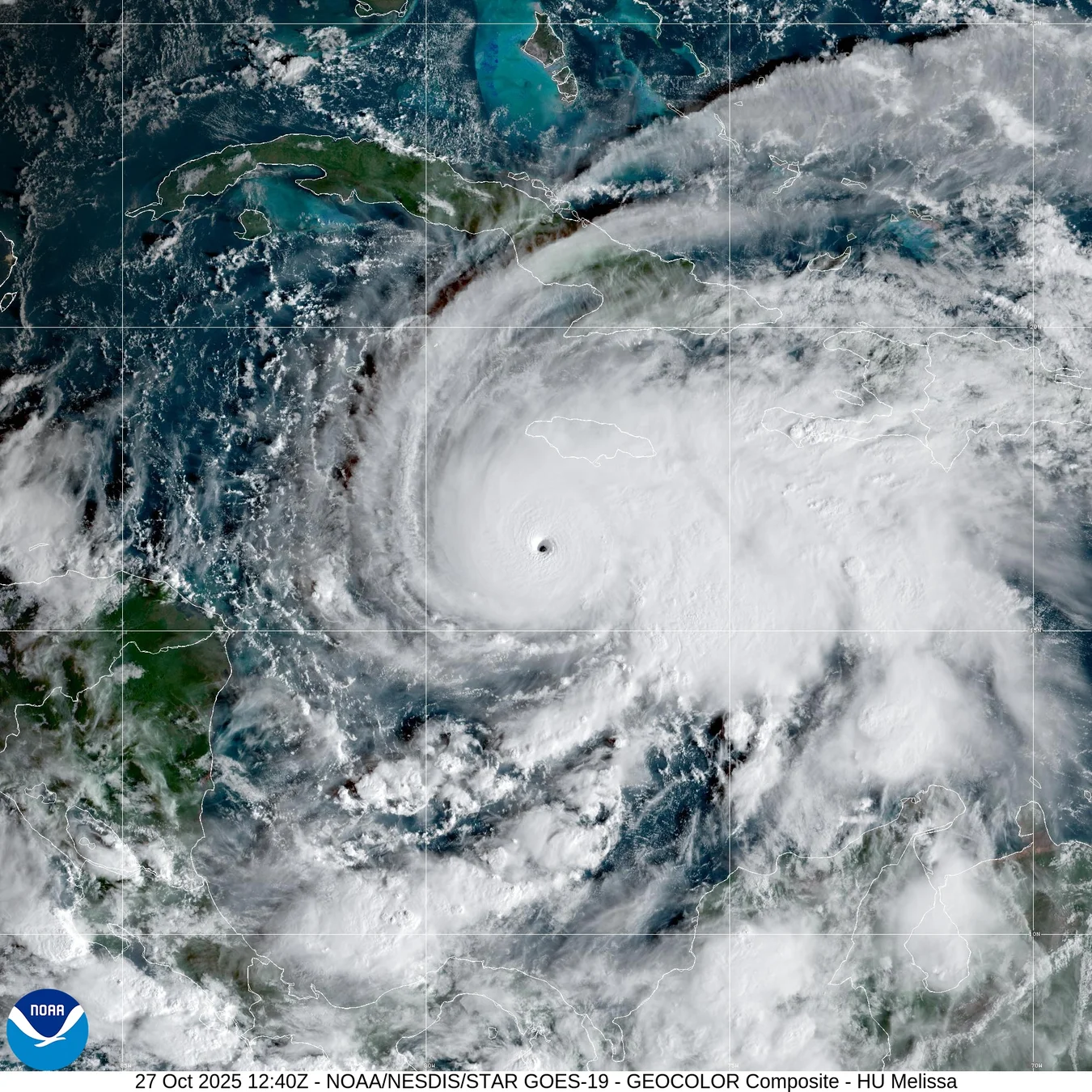
Melissa: Anatomy of a Monster Storm
The U.S. National Hurricane Center (NHC) warned of a worst-case scenario as Melissa moved toward Jamaica’s southern coast, with the core moving close to Black River and then across the center of the island. The peak winds reached 175 mph with gusts exceeding 210 mph, at times making it the strongest tropical cyclone on the planet in 2025 and threatening to break the record from Hurricane Gilbert in 1988.
Melissa was also notable for its extreme slow movement and pace at just 5 mph which resulted in prolonged exposure to hurricane winds for the island which exacerbated the risk of wind damage (and subsequent water damage) for the island. A hazardous storm surge of up to 13 feet struck parts of the southern coast of Jamaica while rainfall totals reached between 15 and 40 inches (especially in mountainous regions) resulting in life-threatening flash floods and landslides.
Forecasters characterized the rate of intensification as “text book” for a hurricane fueled by climate change as the relationship to sea surface temperature demonstrate the potential for record breaking hurricanes in the future.
Emergency Response and Human Toll
Prime Minister Andrew Holness urged Jamaicans to shelter in place as conditions worsened from hour to hour. Mandatory evacuations were ordered for several at risk and vulnerable communities, especially as outer rain bands and tropical storm force winds influenced the island before the core passed over the island.
As of early Tuesday, there were at least seven deaths reported in the greater Caribbean with three confirmed fatalities reported in Jamaica. Many injuries, missing persons, and isolated communities raised the concern that many of the human toll would only be revealed as communication and access networks were restored,
Jamaican Defense Force, Red Cross, and international relief agencies have been mobilized for a major rescue, recovery, and humanitarian operation. “Relief supplies will be urgently needed everywhere on the island in the wake of the hurricane,” authorities indicated, which likely suggests days or weeks of response and rebuilding effort.
The loss of critical infrastructure will be severe and was compounded by the widespread power outages across Jamaica, the flooding of coastal areas, and collapsed bridges and roads effectively cut off much of Cornwall and much of Middlesex counties from the rest of the island.
A Spread of Disaster: Next Targets
After devastating Jamaica, the projected path of Melissa appears to be heading towards southern Cuba and the southeast central Bahamas. Authorities in Havana and Nassau are accelerating preparations, issuing hurricane warnings, and evacuating the low-lying areas.
Forecasters are warning that parts of southeastern Cuba could experience accumulations of rain totaling in excess of 20 inches with destructive winds. Hurricane conditions are also expected to extend into the Turks and Caicos and parts of the Bahamas from late Wednesday and into Thursday, with extensive effects lasting well into next weekend as the storm moves farther north.
The NHC stated, “Preparations to protect life and property should be complete in Jamaica and rushed to completion in Cuba and the Bahamas.”
Climate Context and Historical Comparison
Melissa has already exceeded the destructive scale of major hurricanes in Jamaica’s recent historical past, including deadly events such as Hurricane Beryl. Meteorologist Michael Lowry has stated, Melissa is a “satellite history moment” for the Atlantic — preliminary satellite-based wind readings have indicated sustained winds reached up to 190 mph, possibly among the highest sustained winds ever recorded.
With record high October Sea Surface Temperatures, meteorologists have linked Melissa’s explosive growth to a warming climate, and Atlantic environment supercharged by a strong-enough-to-induce El Niño. The storm’s recent rapid intensification and sustained peak has added a new urgency to climate adaptation and community preparedness across the Caribbean.
Recovery and Rebuilding
As the storm passes Jamaica, lives will be saved, essential services are restored, and evacuations are cared for. Relief agencies are calling for on international donors, governments, and volunteers for what is likely to be a long and difficult recovery — reports indicate damages likely over billions of dollars in lost infrastructure, agricultural loss, and economic disruption.
Prime Minister Holness stated, Jamaica will “rise from this stronger,” encouraging unity in the face of adversity, and promising rapid action to protect the vulnerable people.





