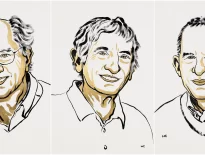
On October 6, 2025, in Stockholm, the Nobel Assembly presented the Nobel Prize in Physiology or Medicine to Mary E. Brunkow, Fred Ramsdell, and Shimon Sakaguchi, representing a historic moment in the widespread recognition of ground-breaking discoveries about the immune system discoveries that have changed all aspects of science and clinical practice around the world.
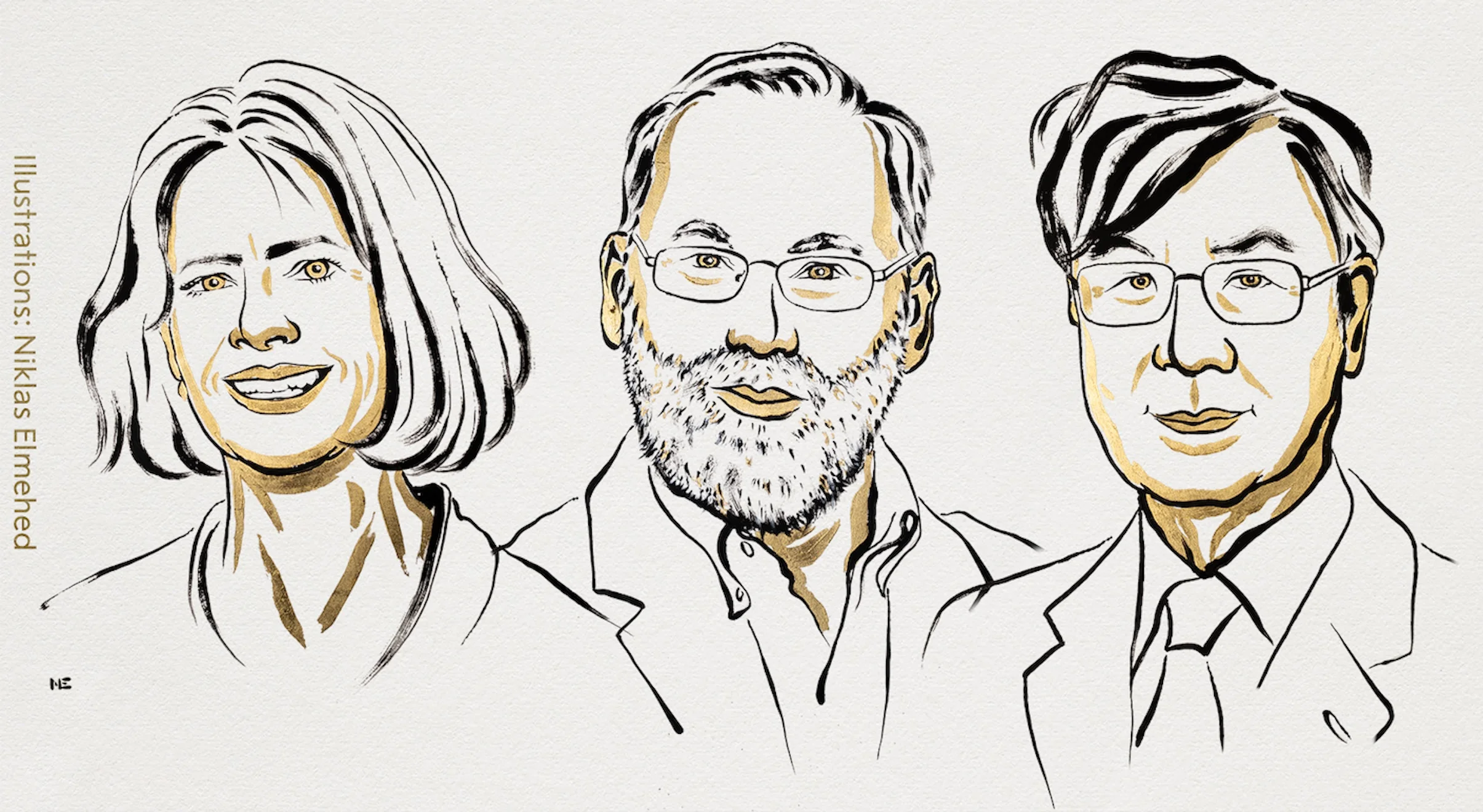
The discoveries these three scientists made regarding how the immune system balances a very delicate form of self-control, a form of self-control that can result in immune exclusion, or the prevention of the immune system from unintentionally attacking its many selves speak to the pursuit of knowledge through scientific understanding, represent real hope in clinical and scientific practice, and may lead to global changes in the understanding of how the immune system operates.
A Breakthrough Decades in the Making
The dilemmas of how the immune system decides to attack foreign pathogens, but leave others alone (sometimes), have stumped scientists for centuries. The body’s immune system must distinguish day in and day out, whether or not it is a foreign pathogen, or whether or not it should allow viruses, bacteria, and parasites to proliferate while attacking the body’s own cells. When the body’s fight or flight response goes awry, it can result in autoimmune diseases such as lupus or rheumatoid arthritis, and sometimes even type 1 diabetes. If the immune system fails to recognize infections or cancers for instance, the body becomes susceptible to whatever it may be located in an undetectable state inside the body.
This year’s Nobel prize recognizes the trio’s groundbreaking work into what has been termed “peripheral immune tolerance,” precisely the tolerance threshold that the immune system uses to not turn on itself. As stated in the Nobel announcement about their work, they discovered that “regulatory T cells” had a specific ability to prevent the body’s immune system from attacking itself in self-destructive fashion. This was very important in immunology, and specifically in the understanding of the immune system’s response to cancer.
The Discoveries That Changed Immunology
For quite a long time, central immune tolerance, which occurs in the thymus, was considered the only way to keep an immune system from becoming activated. Then, in 1995, Sakaguchi’s investigations demonstrated that there was more to the story. He had identified an alternative subtype of T cell, termed regulatory T cells, or T-regs, which are responsible for inhibiting harmful immune responses in the peripheral tissues of the body.
Based on this foundation, Brunkow and Ramsdell added another significant finding early in the 2000s. They identified a gene, Foxp3, which had a role as the switch for the formation of T-regs. The absence of Foxp3 results in the formation of T-regs and such mice develop devastating autoimmune symptoms. At this point the biological picture was taking shape: “It is their shared curiosity that brings them to Stockholm this year, to receive the Nobel Prize”, as reported by The Economic Times.
It wasn’t like this happened overnight. The laureates have brought decades of careful experimental investigation, inspired ideas, and persistence against institutional inertia.
Scientific and Clinical Impact
According to Dr. Olle Kämpe, chair of the Nobel Committee, these discoveries are “fundamental for our understanding as to how an immune system operates and why we don’t all develop serious autoimmune diseases.” The discoveries have engendered a contemporary field of investigation – peripheral tolerance – which has encouraged the exploration of medical therapies and targets.
Regulatory T cells are now at the center of a new revolution in medicine. Researchers are actively working on projects to explore experimental medical treatments that can be applied for autoimmune diseases including multiple sclerosis, type 1 diabetes, and inflammatory bowel disease if they can stimulate or restore T-reg capacity to dampen a hyperactive immune system, thereby enhancing tolerance to self-components.
The implications do not stop there: the same regulatory pathways could also potentially reduce the risk of serious complications due to organ and stem cell transplants by inducing tolerance to foreign tissue. Alternatively, in cancers, blocking or manipulating T-reg function could reinvigorate the immune system to attack cancers that normally evade the immune system.
As stated by the Nobel Assembly, “Discovery by the two laureates initiated the field of peripheral tolerance which subsequently fostered the cell therapeutics for autoimmune diseases and cancer, several have been approved and are in various stages of clinical trials.”
The Laureates: From Curiosity to Nobel Gold
- Shimon Sakaguchi, a professor at the Immunology Frontier Research Centre at Osaka University in Japan and a physician-scientist who has pursued a career in foundational research and patient care.
- Mary E. Brunkow, senior program manager at the Institute for Systems Biology in Seattle, who first trained in molecular biology at Princeton and subsequently changed to immunology, and
- Fred Ramsdell, a scientific adviser for Sonoma Biotherapeutics in San Francisco, who is known for his ability to bridge academic research with commercial research.
Their diverse backgrounds and collaborative work across international lines is science at its best; driven by curiosity, supported by discipline, and united to help improve human health.
Nobel Prize Ceremony and Wider Legacy
The Nobel Committee awarded all three a Nobel prize worth 11 million Swedish kronor (around $1.2 million), to be shared among them. The Nobel Ceremony will take place on December 10, the anniversary of Alfred Nobel’s death, in Stockholm, alongside the Nobel Laureates in physics, chemistry, literature, peace, and economics.
This award is both personal and collective, and as noted in the press conference, the Nobel Assembly reached Sakaguchi first by telephone, and then in the initial rush, left Brunkow and Ramsdell uncontacted. “If you hear this, call me,” quipped Thomas Perlmann, the Nobels Assembly’s secretary general.
Official statements from scientific societies around the globe have called the collective work of the trio, “one of the most consequential advances in modern immunology” and countless young scientists are flocking to the field of immune regulation. Increasingly hopeful clinical trials are underway inspired by their discoveries, for millions of individuals living with immune-based diseases.
A Paradigm Shift with Long Lasting Impact
The Nobel prize for Brunkow, Ramsdell & Sakaguchi is viewed as the climax of a paradigm shift in medicine. Immune tolerance is no longer a mere background function; immune tolerance is an active, dynamic protection that codifies our health, day after day. The story behind the prize a testament to perseverance and the nature of basic research: challenge old dogma, pursue what is unexpected, and have the ability to change lives now and into the future.
As all three prepare for Nobel Week in December, the larger scientific community is already working off their discoveries. “We are at the dawn of a new era in immunotherapy and transplantation science,” stated Daniel Kastner of the National Institutes of Health, “and these researchers have not only solved a central mystery of science, but also provided us with tools to write a new future of medicine”.