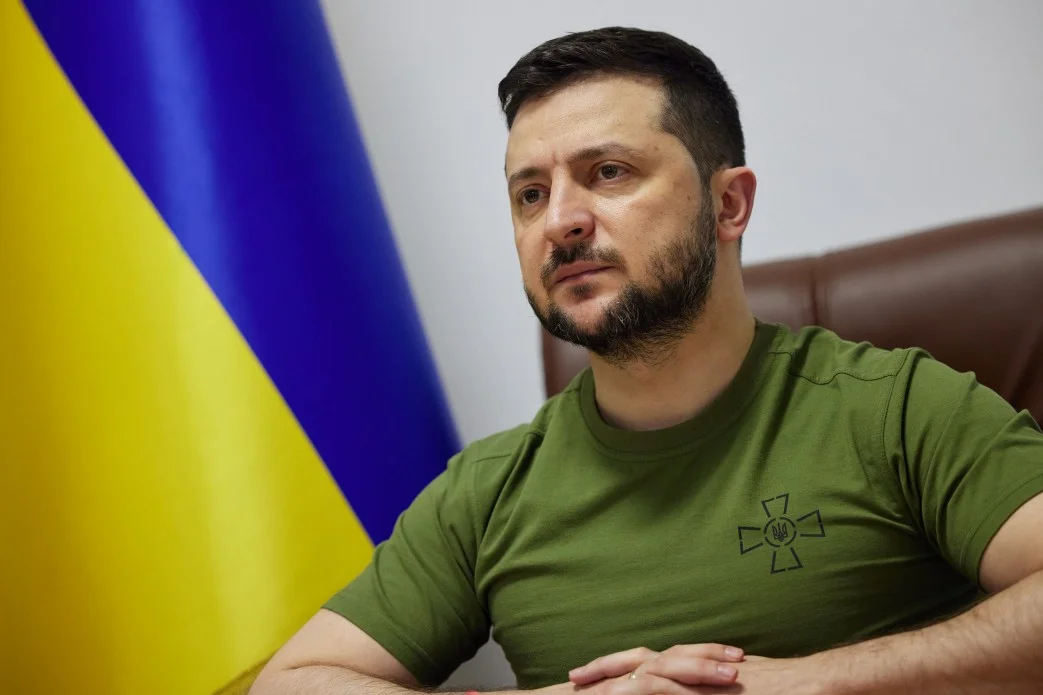
On August 13, 2025, Ukrainian President Volodymyr Zelenskyy has a virtual summit with U.S. President Donald Trump and key EU leaders. The summit is being led by German Chancellor Friedrich Merz and is taking place in Berlin two days prior to Trump’s in-person meeting with Russian President Vladimir Putin, in Alaska.
The meetings have the potential to influence the war, and the future balance of power in Eastern Europe.
Why Did the Berlin Summit Happen?
The war in Ukraine is now in its fourth year without an end in sight. As Trump prepares to meet Putin in Alaska on August 15, pressure has built up from European capitals and Kyiv to insist that negotiations reflect Ukrainian interest and are not a bilateral deal between the US and Russia. Chancellor Merz organized the Berlin virtual summit to secure Ukraine’s place and cement Europe’s demand for security guarantees, sovereignty, and a meaningful role in any peace talks.
Who Attended?
Besides Zelenskyy, those in attendance included leaders and top-ranking members of Germany, France, the UK, Italy, Finland, and Poland, as well as senior representatives from the EU and NATO. Trump and Vice President JD Vance were connected to the group through secure video link, from Washington D.C., thus creating an opportunity for difficult dialogue and coordinated preparation for the Alaska summit.
The Stakes: Europe and Ukraine Push Back on Land Swaps
One of the most controversial ideas circulating surrounding Trump’s Russia meeting in Alaska is “land swaps”—a ceasefire deal that could force Ukraine to surrender some Russian-occupied territory, not necessarily with reciprocal or meaningful concessions from Moscow.
- Zelenskyy’s Position: Zelenskyy was clear that Ukraine would never withdraw from territory it controls as he pushed back on any deals requiring major concessions. “Conversations about us, without us, will not function,” he explained, adding that Ukrainian sovereignty and the constitutional principles of the nation could never be sacrificed for expeditious closure.
- European Worries: EU and NATO leaders touched on the larger implications for any property exchange, in part out of fear that any perceived Western weakness, including any “logical expectation to offer Ukraine an unacceptable agreement,” could persuade Russia to pursue the same strategy in the other 39 thermal than just Ukraine. As they noted, “you can never change borders through armed means and, in relation to Ukraine, the idea that the West would ever pressure its neighbor into an agreement that put them in such a position has profound implications.”
What Was Talked About in Berlin?
One of the main talking points in Berlin was identifying priority issues in advance of Trump’s meetings with Putin:
- Security Guarantees: European and Ukrainian leaders insisted that the peace agreement included ironclad guarantees of security against future Russian aggressions, even as they worried that Putin would end up asking for territorial concessions as a form of ceasefire.
- Ceasefire Conditions: The leaders instead proposed that when Russia withdraws from occupied territory, those withdrawals should be matched in terms of distances by any Ukrainian withdrawals (i.e. “inch-for-inch”). They wanted a situation where Ukraine retained a stronger position in ceasefire talks.
- Missile Development Support: Chancellor Merz would devote resources from Germany to support Ukraine developing its own long-range missile systems, with no restrictions placed on Ukraine restricting Ukraine from developing the missiles beyond what the West would’ve imposed. This enables Ukraine to defend itself more effectively in the absence of NATO support.
Trump’s Reaction—and What Comes Next
Trump has been rather ambiguous, saying he wants to “feel out” Putin’s commitment to ending the war, but disappointing some allies when he said that Ukraine may have to give up territory to end the war. After the summit, Trump committed to briefing Zelenskyy and European leaders soon after his talks with Putin in Alaska and, depending on how things play out, he said trilateral meetings between himself, Putin, and Zelenskyy could be scheduled.
European Leaders Want to Be Involved
European leaders continue to push for an important role in implementing any future Ukraine–Russia peace deal and encourage Trump not to marginalize their voices in Anchorage. With Europe providing the majority of the military and humanitarian assistance to Ukraine, their leverage will be vital to providing postwar stability and security guarantees.
Ukraine and European Unity Tested
The Zelenskyy virtual summit in Berlin with Trump and the EU leaders is a united front before one of the most important U.S. – Russia engagements in a decade. As the Alaska summit gets closer, the pressure mounts on Trump to deliver on his promises of real security for Ukraine, and on European allies to ensure peace talks are not skewed toward Moscow at Ukraine’s expense.