Reform UK has said it would block new visas for citizens of any country that formally demands slavery reparations from Britain, turning a fast‑escalating international debate over colonial‑era injustice into a hardline immigration test as it seeks to cement its status as the UK’s main right‑wing challenger party. The proposal, unveiled by home affairs spokesman Zia Yusuf and condemned by Caribbean leaders as “toxic racism,” would halt legal migration from at least 17 nations that have backed reparations claims, many of them members of the Commonwealth and historic partners of the UK.
What Reform UK is proposing
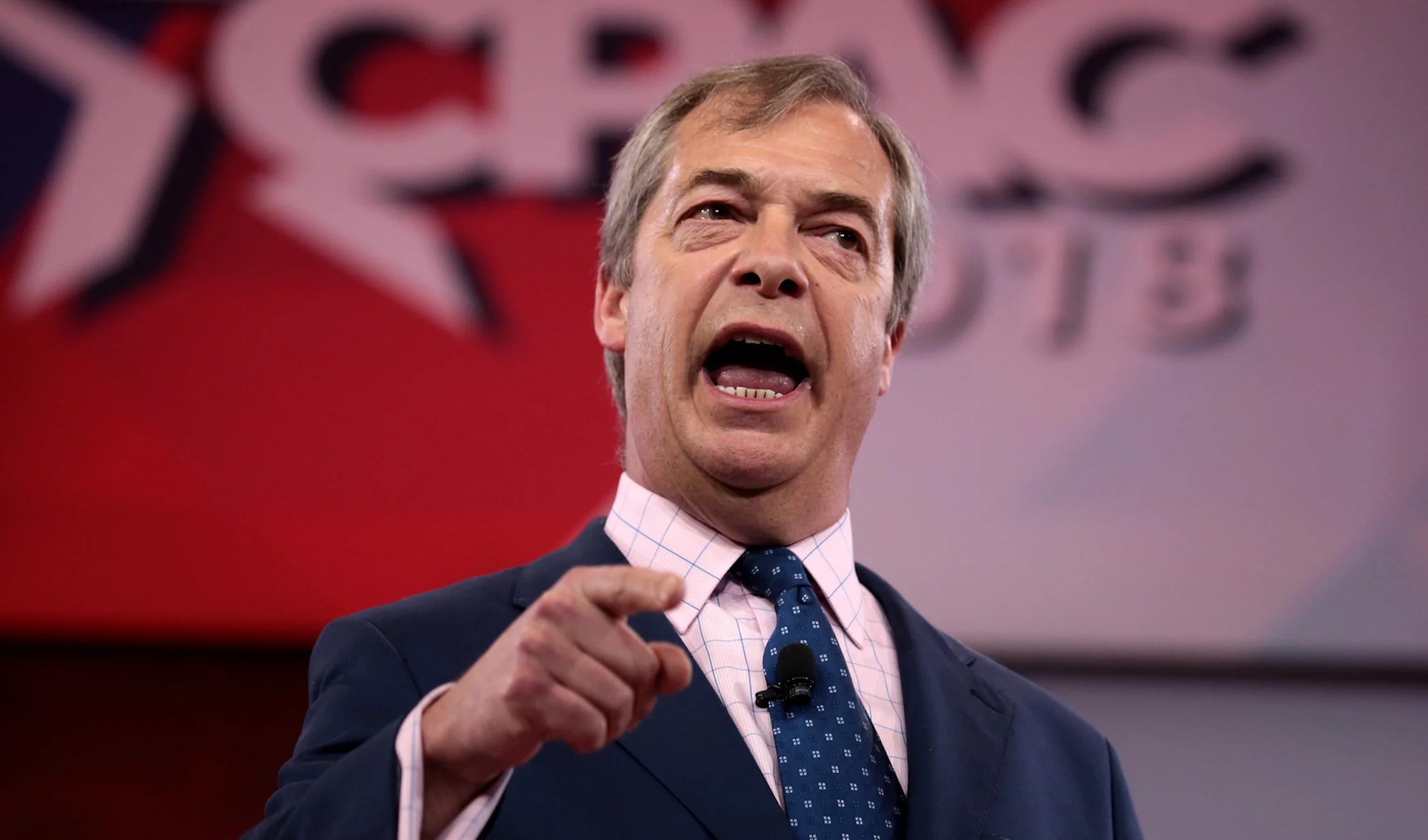
Speaking to British media and writing in The Telegraph, Zia Yusuf set out a blunt new test for Britain’s visa policy: any country that formally demands reparations for the UK’s role in the transatlantic slave trade would see its nationals barred from obtaining new visas of any kind.
In a broadcast interview, Yusuf said: “Any country that formally makes a demand for reparations from this country, a Reform government, if we win the next general election, will immediately halt visa issuances to that country, and we’ve already made clear that we would end foreign aid, too.” Asked how long such a ban would last, he replied: “Forever, until such time as that country rescinds that demand for reparations to our satisfaction.”
Reform’s written plan, summarized by the BBC and Yahoo News, goes further than a simple political gesture:
- The ban would apply to all new visas, including visitor, work, and family routes.
- It would cover any state engaged in a formal reparations process with the UK, not just those issuing public statements.
- The party links it to an earlier pledge to scrap overseas aid to countries pursuing reparations claims.
Yusuf argued that more than 3.8 million visas have been granted over the past two decades to citizens of countries now calling for reparations, and said British voters were “bewildered and justifiably angry” at seeing their country “treated like a global doormat.” “The bank is closed and the door is locked,” he wrote. “We are alerting the world that the United Kingdom is not a cash machine for historical grievances.”
Who would be hit: Caribbean and African partners in the crosshairs
Reform’s announcement comes as momentum builds behind reparations campaigns in the Caribbean and parts of Africa, following a 2023 report led by former International Court of Justice judge Patrick Robinson that suggested the UK should pay a total £18.8 trillion to 14 nations for its role in slavery. In December 2025, the UN General Assembly also adopted a resolution, spearheaded by Ghana, describing the transatlantic slave trade as “the gravest crime against humanity” and urging states to consider “full and effective reparations.”
Countries that have formally demanded or backed reparations include Antigua and Barbuda, the Bahamas, Barbados, Dominica, Grenada, Haiti, Jamaica, St Kitts and Nevis, St Lucia, St Vincent and the Grenadines, Trinidad and Tobago, Ghana, Kenya, Nigeria, Belize, Guyana, Suriname, and Montserrat, according to The Independent and other UK outlets. Reform’s policy would in effect freeze most legal migration from those states.
The BBC notes that Barbados, Jamaica, Nigeria, and Ghana, the last of which initiated the UN resolution, were cited directly in Reform’s internal discussions as examples of countries that could face visa bans if they persisted with reparations claims. Many of these nations are members of the Commonwealth and have long‑standing social and economic ties to Britain, from diaspora communities to trade and tourism links.
Observers point out that a sweeping visa ban would not only hit would‑be tourists and students, but also families seeking to reunite, skilled workers and cultural exchanges, potentially reshaping Britain’s relationship with parts of the Caribbean and Africa for years.
Reform’s argument: “Britain was first to outlaw slavery”
Reform’s leadership frames the policy as a defense of national pride and a corrective to what it calls “British self‑flagellation” over empire. Yusuf told broadcasters that calls for compensation are “offensive,” accusing reparations advocates of ignoring “the fact that Britain made huge sacrifices to be the first major power to outlaw slavery and enforce this prohibition.”
In his Telegraph op‑ed, he wrote that Britons had been urged “to bow our heads in shame, to apologize for our history, and, most scandalously, to open our pockets to pay ‘reparations’ for alleged transgressions of centuries past.” “Enough is enough,” he concluded. “We will no longer tolerate being mocked on the international stage.”
The party’s stance comes after Conservative leader Kemi Badenoch said last month that the UK should not pay compensation for “a crime we helped eradicate and continue to combat today,” reinforcing a cross‑party reluctance in Westminster to entertain large‑scale reparations payments even as symbolic apologies and memorials expand. Labor chancellor Rachel Reeves has likewise argued that Britain “could not afford” the sums being discussed in academic reports, even if it accepted moral responsibility.
Reform, which polls suggest is leading the Conservatives nationally ahead of a general election due by 2029, is going further by seeking to punish reparations demands through immigration controls, a move critics say weaponizes visas against largely Black and Brown populations for raising historical claims.
Backlash: “legacy of toxic racism” and threats to UK’s image
The reaction from Caribbean leaders and reparations advocates has been swift and scathing. Reuters reports that the Caribbean Community’s reparations commission denounced Reform’s threat as a “legacy of toxic racism” and a direct attempt to intimidate majority‑Black nations into silence.
Campaigners argue that tying visas to reparations claims amounts to collective punishment. Social‑media posts highlighted by the BBC and Yahoo describe the policy as “modern‑day sanctions” against people whose ancestors were enslaved, simply for asking for dialogue over compensation.
Diplomats from some affected nations have warned that such measures could damage Britain’s soft power and undermine its claims to moral leadership on human rights and the rule of law. With many Caribbean and African governments actively courting investment and cultural ties from China and other emerging powers, a punitive UK stance risks accelerating geopolitical realignment.
At home, critics note that Britain has recently agreed to pay limited reparations or settlements in other contexts, including compensation to Kenyan survivors of colonial‑era abuses and payments to descendants of the Windrush generation wrongly targeted by immigration policies. That patchwork response, they argue, sits uneasily with Reform’s blanket insistence that “the bank is closed” and that all reparations demands are illegitimate.
Politics and feasibility: signaling or serious policy?
Reform currently has only a handful of MPs, but polling consistently places it ahead of the Conservatives, raising the prospect that it could shape the broader debate even without winning power outright. Analysts quoted by the BBC and The Times say the visa threat is best understood as part of a broader strategy to keep immigration, culture‑war themes, and Britain’s imperial history at the center of the campaign.
Whether such a policy would survive legal scrutiny is another matter. Any government attempting to implement a blanket visa ban on the basis of another state’s political demands could face challenges under equalities legislation, international human‑rights obligations and trade or partnership agreements, particularly with Commonwealth partners. It would also collide with practical needs: the NHS, universities, and sectors from agriculture to social care rely on migrant workers and students from many of the countries on Caribbean and African reparations lists.
For now, the proposal underscores a widening gap between those calling on Britain to reckon materially with the profits it drew from slavery, and a rising nationalist right that not only rejects reparations but seeks to penalize those who ask for them. As one Caribbean commentator put it on social media, reacting to Reform’s announcement: “We asked for a conversation about justice. They answered with a threat to keep our people out.”