
The latest developments in the Jeffrey Epstein case center on a historic, and highly contentious release of government files that has shed more light on his network and the federal response to his crimes, while also deepening questions about what is still being withheld. The Justice Department has begun disclosing thousands of pages of records under a new transparency law, but heavy redactions, missing files and political infighting mean much about Epstein’s operations and his associates remains obscured.
The New “Epstein Files” Law and What Was Released
In 2025 Congress passed the bipartisan Epstein Files Transparency Act, requiring the Justice Department to release virtually all investigative records related to Jeffrey Epstein and his convicted co‑conspirator Ghislaine Maxwell, subject to narrow redactions for victims’ privacy and ongoing probes. The law set a December 19 deadline for a massive disclosure of FBI, DOJ and grand jury material that would normally remain secret.
In response, DOJ has begun rolling out tens of thousands of pages of documents on a “rolling basis,” citing the sheer volume of material and the need to scrub sensitive details. The first public batches include:
- Flight logs for Epstein’s private jets.
- Photographs from his homes and travels showing him with various public figures.
- Grand jury transcripts and court filings from past criminal and civil cases.
- FBI investigative records describing survivor allegations.
However, media reviews of the initial release found at least 550 pages that are entirely blacked out, along with many heavily redacted documents, prompting criticism from lawmakers and survivors’ advocates that DOJ is not fully complying with either the letter or the spirit of the law.
What the New Documents Actually Show
So far, journalists and congressional staff who have combed through the first document drops say the files contain more detail than revelation.
- Many of the flight logs, court records and internal memos had already surfaced in earlier litigation or media investigations, including records showing prominent figures like Bill Clinton traveling on Epstein’s plane in the early 2000s.
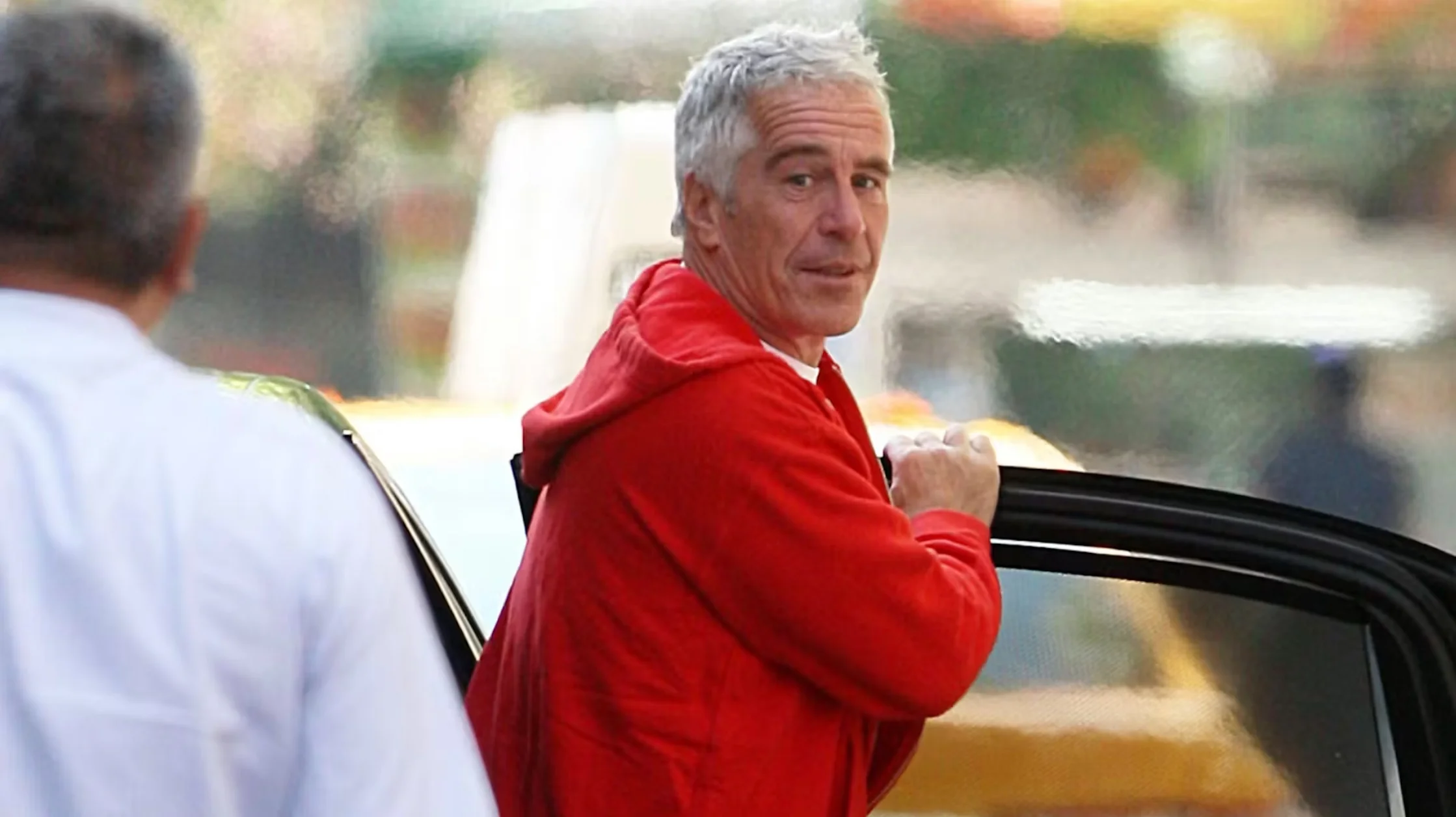
- CBS News and other outlets report that the new photos mainly depict Epstein’s properties, travel, and social circle, confirming the breadth of his elite connections but offering few surprises about who was in his orbit.
- NPR and ABC News note that, despite intense speculation, the files released so far do not substantiate allegations of large numbers of previously unknown criminal accomplices, beyond Maxwell and a small set of people already named in court.
International coverage has focused on the images and references to high‑profile names, from former politicians to entertainers, but major outlets stress that appearance in the documents does not, on its own, indicate criminal conduct.
Redactions, Missing Files and a Fight with Congress
The way the rollout has been handled has triggered as much controversy as the content.
CBS News found that more than 500 pages in the first DOJ tranche were fully redacted, beyond the partial black‑outs expected for victim identities and active leads. On top of that, PBS NewsHour reported that at least 16 files briefly posted on the DOJ’s Epstein document webpage then disappeared, including a photograph that showed Donald Trump with Epstein, raising alarms on Capitol Hill about potential political interference.
Deputy Attorney General Todd Blanche has told lawmakers the department is “continuing to review additional documents” and insists DOJ is meeting an “initial deadline” while working to protect survivors and ongoing investigations. But the bipartisan pair who pushed the law, Republican Rep. Thomas Massie and Democrat Rep. Ro Khanna say DOJ is not complying, warning that officials could face contempt, impeachment, or even criminal referrals if they defy Congress.
Democratic Reps. Jamie Raskin and Sylvia Garcia have accused the Trump administration of “violating federal law” and continuing a “cover‑up” of key facts about Epstein’s “decades‑long, billion‑dollar, international sex trafficking ring,” a claim the department rejects. DOJ counters that it is providing levels of transparency “prior administrations never even contemplated,” while balancing legal obligations to survivors.
Grand Jury Secrecy Cracks, and What’s Coming Next
One of the most consequential recent rulings came on December 10, when a federal judge in New York approved DOJ’s request to unseal grand jury materials from the Epstein and Maxwell prosecutions in light of the new law. Judge Richard Berman wrote that the statute “supersedes” longstanding rules that normally keep grand jury evidence sealed, making clear that this category of documents must also be made public.
His order follows similar decisions by two other judges, meaning that all of the secret grand jury records tied to Epstein and Maxwell are now slated for release, adding to what will eventually be hundreds of thousands of pages of federal files. DOJ has asked judges in multiple districts for time to review and redact those materials, but the legal direction is now clear: secrecy norms are being overridden by Congress in this case.
Separately, the House Oversight Committee had already published more than 33,000 pages of Epstein‑related records back in September, including flight logs, jail surveillance video, emails, and legal filings. Lawmakers from both parties said those materials added little substantively new information, with the main novelty being flight records from U.S. Customs and Border Protection documenting trips to and from Epstein’s private island. That underwhelming first wave has sharpened public focus on whether DOJ is still holding more explosive records back.
Survivors, Advocates, and the Push for Accountability
For survivors and their lawyers, the central question remains whether the new transparency will finally expose how Epstein operated for so long, who enabled him, and what government agencies knew and did, or failed to do along the way.
Advocates argue that:
- The public needs a full accounting of decisions made in Florida in the mid‑2000s, when Epstein received an unusually lenient plea deal that shielded him and unnamed “co‑conspirators” from federal prosecution.
- Agencies should be pressed on how they handled tips, complaints and intelligence about Epstein’s trafficking network, including any internal debates or missteps.
- The heavy redactions and missing files risk retraumatizing survivors who fought for years to be believed, only to see key details still obscured.
To that end, the new law and unsealing orders are seen by many as a test case for transparency in high‑profile abuse and trafficking investigations more broadly, not just for Epstein.
Politics, Conspiracy Theories and Caution
The release of partial files has also collided with a fevered information environment.
Some Republican figures emphasize materials that could be politically damaging to prominent Democrats; some Democrats focus on Trump‑era DOJ decisions and relationships. Across the spectrum, a cottage industry of online speculation has sprung up around who appears where in the logs and photos, often blurring the lines between verified facts, allegations, and conjecture.
Major news organizations have urged caution, repeatedly noting that:
- Being listed on a flight log or appearing in a social photograph does not, by itself, prove criminal involvement.
- Many of the names circulating online are of people who have never been accused of wrongdoing and are not described as suspects in the files released to date.
- Investigators and courts, not social media, will ultimately determine whether any additional charges are warranted.
The current debates about how to handle and put the files in context are all about the tension between legitimate demands for accountability and the risk of mislabeling people based on incomplete information.
What We Still Don’t Know
Despite the document dump and the promise of more to come, large parts of the Epstein story remain opaque.
Unresolved questions include:
- Whether any additional co‑conspirators beyond Maxwell will be criminally charged, based on evidence in the now‑unsealed grand jury materials.
- How much detail DOJ will ultimately allow the public to see about investigative missteps, internal disagreements and any potential disciplinary findings regarding officials who handled earlier phases of the case.
- Whether the missing or withdrawn files flagged by journalists, including those reportedly containing photos with high‑profile figures, will be restored, and if not, why they were removed.
Deputy Attorney General Blanche has signaled that more documents will be released beyond the initial deadline but has not provided a precise timetable. On Capitol Hill, sponsors of the transparency law say they are “examining all legal options” to force full compliance, including potential contempt proceedings.
For now, what the public has is an unprecedented but still partial window into one of the most notorious abuse cases in recent U.S. history, a case that sits at the intersection of money, power, institutional failure, and the enduring demands of survivors who insist that, this time, the full truth must come out.