
Labor Secretary Lori Chavez‑DeRemer is leaving President Donald Trump’s Cabinet amid multiple misconduct investigations, becoming the third woman to exit the administration’s top ranks in less than two months and adding fresh turbulence to a White House already reshaping itself ahead of November’s midterm elections. The White House says Chavez‑DeRemer, 58, will depart to “take a position in the private sector,” but her resignation comes after months of scrutiny over alleged abuses of power, including an affair with a subordinate, drinking at work, and using taxpayer funds for personal travel.
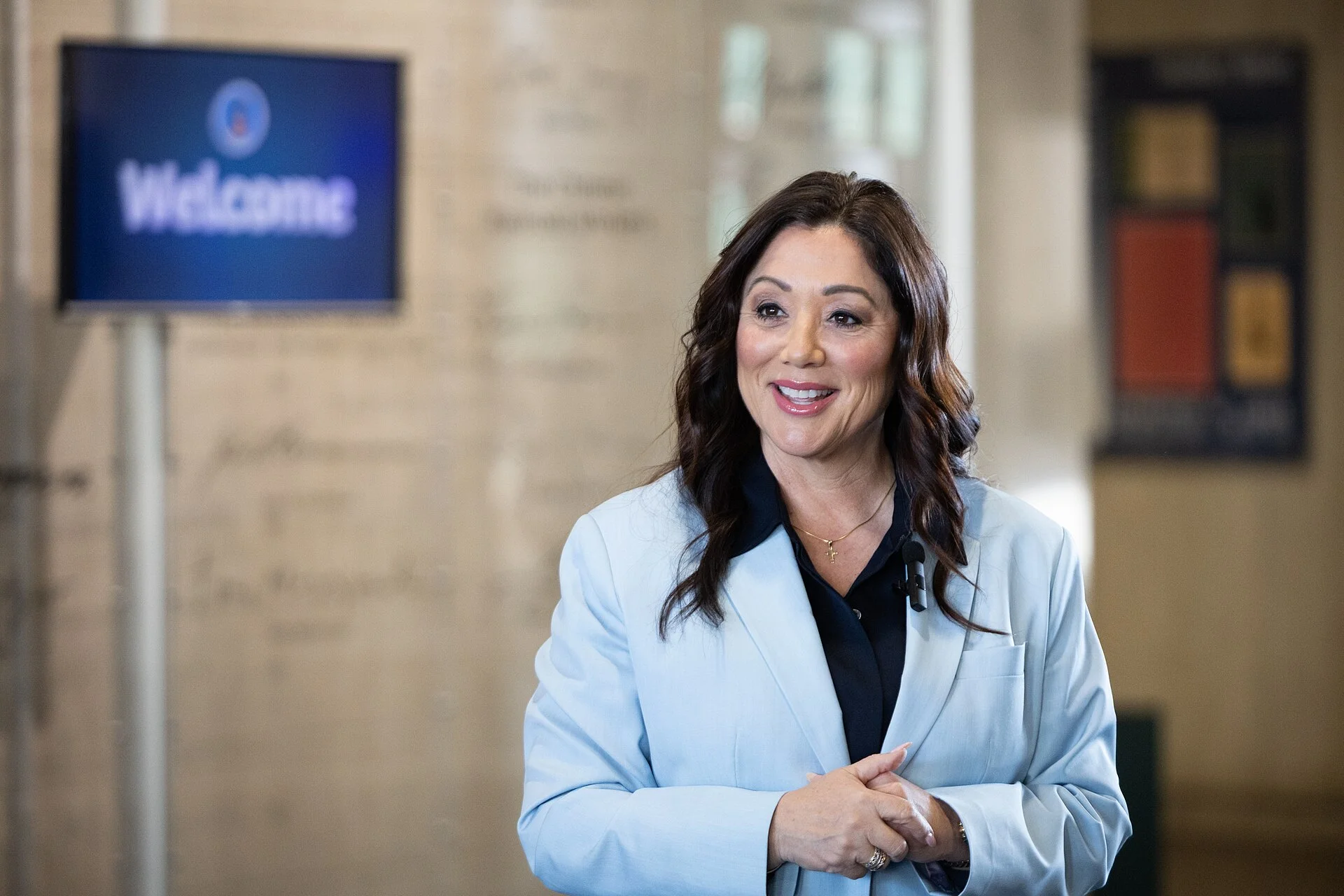
A resignation wrapped in praise, and controversy
The White House confirmed Chavez‑DeRemer’s departure on Monday in a statement from communications director Steven Cheung, who said she would be “leaving the Administration to take a position in the private sector” and praised her for “protecting American workers, enacting fair labor practices, and helping Americans gain additional skills to improve their lives.”
In her own statement, Chavez‑DeRemer called it “an honor and a privilege to serve in this historic Administration and work for the greatest President of my lifetime,” adding that she would “not stop fighting for American workers” as she moves into a private‑sector role. Her lawyer told NBC News that her decision “was not related to any legal issue but was instead a personal choice.”
But the timing is difficult to separate from the allegations swirling around her. Multiple outlets report that the Labor Department’s inspector general has been investigating Chavez‑DeRemer and several top aides since at least January, an inquiry that has already pushed senior staff onto administrative leave or out of their jobs.
Allegations of abuse of power
The accusations against Chavez‑DeRemer are unusually personal and detailed. Reporting from AP, TIME, NBC, and others, citing internal complaints and inspector general documents, lays out a list that includes:
- An alleged affair with a subordinate assigned to her security detail.
- Claims that she drank alcohol during the workday, including on department property.
- Allegations she used Labor Department resources for personal travel, instructing staff to frame family trips as official visits so that taxpayer money would cover flights and hotels.
The New York Post and Axios report that whistleblowers accused her of telling staff to fabricate official events in destinations she wanted to visit with family and friends, a pattern now under inspector‑general review. NBC says at least four officials, including her chief of staff and deputy chief of staff, left the department as the probe widened.
NPR, which first reported her impending resignation over the weekend, notes that the details of the internal investigation have not been independently verified, but that scrutiny of her conduct has consumed the department for months. The Associated Press similarly stresses that while allegations have been laid out in complaints, no criminal charges have been announced.
Chavez‑DeRemer and the White House have not publicly addressed the specific claims. Axios says administration officials have dismissed some of the allegations as “baseless,” even as they acknowledged the political damage of a drawn‑out ethics scandal.
Third Cabinet departure in a turbulent stretch
Chavez‑DeRemer is the third Cabinet‑level official to leave Trump’s administration in a matter of weeks.
In March, Trump fired Homeland Security Secretary Kristi Noem after sustained criticism over immigration enforcement and a $220 million border‑security ad campaign featuring her on horseback, spots that some lawmakers derided as taxpayer‑funded self‑promotion. Earlier in April, Attorney General Pam Bondi resigned amid frustration over her handling of the Justice Department, including management of Jeffrey Epstein case files and clashes with career officials.
The 19th News notes that all three departures, Noem, Bondi and Chavez‑DeRemer, involve women at the top of Trump’s second‑term Cabinet, sparking conversation about the administration’s culture and expectations for its female appointees. The White House, for its part, has framed each exit as part of a normal reshuffling as Trump “reorganizes his team” ahead of the midterms.
Still, the rapid turnover adds to perceptions of instability at the highest levels of the executive branch, particularly in agencies central to domestic policy: homeland security, justice, and labor.
Who steps in: Keith Sonderling as acting secretary
With Chavez‑DeRemer’s exit, Deputy Secretary of Labor Keith Sonderling will serve as acting labor secretary, Cheung said.
Sonderling, a former Equal Employment Opportunity Commission commissioner and labor attorney, thanked Trump for the opportunity in a statement and pledged continuity, saying the department will “remain focused on helping America’s workers and employers during this transition.”
The move buys the White House time to decide whether to nominate a permanent replacement who could face a bruising confirmation battle in a closely divided Senate, or to leave Sonderling in an acting role while the election calendar and the Iran war dominate the political agenda.
Labor‑policy advocates say the leadership vacuum could slow or derail ongoing rulemakings on overtime standards, independent‑contractor classifications, and workplace safety, depending on how aggressively Sonderling chooses to advance or revise Chavez‑DeRemer‑era initiatives.
Impact on workers and policy
Chavez‑DeRemer, a former Republican member of Congress from Oregon, came into office promising to “unleash American workers” by cutting what she called job‑killing regulations while expanding apprenticeship and training programs. Business groups applauded her efforts to roll back Obama‑era rules on joint employment and overtime thresholds, while unions accused her of tilting the playing field toward employers.
Her departure, labor experts say, is unlikely to immediately change the day‑to‑day work of the department, which is staffed by career officials across its Wage and Hour Division, OSHA, and the Employment and Training Administration. But it adds uncertainty to the longer‑term regulatory trajectory: a new secretary could re‑prioritize enforcement, adjust rulemaking timelines or recalibrate the department’s posture in high‑profile litigation.
Advocates for workers’ rights argue that the misconduct allegations themselves send a damaging message. “When the nation’s top labor official is accused of exploiting staff and misusing public funds, it undermines trust in the agency charged with protecting workers from exactly that kind of abuse,” one labor‑law scholar told The Washington Post.
Politics, optics, and the road to November
Chavez‑DeRemer’s resignation lands as Trump and Republicans brace for midterm elections in which control of Congress, and public judgment on the president’s handling of the economy and the Iran conflict, will be on the line.
Yahoo Finance notes that polls already show rising voter dissatisfaction with Trump’s economic policies, and that a string of Cabinet‑level ethics controversies feeds a broader narrative of mismanagement. Democrats have seized on the departures to argue that the administration is “in chaos,” while the White House insists it is simply refreshing its team.
For Trump, who has long cast himself as a businessman assembling the “best people,” losing three Cabinet secretaries in rapid succession, including his top labor, justice and homeland security officials, risks undercutting that message.
What comes next
The inspector general’s investigations at the Labor Department will continue, even with Chavez‑DeRemer gone. Findings could still be referred to the Justice Department for potential civil or criminal action or result in policy recommendations and internal discipline for remaining staff.
Congressional Democrats are likely to demand briefings and may call hearings on the allegations and the department’s culture under Chavez‑DeRemer, particularly with respect to whistleblower protections and the handling of civil‑rights complaints.
In the meantime, Keith Sonderling inherits a vast portfolio that touches everything from minimum‑wage enforcement and worker misclassification to mine safety and pension oversight, and he will do so under the shadow of a predecessor whose tenure is now defined less by policy than by the misconduct claims that drove her from office.
For American workers, the headline may read like yet another Washington scandal. But inside the Labor Department, the question is more practical: whether the agency can steady itself quickly enough to keep doing its day‑to‑day job while the political drama plays out above it.