New York City is spending Super Bowl Sunday in a deep freeze, with air temperatures stuck in the teens and “RealFeel” readings plunging well below zero under an Extreme Cold Warning that forecasters say brings the most dangerous chill the city has seen in years. Meteorologists warn that frostbite is possible in as little as 15–30 minutes on exposed skin, turning what is normally a busy winter weekend of errands and watch parties into a test of how well the city can hunker down.
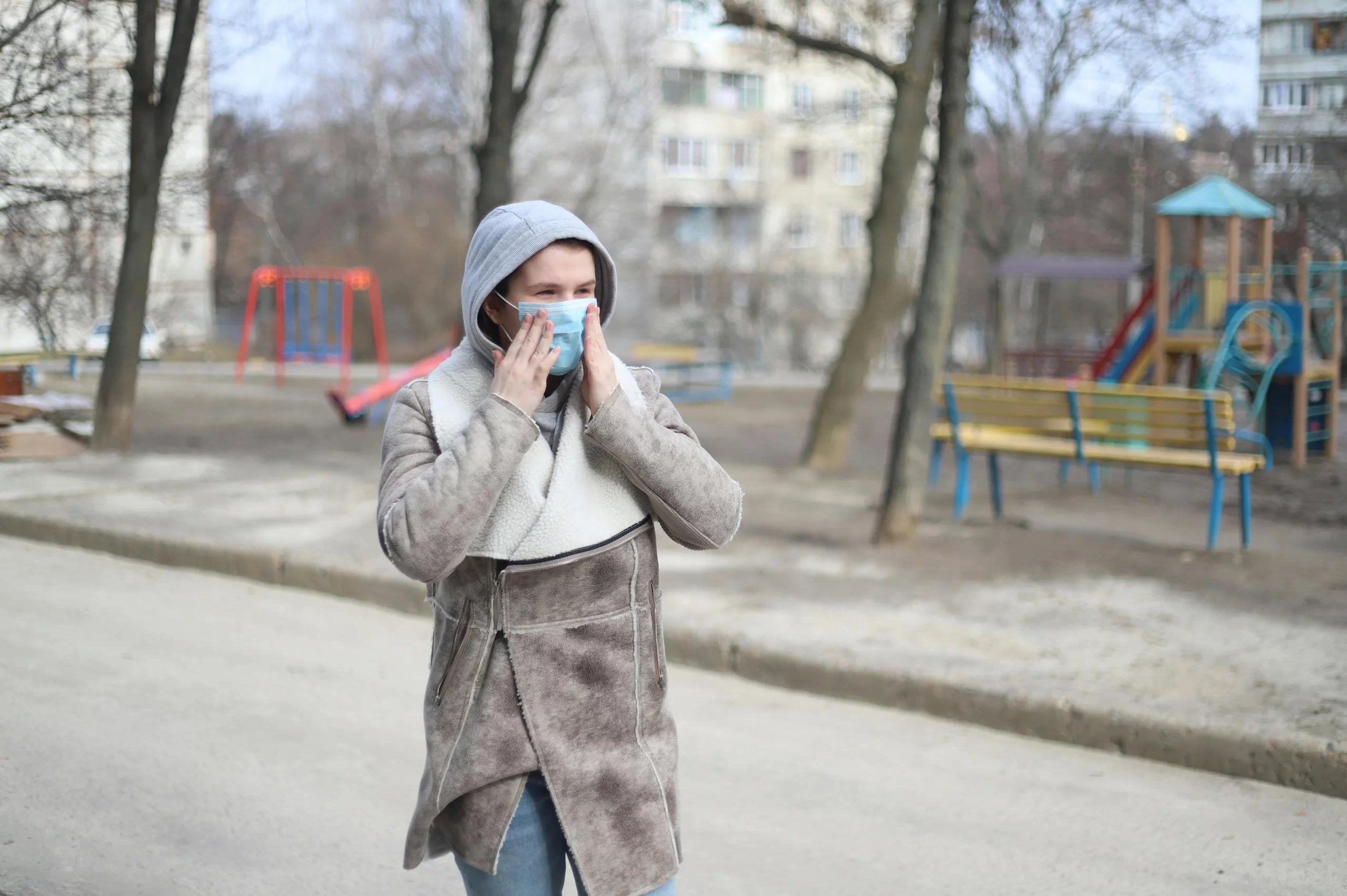
How cold is it in NYC this weekend?
A strong Arctic blast that settled over the Northeast on Saturday has pushed New York into its coldest stretch of the season, with temperatures far below normal even by February standards.
According to the National Weather Service (NWS) and local outlets:
- In Central Park, the forecast low early Sunday is around 3–7°F, with a daytime high only near 17–19°F despite sunshine.
- Across the city, overnight lows this weekend have hovered in the low single digits, with parts of the outer boroughs and suburbs dropping below zero.
- By comparison, the long‑term average February temperature in NYC is about 36°F, making this weekend’s highs and lows more than 15–20 degrees below normal.
CBS New York notes that Central Park’s projected low of 3°F would match the coldest reading recorded there since February 4, 2023.
Secret NYC, citing real‑time data late Sunday morning, reports that while the air temperature in Central Park is around 8°F, wind gusts near 17 mph have driven the RealFeel temperature to about ‑10°F, colder than the same measure at the North Pole.
Wind chills and frostbite risk
What makes this weekend especially dangerous is not just the low thermometer readings but the combination of cold and wind.
- NWS has issued an Extreme Cold Warning for New York City through early Sunday afternoon, alongside a separate Cold Weather Advisory into Monday morning.
- The agency and city emergency officials warn that wind chills will frequently be below zero, with some forecast guidance pointing to “feels‑like” temperatures of ‑10°F or colder at times.
Gothamist reports that in such conditions, frostbite on exposed skin can develop in as little as 30 minutes, a risk level more commonly associated with the upper Midwest than Midtown Manhattan. AccuWeather meteorologist Tom Kines told the New York Post that with forecast lows near 4°F and wind chills as low as ‑20°F, anyone “not adequately bundled up” and outside for more than half an hour could face “serious risks of frostbite and hypothermia.”
Secret NYC quotes NWS guidance calling this “not a typical winter chill – it’s a public health crisis,” warning that the cold also raises the risk of cardiac strain for older adults or those with underlying heart conditions.
Alerts, timelines and when it eases
Multiple overlapping alerts are in place:
- An Extreme Cold Warning for NYC, issued by NWS New York, covers the worst of the conditions through Sunday around 1 p.m., focusing on dangerously low wind chills.
- A broader Cold Weather Advisory from NWS and NYC Emergency Management extends to Monday 10 a.m., reflecting ongoing overnight risks even as daytime highs start to creep upward.
The hour‑by‑hour picture, based on NWS and local forecasts:
- Sunday daytime: Sunny but bitter, with highs in the mid to upper teens, north‑west winds 20–30 mph keeping wind chills near or below zero.
- Sunday night: Mostly clear, lows around 10–12°F; winds gradually ease, but any breeze will keep it feeling well below freezing.
- Monday: Sunshine returns with highs recovering into the mid‑20s to near 30°F, a noticeable but still chilly improvement.
Forecasters stress that no major storms are expected in the next week, and that temperatures should rise back into the 30s and then 40s by mid‑February, offering a break from the extreme cold.
How this cold compares, and why it matters
This weekend’s chill stands out even in a city used to winter:
- Weather history sites show typical February highs in the mid‑30s and lows around the high 20s, with average monthly temperatures near the freezing mark.
- The current pattern, with single‑digit lows and teens for highs, matches or exceeds the coldest snaps of recent winters and is forecast by AccuWeather to be “likely the coldest that New York City will experience for the rest of the winter season.”
The cold has ripple effects that go beyond discomfort:
- Infrastructure and transit: Extreme cold can stress older heating systems, freeze pipes, and make platforms and stairways slick, even when skies are clear. City agencies have warned of possible heat and hot‑water outages in some buildings.
- Homelessness and vulnerable residents: NYC Emergency Management has activated Code Blue protocols, expanding shelter access and outreach as unsheltered New Yorkers face potentially lethal conditions outdoors.
- Super Bowl Sunday plans: With many people planning to travel to bars or friends’ apartments for the game and the Bad Bunny halftime show, officials are urging residents to limit time outside, layer up and avoid long waits in the cold, particularly late at night.
Secret NYC notes that the clear skies and bright sun can create a misleading sense of safety: it may look like a picture‑perfect winter day, but the lack of cloud cover lets heat escape rapidly, deepening the overnight freeze.
Safety advice from officials
City and federal agencies are offering familiar but urgent guidance for this weekend’s temperatures:
- Limit time outdoors. If you must be outside, keep skin covered, especially hands, ears and face, and take frequent indoor breaks.
- Layer clothing. NWS and NYC Emergency Management recommend several loose, warm layers, a hat, gloves, scarf and insulated, dry footwear; cotton alone is discouraged because it holds moisture.
- Check on vulnerable people. Older neighbors, people with chronic illnesses, young children and those without reliable heat are at higher risk; officials urge check‑ins by phone or in person, where safe.
- Use space heaters and stoves safely. Authorities warn against using ovens for heat and stress that space heaters should be kept clear of flammables and plugged directly into wall outlets, not power strips.
With schools and many offices open on Monday, transit agencies are also advising riders to factor in extra time and dress for potentially lengthy waits if delays occur.
The week ahead
The headline for New Yorkers is that the worst of the cold should be short‑lived, but the broader pattern remains wintry:
- Short‑range outlooks show highs climbing back into the upper 20s and low 30s early in the workweek, then into the 40s by mid‑month.
- Long‑range forecasters caution, however, that after a brief thaw, another spell of below‑normal temperatures is possible late in February, with highs back in the 20s.
For now, the message from meteorologists and city officials is simple: treat this weekend’s temperatures with the same respect you would a major snowstorm. The skies may be clear, but for much of New York, stepping outside for more than a few minutes without proper protection could be the most hazardous part of Super Bowl Sunday.