Rudy Giuliani, the former New York City mayor who became known as “America’s Mayor” after the September 11 attacks, has been hospitalized in Florida in critical but stable condition, his spokesperson said Sunday, adding a new layer of uncertainty to the twilight of one of the most polarizing careers in US politics.
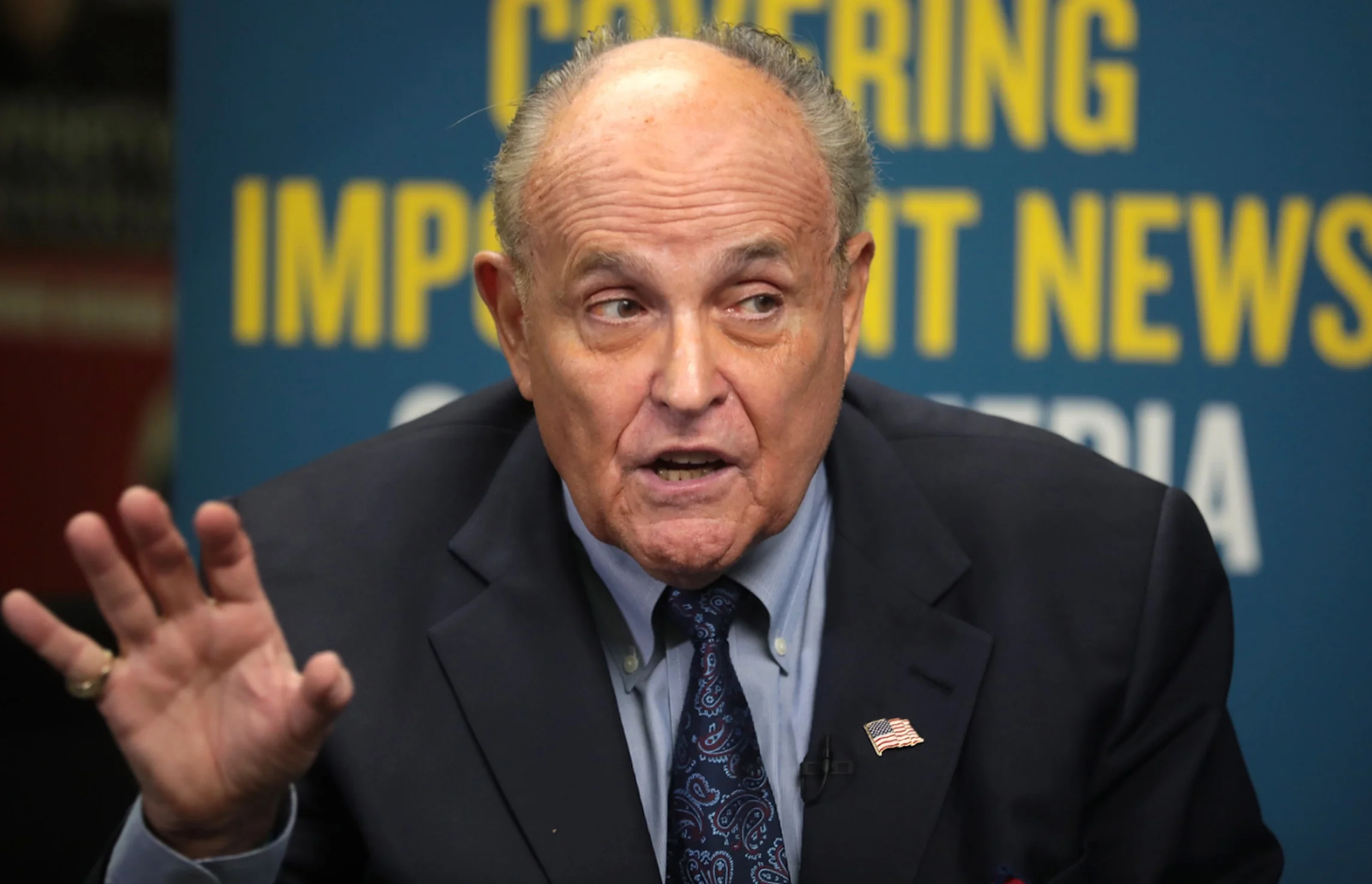
Ted Goodman, Giuliani’s longtime aide and spokesman, did not disclose why the 81‑year‑old was admitted or which facility is treating him, citing privacy concerns. In a statement posted on X, Goodman said Giuliani “is a fighter who has faced every challenge in his life with incredible strength, and he is fighting with that same resolve right now,” and urged supporters to keep him in their prayers.
A terse statement and many unanswered questions
News of Giuliani’s condition broke late Sunday after Goodman posted an update on X confirming that the former mayor “is currently in the hospital, where he remains in critical but stable condition.” Goodman offered no details on when Giuliani had been admitted, what symptoms he experienced, or what doctors have diagnosed.
The New York Times reported that Giuliani is being treated at a hospital in Florida, where he has spent increasing amounts of time in recent years, though the paper also said it could not confirm the facility’s name.
On Friday, during his “America’s Mayor Live” webcast on X, Giuliani told viewers that his “voice is a little under the weather,” warning he might not speak as loudly as usual and coughing several times throughout the broadcast. It is not clear whether those symptoms are linked to his hospitalization.
This is not Giuliani’s first health scare. CNN notes that he spent several days in hospital in 2020 after contracting COVID‑19 and was briefly hospitalized in 2022 after a car accident in New Hampshire.
Trump calls him a “warrior” and revisits old grievances
Within hours of Goodman’s announcement, Donald Trump weighed in on Truth Social, describing Giuliani as “our incredible Rudy, a True Warrior and the best mayor in the history of New York City, BY FAR,” and confirming that he was in critical condition.
Trump also used the post to re‑air grievances, blasting “Radical Left Lunatic Democrats” and media critics he said had “treated [Giuliani] so badly,” accusing them of trying to “destroy our country” with “fabricated stories” and investigations.
The message underscored both Giuliani’s central role in Trump’s orbit and how closely the former president has tied his ally’s fate to his own narrative of persecution. CNBC points out that Giuliani served as Trump’s personal lawyer during and after the 2020 election, leading legal and political efforts to challenge Joe Biden’s victory.
In New York, current city leaders offered a more restrained tone. Local outlets report that City Hall released a brief statement wishing Giuliani “strength, good health, and a full recovery to a man who devoted much of his life to public service,” while declining to comment on his political controversies.
From “America’s Mayor” to embattled Trump loyalist
Giuliani’s hospitalization comes at an especially fraught moment in his public life.
As mayor, he was widely credited, and sometimes criticized, for aggressive policing and quality‑of‑life campaigns that coincided with a steep drop in crime in the 1990s. His steady presence and rhetoric after the September 11 attacks led Time and other outlets to describe him as “America’s Mayor,” a label that followed him into speaking tours and a 2008 presidential run.
In more recent years, however, Giuliani’s reputation has been consumed by his role in Trump‑era politics:
- He became Trump’s personal attorney, leading efforts to dig up damaging information on Joe Biden and pushing unsubstantiated claims of widespread election fraud in 2020.
- He faced state and federal investigations, including charges related to election interference in Georgia and defamation lawsuits from voting‑machine companies and election workers.
- In 2023 and 2024 he was suspended or disbarred in multiple jurisdictions over his conduct, further shrinking his legal practice and income.
Those cases have left him facing steep legal bills and potential damages. NBC notes that Giuliani has repeatedly said he is under “tremendous financial pressure” and has sought help from supporters, even as his own name has become shorthand for election denial and hard‑edge Trumpism.
A fraught legacy in New York and beyond
News of Giuliani’s hospitalization has prompted a fresh round of debate over his legacy in New York and American politics.
For many New Yorkers, he is still the mayor who led the city through its darkest days after the attacks on the World Trade Center, appearing daily at Ground Zero, consoling families and insisting that “the city is open for business.” For others, he is the architect of policing strategies that disproportionately targeted Black and Latino communities, and later a figure who amplified conspiracy theories and sought to overturn an election.
That split is now framing coverage of his health scare: obituaries‑in‑waiting and commentary pieces weigh two very different Giulianis, even as friends and critics alike acknowledge that he played outsized roles in two of the most consequential chapters in recent U.S. history — 9/11 and the Trump presidency.
What happens next
For now, Giuliani remains in hospital as doctors work to stabilize him, and his team keeps details close. Goodman has promised to share updates “at the appropriate time,” leaving reporters and the public to read between the lines of terse statements and a short clip of Giuliani’s cough‑plagued broadcast days earlier.
Whatever the medical outcome, the sight of Rudy Giuliani in critical condition at 81 inevitably sharpens questions that have hovered over his twilight years: how a man once emblematic of New York’s resilience came to be defined by a bid to overturn an election, and how history will ultimately balance those two stories when it writes the final version of his life.