The latest developments in the Strait of Hormuz have turned one of the world’s most important shipping lanes into a live test of military power, maritime law, and oil-market nerves, with the United States launching a new effort to “guide” stranded commercial vessels while Iran warns Washington to stay out. The immediate risk is not just another naval incident; it is a prolonged disruption that could keep tanker traffic constrained, keep crude prices elevated and drag the Iran conflict into a wider economic showdown.
What happened most recently
On Monday, the U.S. said it would begin an operation to guide commercial vessels out of the Strait of Hormuz, a choke point linking the Gulf to the Arabian Sea and one of the world’s most strategically important shipping lanes. President Donald Trump described the effort — dubbed “Project Freedom” — as a humanitarian move to help ships stuck in the Gulf after Iran’s closure of the strait and a U.S. naval blockade.
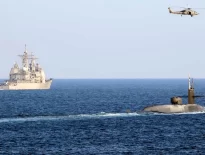
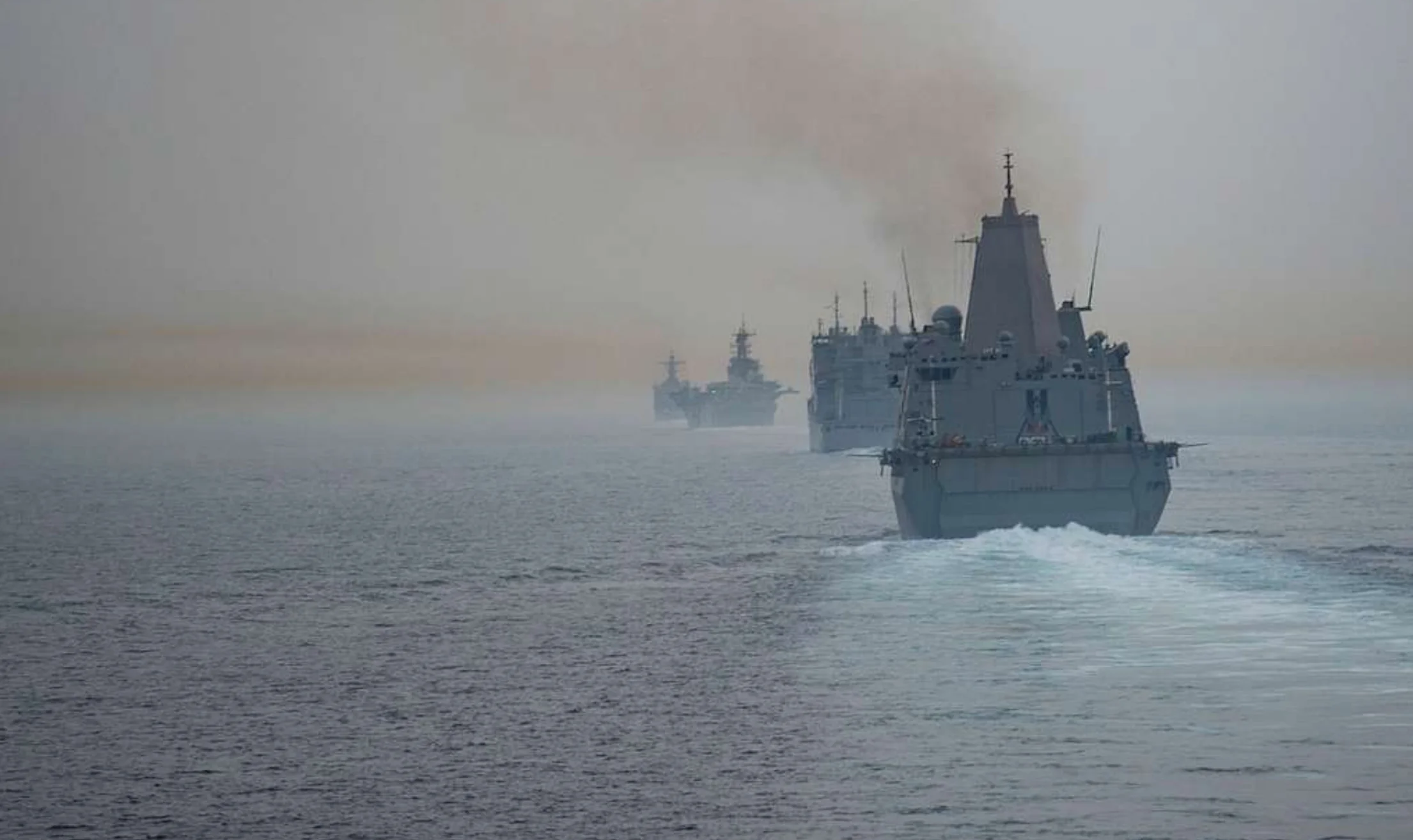
The U.S. military says the mission will involve more than 100 aircraft and about 15,000 personnel, including guided-missile destroyers and multi-domain unmanned platforms, though officials have not clarified whether the force will physically escort ships or merely provide armed routing support.
At the same time, Iranian officials have kept up their hard line. Iran’s Fars news agency and state media said the Revolutionary Guards issued fresh warnings after what they described as incidents involving U.S. vessels and commercial ships near the strait. Tehran has said repeatedly that any ship not linked to the U.S. or Israel may transit only under conditions it sets, including a reported toll arrangement, and that Hormuz will not return to “prewar” conditions.
Why Hormuz matters now
The Strait of Hormuz is only about 33 kilometers wide at its narrowest point, but it carries a huge share of the world’s seaborne oil and liquefied natural gas. That makes it one of the most important — and vulnerable — trade arteries on the planet.
When traffic slows or stops there, the effects are immediate:
- Oil prices spike as traders price in supply disruptions.
- Shipping insurers raise premiums, making it more expensive for tankers and cargo vessels to pass.
- Global freight routes shift, forcing ships to wait, reroute or sail under protection.
That is why even a limited attack on a cargo ship or a warning from Iran’s navy can move markets. Fox News and the UK Maritime Trade Operations center reported a cargo ship attack near the strait over the weekend, while Reuters said Iran’s media claimed a U.S. warship was struck by missiles as it attempted to enter the waterway.
The U.S. move: protection or escalation?
Washington’s justification is straightforward: it wants to restore confidence in a key global corridor and prevent stranded vessels from becoming hostages to the conflict. The U.S. and its partners have also framed the operation as a response to rising economic harm, not just a military mission.
But Tehran sees something else entirely. Iranian officials say the U.S. presence amounts to a violation of the ceasefire and a further attempt to impose military control over a waterway Iran considers part of its security perimeter. Al Jazeera reported that Tehran’s live updates described the mission as a provocation, while Iran’s Deputy Parliament Speaker said the country “will not back down” from its position on Hormuz.
That makes the new operation a high-wire act: if U.S. ships escort merchants safely through, Washington can claim it stabilized commerce; if the presence triggers another attack, the mission could become the next flashpoint in an already volatile war.
How this affects oil and trade
Markets are already reacting. Reuters and CNBC have linked earlier crude spikes to ship attacks and the broader risk that the strait remains partially closed or militarized. If transit remains restricted, analysts expect:
- Brent and WTI prices to remain elevated because traders will continue to price in a supply shock.
- Asian importers such as India, China, Japan, and South Korea to face higher transport and energy bills.
- Freight rates to climb as carriers demand a premium for riskier voyages.
A prolonged standoff could also weaken confidence in the idea that Hormuz is a neutral global trade route, replacing it with a world in which every voyage is shaped by geopolitics, escort agreements and naval deterrence.
What to watch next
Three developments will determine whether Hormuz calms down or gets worse:
- Whether the U.S. mission stays defensive or begins full ship escorts through the strait.
- Whether Iran follows through on threats to attack or board vessels it sees as hostile.
- Whether shipping resumes enough to ease oil markets, or whether insurers and carriers continue to treat the corridor as too risky.
For now, the Strait of Hormuz remains exactly what it has long been in periods of crisis: a narrow channel with oversized consequences, where one incident can alter global markets, diplomatic calculations, and the next phase of war in the Gulf.