
Cairo, Nov. 2, 2025 – Egypt has opened its vast National Museum of Egyptian Civilization (NMEC), following almost two decades of preparation, and waiting, an outstanding achievement that reinforces the country’s position as a steward of one of humanity’s oldest continuous cultures.
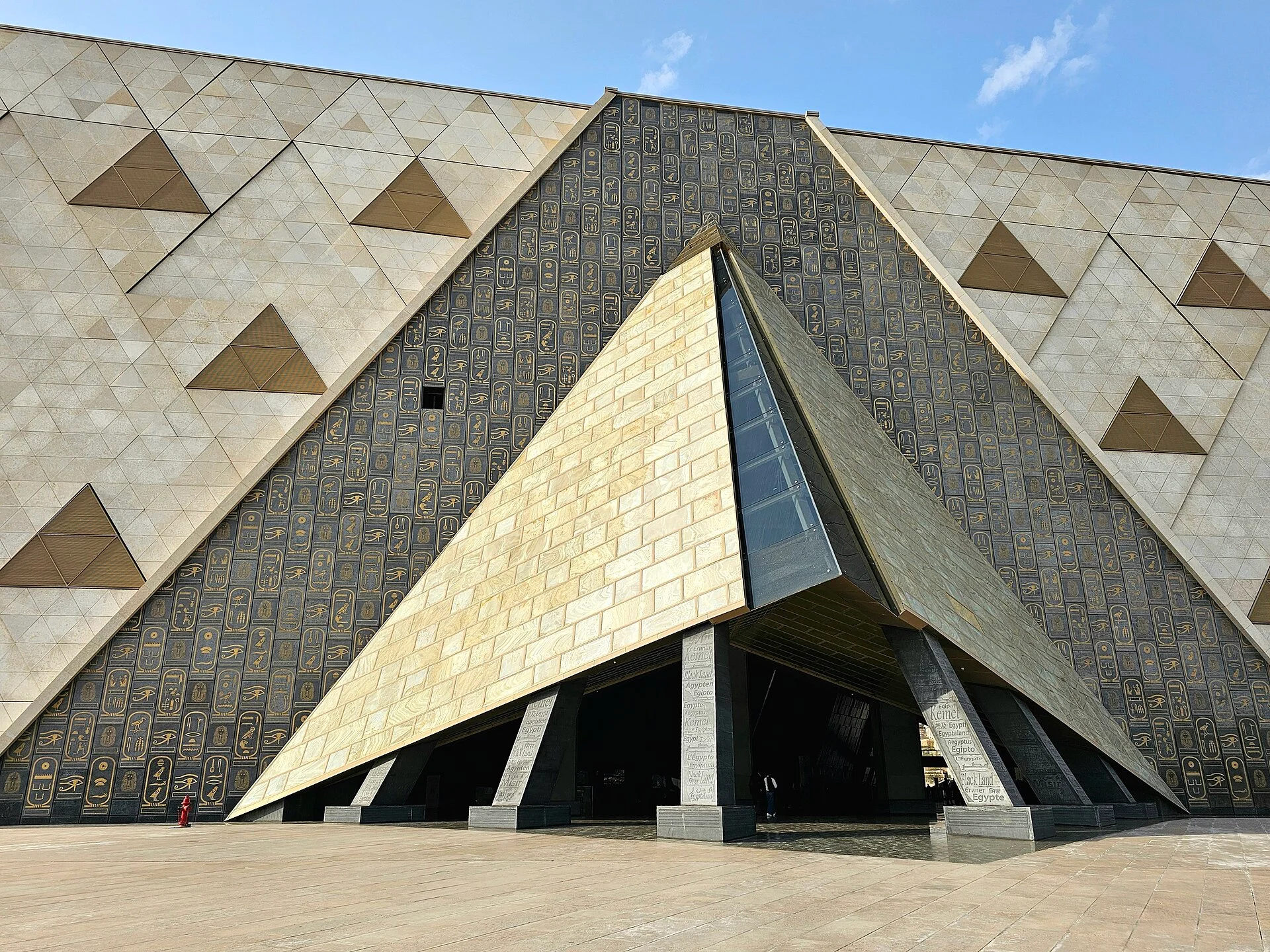
Located within the historical boundaries of Fustat, near Cairo, the vast museum represents the largest and most holistic celebration of Egypt’s 7,000-year-old civilization, a unique experience that takes the visitor across the Pharaonic, Greco-Roman, Coptic, Islamic, and contemporary periods.
A Triumph of Heritage: The National Museum of Egyptian Civilization Opens
The NMEC embodies a dream imagined in the early 2000s when planning began in 2005 and underwent two attempts prior to the events that led to Arab Spring political turbulence and COVID-19 postponement. With a massive 32,000 square meter space comprising over 50,000 artifacts, all curated to tell the story of Egyptian civilization and culture across epochs.
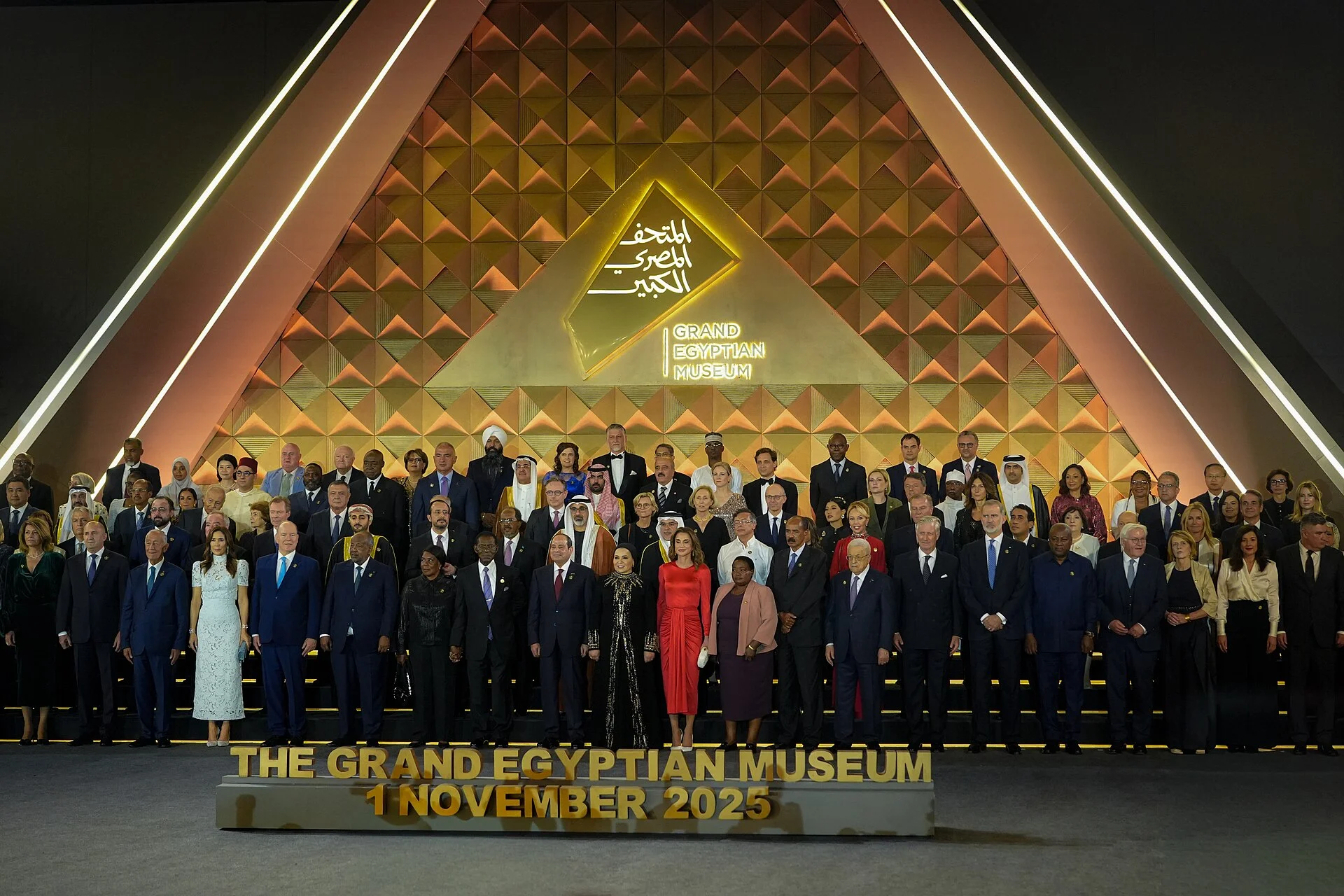
The museum’s numerous fanfare events were a spectacle and attracted local and global dignitaries, archaeologists, historians, and the cultural elite. President Abdel Fattah el-Sisi called the NMEC the safeguard of “the brilliance of ancient Egyptians and the creativity of modern Egyptians.” He also stated that the NMEC would foster appreciation for civilization and knowledge in Egypt and abroad.
Immersive Journey Through Egypt’s Diverse Past
The NMEC adds experience to displaying educational materials other than conventional display. Utilizing technology, various types of multimedia presentations, and experiential exhibits, contextual artifacts in a comprehensive exposition of Egypt’s diverse history. Visitors share in the experience of historical pharaonic lifestyle and culture, but will appreciate the strength of the Christian and Islamic contributions and modern Egypt through a themed display.
As one of the museum highlights, the Royal Mummies Hall contains 22 royal mummies, each transported to NMEC as part of the internationally acclaimed 2021 “Pharaohs’ Golden Parade” and serve as symbols of Egypt’s reverence and decency while demonstrating Egypt’s pride in the preservation of its ancestors and heritage.
Along with pharaonic legacy, visitors will experience extraordinary objects from the Old Kingdom, faithfully preserved burial items, Coptic manuscripts depicting early Christian Egypt, Islamic ceramics, and modern artistic contributions to Egypt’s critical thinking and cultural expression, all of which curated together allow visitors to appreciate the culture’s timeline and resilience.
Economic Impact and Cultural Revival
The opening of the NMEC is not simply a cultural landmark; it is an intentional effort to revive Egypt’s tourism industry which has been a critical, if not vulnerable, part of the economic structure. With more than five million visitors expected each year, the museum adds to iconic tourist destinations such as the Pyramids of Giza and Luxor temples to support Egypt’s potential as a global cultural tourism destination.
This additional tourism relates to the infrastructure investment done by President El-Sisi to facilitate better transport connections between these sites, and improved airports to create the possibility of an ambitious tourism growth opportunity for Egypt. Thus, the NMEC is intended to represent national pride, cultural affirmation, and economic optimism.
International Collaboration and Future Vision
The NMEC relies on extensive international collaborations involving UNESCO, foreign archaeological missions, and some of the most prestigious museum professionals in the world. These partnerships reflect Egypt’s role as a steward of a shared world heritage and the willingness and openness of international scientific exchange and cultural diplomacy.
The NMEC has the ambition of broadening future digital offerings and educational outreach program for Egyptian youth and global communities. This viability will provide deeper connectivity and stewardship for preservation for the future.