In a watershed moment in global diplomacy, the UN Security Council voted to lift sanctions on Syria’s transitional President Ahmed al-Sharaa, and the Minister of Interior Anas Khattab. The vote, conducted on November 6, 2025, represents a historic change in the international community’s previously absolute condemnation of Syria as it indicates the international community’s confidence in the new ruling faction following Iraq’s political upheaval after the 2024 Situation.
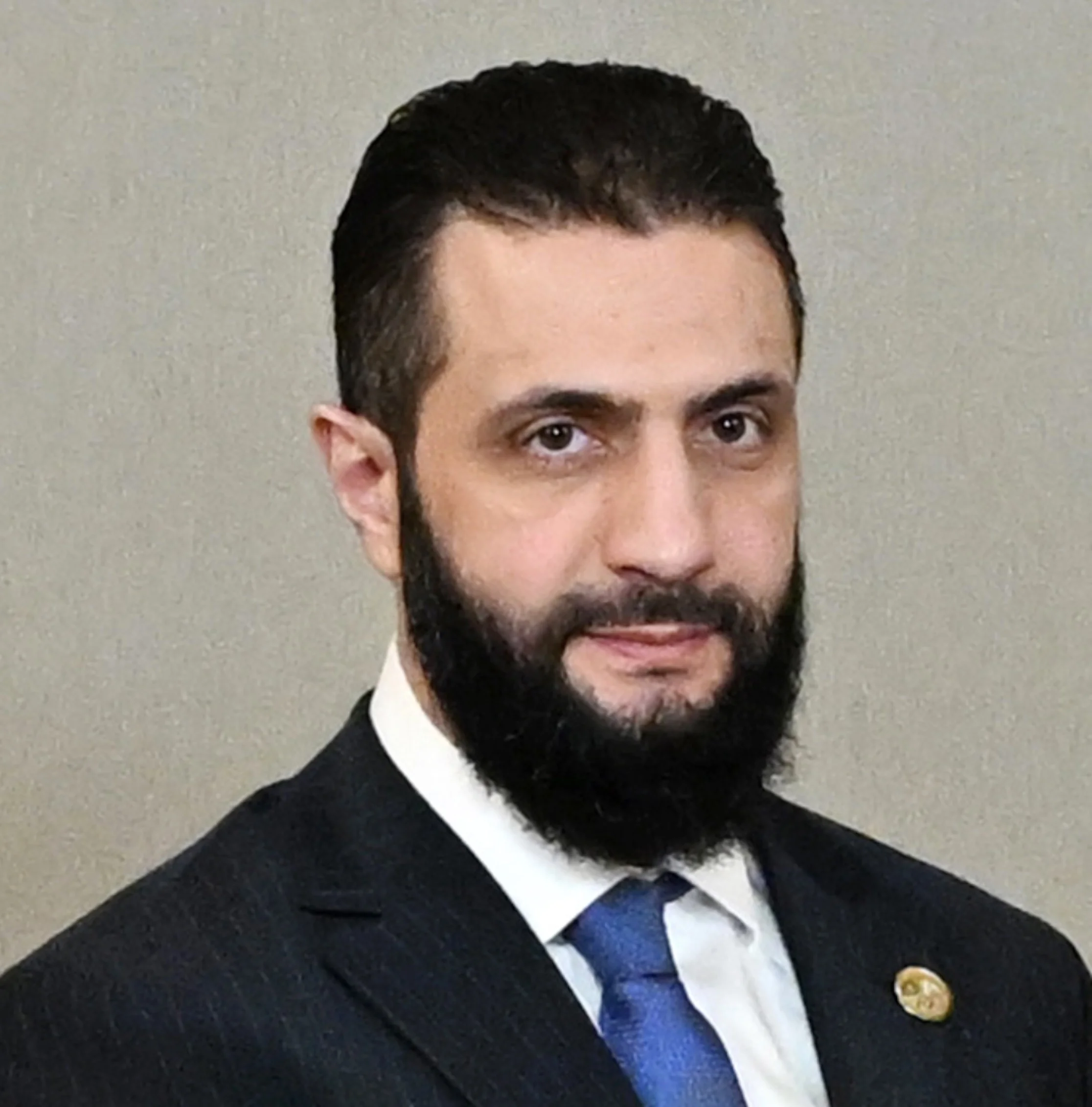
UN Security Council Lifts Sanctions on Syria’s President and Interior Minister
In the resolution drafted and sponsored by the US, the UN Security Council voted to delist Ahmed al-Sharaa, President of Syria, and Anas Khattab, Minister of Interior, from sanctions related to their association with territories associated with ISIS (Daesh) and al-Qaeda with 14 in favor and one abstention from China. This vote reflects cautious optimism in the international community for Syria’s pathway to stabilization and reconstruction after years of civil war.
The sanctions included asset freezes, travel bans, and prohibitions on arms dealing to deter terrorism support. Following the establishment of the transitional government’s commitment to peace, support for reconstruction, and continuing the fight against terrorism abroad, the Security Council has indicated a willingness to provide relief to enable Syria’s coalition integration back into the international diplomatic apparatus and reconstruction processes in the country that has suffered from a brutal civil war.
Background: Political Transition in Syria
In December of 2024, and almost 14 years after the onset of brutal civil conflict, Bashar al-Assad was deposed from power after a rapid military campaign executed by the Islamist group Hayat Tahrir al-Sham (HTS). Ahmed al-Sharaa transitioned into president after al-Assad’s fall from power after ruling Syria since the early 1970s.
HTS was previously designated a terrorist organization with ties to al-Qaeda, however, as seen in 2025, the US and UK retracted their designation as they noted distinguishable deviations in HTS behavior. Al-Sharaa is a new political figure in Syria. His stated mandate is to restore stability and governance in the fractured political environment of Syria.
International Implications and Reactions
The lifting of sanctions is more than symbolic as it will create an avenue for support for diplomatic discussions, from humanitarian assistance to prompting economic investment that sanctions limited. The Minister of Foreign Affairs of Syria Asaad al-Shaibani noted the designation was “a recognition of Syrian sovereignty” which was necessary to restore and reconstruct the war-torn nation.
US Ambassador to the UN Mike Waltz called it a, “strong political signal” marking a period of renewed Syrian integration. The US and the coalition of international partners stated their commitment to the fight against terrorism and repurposing sanctions mechanisms to document any additional ongoing human rights abuses in Syria, while moving into a new diplomatic framework in Syria. With the lifting of sanctions for the leadership of Syria, President al-Sharaa is likely to be able to make the trip that has been planned to meet President Trump in the White House for the first time in 80 years which noticeably demonstrates an increase in diplomatic relations between the countries.
China’s abstention addresses the collective’s concerns about the prospects of intentional diverging trajectories of the Syrian Diplomatic relationship within the international frameworks presently shared by the international community. Additionally, the envoy from Russia to the UN reiterated the reaffirmation of the unity of Syria and the sovereignty of Syria during the UN meeting, suggesting a divergence in geopolitical considerations in the current dilemmas in the Region of Syria.
Challenges Ahead for Syria
Syria is still confronted with enormous problems in governance, rebuilding, and national reconciliation, despite diplomatic accomplishments. The economy is devastated, and millions of Syrians are still suffering in relation to displacement and poverty. The transitional government led by al-Sharaa stated it is prepared to work with the international community to replenish infrastructure and public services and meet humanitarian requirements, despite ongoing regional turmoil, which could complicate those goals.
Human rights groups and some opposition forces are still doubtful about the barely existing intention of the leadership to implement real reform. They point to continuing violations of human rights, as well as an absence of an atmosphere for political dialogue that includes all segments of society as major barriers to achieving sustainable peace.