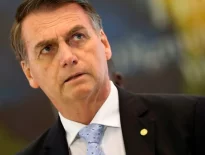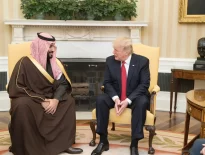
The peace plan for Ukraine proposed by President Donald Trump has sent shockwaves through international diplomacy, earning strong condemnation from Kyiv, skeptical interest from Moscow, and growing concern in Europe and the U.S. national security community. The proposal, which includes an ambitious 28-point agreement, contains controversial elements that would alter Ukraine’s military, preclude NATO membership, and fully lift any sanctions on Russia if executed, each seen as beneficial to Moscow.
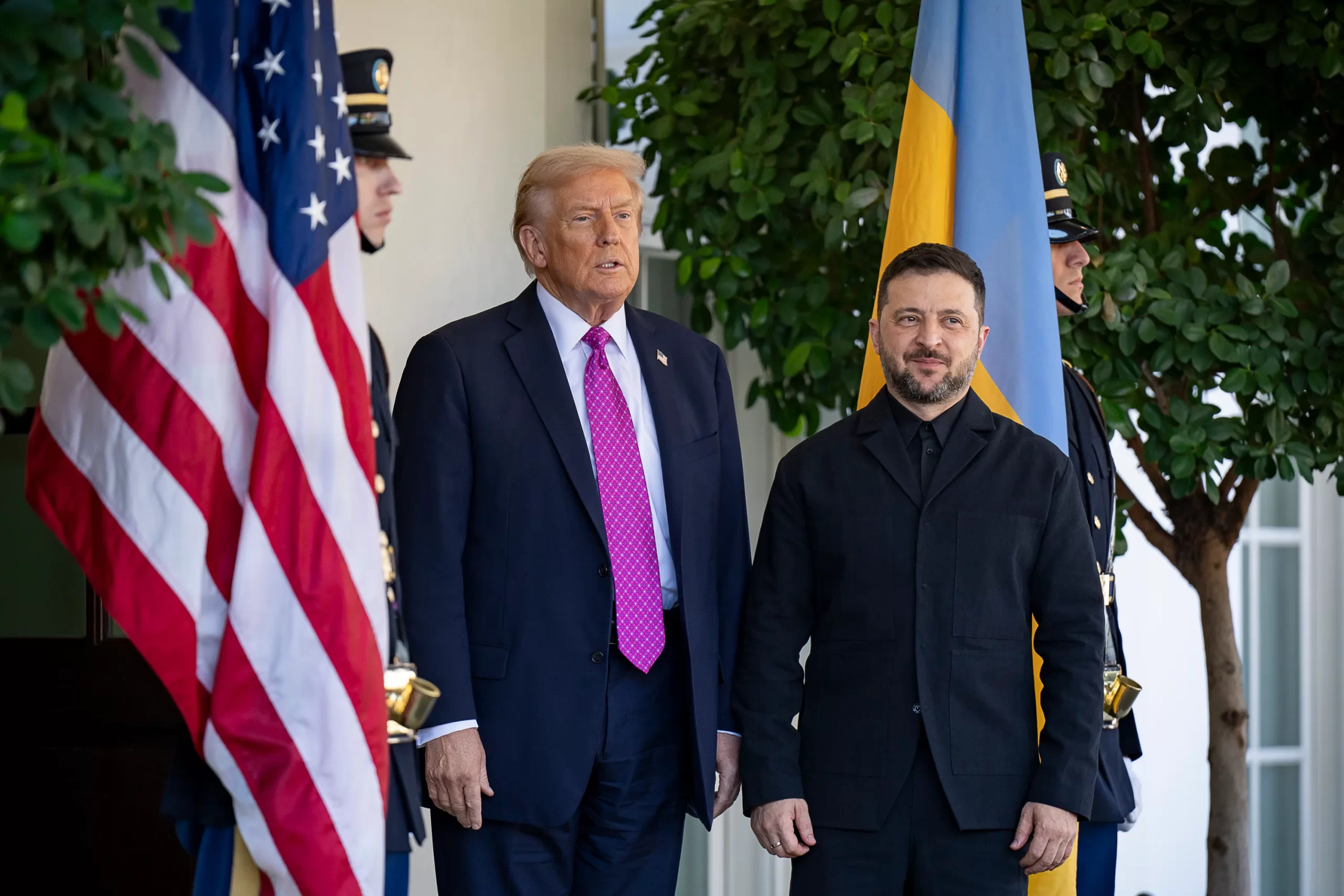
Given a deadline during Thanksgiving week and a direct instruction from the United States to Ukraine to sign the plan or risk losing military aid, the proposal has quickly become a test of western unity and of the political will of Ukraine, and President Zelensky.
What Is in Trump’s Ukraine Peace Plan?
Put together by Trump’s envoy Steve Witkoff and discussed in secret meetings in both Miami and Ankara, the proposal provides a clear framework for an immediate permanent ceasefire, but a heavy price for Ukraine:
Military Limitations: Ukraine must limit its armed forces to 600,000 troops, give up long-range missiles, cut back on heavy weapons, and allow inspections by international monitors of its weapons stockpile.
Permanent Neutrality: Ukraine must mean “permanent neutrality” in its constitution and never join NATO. In return, NATO would agree not to send troops or weapons to Ukraine. European fighter jets could only be deployed in adjacent countries, ie Poland, with “security guarantees” if Russia violated the renewed ceasefire, with shaky language protecting NATO.
Concessions to Russia: Russia would have all western sanctions lifted and assurance of “reintegration into the global economy.” Ukraine would also have to adopt broad language protections (likely tapping into Kremlin talking points), and a “rejection of Nazi ideology”, in reference to Moscow’s time-honoured (and widely dismissed) accusations about Ukraine’s far right.
Territorial Status: It is still somewhat unclear, but, as reported in the media, the draft proposal acknowledges the established territorial lines, anticipates future referendums on the Russian-occupied territories, and the return of civilian detainees and children, “for humanitarian purposes”. There is also a requirement to hold elections in Ukraine within 100 days of the signing.
U.S. Compensation: The proposal would have Ukraine compensate the United States for military, intelligence, and financial assistance it has provided since the beginning of the war, a provision that has been met with severe backlash from the Ukrainian government.
The Pressure Campaign: U.S. Leverage and European Resistance
Trump’s White House has given Kyiv a firm Thanksgiving deadline to agree to these proposals, while stating that failure to do so results in a cessation of weaponry, intelligence, and economic aid from the U.S. – “at some point he’s going to let something happen,” Trump told reporters. This blunt style has been since rebuked by Zelensky, who has called it a “betrayal,” and has left European officials scrambling to write their own proposals.
Washington’s position is viewed as a dramatic shift in transatlantic policy. As of now, the proposal does not have formal relatives, including Congress and America’s key allies in Europe, many of whom are uncomfortable with the lack of long-term guarantees and feeling that Washington has abandoned Ukraine’s NATO and EU aspirations.
Moscow: Quiet Approval
Russian President Vladimir Putin has endorsed the plan, saying the Kremlin is “ready to support” the framework, describing it as “the most realistic path toward peace” since the war started. It is uncertain exactly how Moscow would understand or implement the agreement , especially around occupied territorial claims and observations/international relationship structures. Still, the Kremlin has broadly endorsed the framework, claiming that it “respects Russia’s security needs and rejects NATO expansion,” which are, of course, the core demands of Russia since 2014.
Kyiv’s Response: Vows Not to Betray
Zelensky declared in a striking video message, it is “one of the most challenging moments in our history,” and pledged not to “cave” to Ukraine for the sake of expediency. He announced Ukrainian negotiators will offer alternatives, and he will gain international support against what he calls a “capitulation plan.” Senior Ukrainian security officials deny that they have agreed to anything, and they are still in consultation with European partners, adding the incipient plan could lessen Ukraine’s ability to sustain its sovereignty and deter further aggression.