
The United States has unsealed criminal charges against former Cuban president Raúl Castro, accusing the 94‑year‑old revolutionary leader of conspiring to kill U.S. nationals in the 1996 shoot‑down of two small planes flown by a Miami‑based exile group. The case, announced Wednesday in Washington, marks the first time in nearly seven decades that the U.S. has indicted a top Cuban official over the killing of American citizens and represents a sharp escalation in the Trump administration’s pressure campaign on Havana.
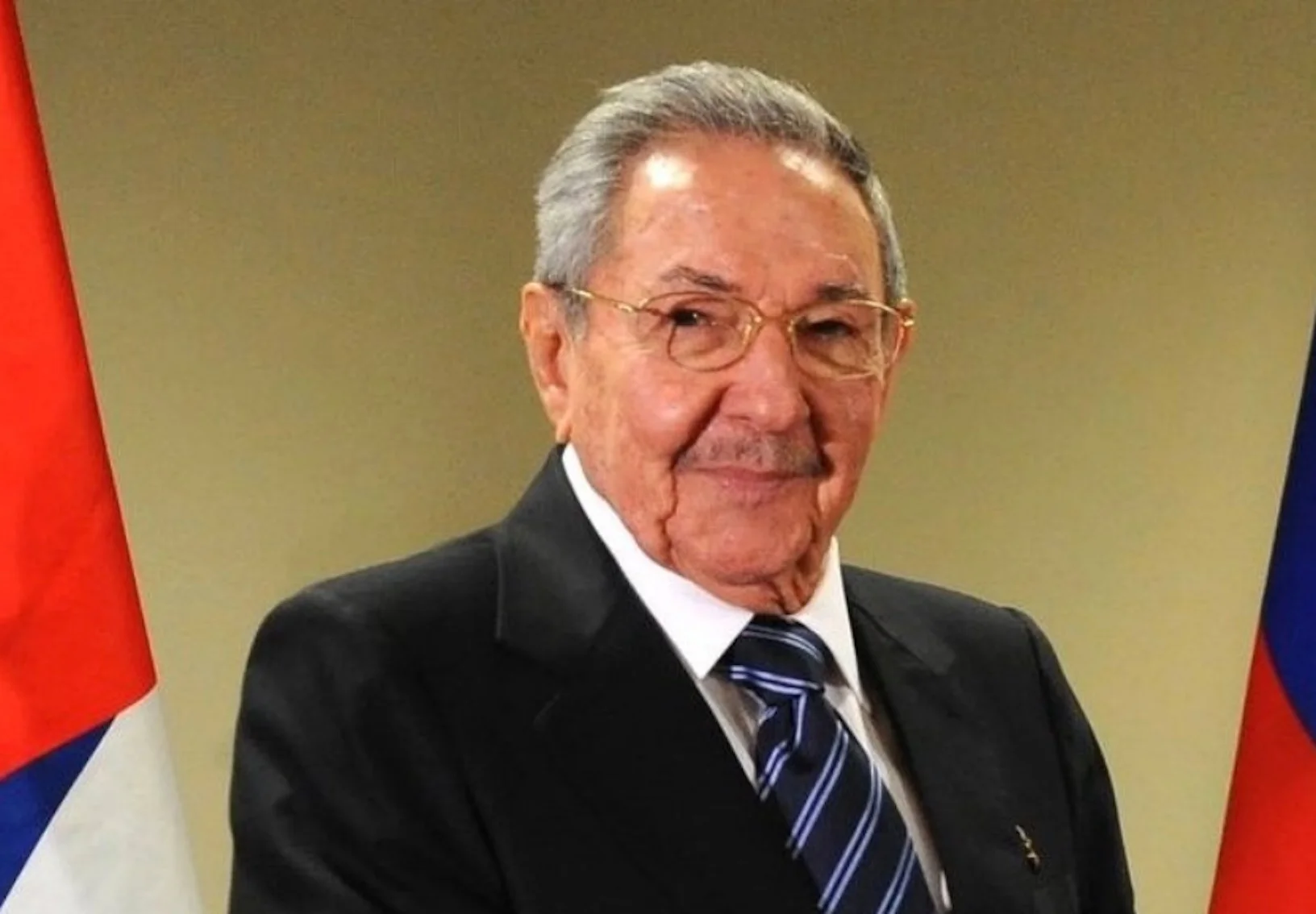
The case at the heart of the indictment
The charges stem from a 24 February 1996 incident in which Cuban fighter jets shot down two Cessna planes operated by Brothers to the Rescue, a Cuban‑American exile group that had been flying missions over the Florida Straits to spot and assist rafters fleeing the island.
According to long‑public records and the new indictment, the Cessnas flew near or into Cuban airspace despite repeated warnings from Havana. Cuban MiG‑29 fighters intercepted them and fired air‑to‑air missiles, destroying two aircraft, and killing four men: Carlos Costa, Armando Alejandre Jr., Mario de la Peña, and Pablo Morales, all of whom were U.S. citizens or residents.
The Clinton administration condemned the attack at the time and pushed through United Nations resolutions and the Helms‑Burton Act tightening the embargo but stopped short of criminally charging either Fidel or Raúl Castro. For three decades, the case remained a rallying point for Miami’s Cuban exile community, which has long demanded personal accountability for the Castros.
Now, U.S. prosecutors argue that Raúl Castro, then Cuba’s minister of the Revolutionary Armed Forces, personally approved and directed the decision to destroy the unarmed planes, making him criminally responsible for the deaths.
The charges: conspiracy, murder, and destruction of aircraft
Court documents unsealed Wednesday in a U.S. federal court outline a set of serious counts against Castro and five other Cuban military officers.
CBS News and Reuters report that Raúl Castro faces:
- One count of conspiracy to kill U.S. nationals
- Four counts of murder related to the deaths of the four men aboard the downed planes
- Two counts of destruction of aircraft in international airspace
“This is the first time in almost 70 years the United States has indicted a top Cuban official for killing American citizens,” CBS’s Miami affiliate noted in its coverage of the announcement. A Justice Department official described the move to Reuters as a “significant escalation” of Washington’s campaign against Cuba’s communist government.
An arrest warrant has been issued for Castro. Speaking at the Justice Department, Acting Attorney General Todd Blanche said, “A warrant for his arrest has been issued, so we anticipate that he will present himself here willingly or through other means,” drawing applause from an audience packed with Cuban‑American activists and officials.
The other defendants, identified in the indictment as Cuban air force officers and MiG pilots involved in the interception, face similar charges.
A rare step: charging a former foreign head of state
It is highly unusual for the United States to bring criminal charges against a former foreign head of state, especially one who remains in his home country with no sign of imminent regime change.
Reuters notes that the move “marks a significant escalation in Washington’s campaign against the communist regime on the island” and “it is uncommon for the U.S. to file criminal charges against foreign leaders.” CNBC likewise highlights that previous U.S. responses to the 1996 shoot‑down focused on sanctions and diplomatic condemnation, not personal criminal liability for the Castro brothers.
Castro, now 94, was last seen at public events in Cuba earlier this month, and there is no indication that he has left the island or that Havana would consider extraditing him. Cuban authorities have not publicly commented on the indictment, and the foreign ministry did not respond to reporters’ requests for reaction.
In practice, that means the case is unlikely to lead to a U.S. trial unless Castro travels abroad to a country willing to arrest and hand him over, a prospect analysts describe as remote. But legally and symbolically, the charges put an American murder case on the shoulder of a man long seen by exiles as untouchable.
Timing and politics: why now?
The announcement did not come in a vacuum. It lands at a moment when the Trump administration has been steadily tightening sanctions on Cuba, restricting oil supplies, curbing remittances, and placing the island back on the U.S. list of state sponsors of terrorism.
The BBC reported last week that the Justice Department was “gearing up” to bring charges against Castro as part of an ongoing campaign to increase pressure on Havana, with officials saying the indictment could be issued as early as Wednesday. NBC’s Today show, previewing the move, framed it as the latest in a series of hard‑line steps “as the CIA director visits Cuba to engage with officials in Havana,” highlighting the complex mix of confrontation and back‑channel contact in current U.S.–Cuba policy.
Domestic politics also loom large. Florida’s Republican Governor Ron DeSantis, a vocal critic of any engagement with Cuba, welcomed the reports of impending charges as “long overdue,” calling the 1996 downing “a terrorist act” and urging the federal government to “finally hold Raúl Castro personally accountable.” Florida’s attorney general reopened a state‑level inquiry into Castro’s alleged role in the incident in March, keeping the case in local headlines.
For Trump, whose political base includes a powerful Cuban‑American constituency in South Florida, the indictment may serve both policy and electoral objectives: signaling toughness on Cuba while responding to decades of advocacy from exile organizations and victims’ families.
Havana’s silence and the question of extradition
As of Thursday morning, the Cuban government had not issued an official response to the charges. State media in Havana had not carried detailed coverage of the indictment, and there was no sign that Castro’s movements within Cuba had been restricted.
Legal experts told Reuters and the BBC that extradition is highly unlikely. Cuba and the United States do not have a functioning extradition relationship for politically charged cases, and the island’s leadership has historically treated the Castros as beyond the reach of foreign courts.
That leaves the charges in a kind of legal limbo: enforceable on paper, should Castro set foot in a cooperating jurisdiction, but effectively symbolic so long as he remains on the island.
Still, the indictment could have practical effects. It may further complicate any future U.S. administration’s efforts to normalize relations with Havana, as dropping or downgrading charges against a man accused of murdering American citizens would carry heavy political costs in Washington and Miami.
Echoes of past cases and the message to other leaders
This is not the first time the U.S. has sought to hold foreign leaders criminally responsible for acts that killed Americans, but such cases remain rare. Washington has previously indicted figures such as Panama’s Manuel Noriega and Venezuela’s Nicolás Maduro on drug‑trafficking charges, and it has pursued terrorism‑related cases against Libyan and Iranian officials over bombings that killed U.S. nationals.
By framing the 1996 shoot‑down as murder and conspiracy to kill U.S. nationals, rather than a contested military engagement, the Justice Department is sending a broader message: that ordering lethal force against unarmed civilians in international airspace can carry personal criminal consequences, even decades later.
For Cuban exiles, that message is likely to be welcomed as a long‑delayed recognition of their claims. For Havana and other governments that have clashed with the U.S., it may be read as another sign that Washington is willing to use its courts as an instrument of geopolitical pressure, especially under a Trump administration that has blurred lines between legal action and foreign policy in cases from Venezuela to Iran.
A case that may never reach trial
If Raúl Castro never leaves Cuba again, the indictment unsealed in Miami may remain largely symbolic: a document that codifies the U.S. government’s view of his responsibility for an incident that scarred U.S.–Cuba relations, but that never produces a trial or sentence.
For the families of the four men killed in 1996, however, the symbolism matters. It turns a tragedy that many felt had been sidelined into a formal homicide case, with their relatives named as victims and a powerful figure named as a defendant.
Three decades after missiles streaked through the sky between Cuba and Florida, the legal and political fallout from those explosions is still unfolding. With Wednesday’s announcement, the United States has placed Raúl Castro’s name on a criminal docket — and, in doing so, has ensured that the debate over justice, vengeance and reconciliation between Havana and Washington will remain unresolved for years to come.