
The Chicago Sky have traded two-time WNBA All-Star Angel Reese to the Atlanta Dream in a blockbuster deal that sends one of the league’s most marketable young stars out of Chicago after just two seasons, and instantly strengthens Atlanta’s case as an Eastern Conference title contender. In return, the Sky receive the Dream’s first‑round draft picks in 2027 and 2028, while Atlanta also gains the right to swap second‑round picks with Chicago in 2028, underscoring that this was a long‑term reset for a franchise that has struggled to hold on to its biggest names.
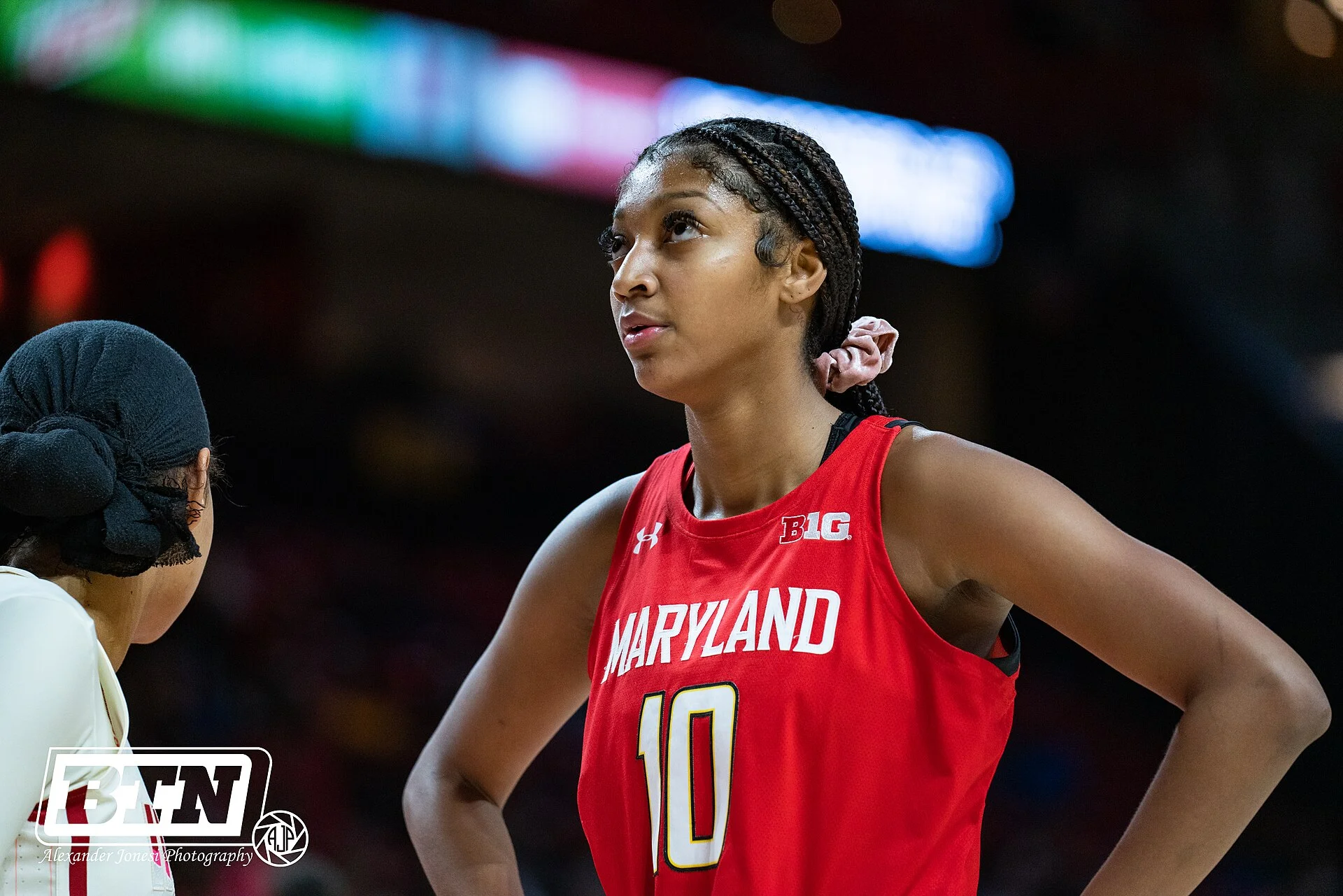
The deal: two first-rounders for a franchise cornerstone
Both teams confirmed the trade on Monday as WNBA free agency opened, capping weeks of speculation about whether Chicago would actually move the 23‑year‑old forward who had become the face of its franchise. According to ESPN, the Sky will receive Atlanta’s unprotected first‑round picks in 2027 and 2028, while the Dream pick up swap rights on the teams’ second‑round selections in 2028.
Reese, the No. 7 overall pick in the 2024 draft out of LSU, is entering the third year of her rookie scale contract and will be under team control through 2026, with a club option for 2027 now held by Atlanta. NBC News notes that she remains on an affordable deal under the WNBA’s new collective bargaining agreement, giving the Dream a rare combination of star talent and cap flexibility as they chase the top of the league.
In a statement, Sky general manager Jeff Pagliocca called the move “designed to achieve roster balance and [represent] a great opportunity for all parties,” thanking Reese for “many record‑breaking milestones in her first two years in the WNBA” and describing her as “a competitive force for the Sky.” Atlanta, for its part, touted the acquisition of a “two‑time All‑Star and elite rebounder” who fits their timeline and style.
Reese’s rise: historic rebounding and rapid stardom
On the court, Reese has been everything the hype promised and more. In her rookie season with Chicago, she averaged roughly 13 points and 13.1 rebounds per game, earning All‑Star honors, finishing runner‑up for Rookie of the Year, and even receiving down‑ballot MVP votes.
Her second campaign was just as dominant on the glass. ESPN notes that Reese defended her rebounding crown in 2025 by pulling down 12.6 boards a night, making her the only player in WNBA history to average at least 12 rebounds per game in two separate seasons. Across her first two years, she averaged about 14.1 points and 12.9 rebounds, anchoring Chicago’s interior on both ends despite the team’s broader struggles.
Critics had questioned her efficiency and range early on, but Yahoo Sports reports that Reese improved her two‑point field‑goal percentage from around 40% as a rookie to nearly 48% in her sophomore season, all while maintaining her elite rebounding and physical presence inside. Off the court, she remained one of the league’s most recognizable figures, parlaying her LSU “Bayou Barbie” fame into national endorsements and a sizable social‑media following.
Why Chicago moved on, and what it says about the Sky
That statistical profile makes the decision to trade Reese, at 23, all the more jarring on its face. The New York Times’ Athletic vertical frames the move as “another example of the Chicago Sky’s inability to hold onto stars,” drawing a line from past exits by Candace Parker, Courtney Vandersloot and Kahleah Copper to Reese’s departure just as she was entering her prime.
Chicago has missed the playoffs the last two seasons and is widely expected to overhaul its roster under coach Teresa Weatherspoon. ESPN reports that, despite “some friction” between Reese and the organization during a rocky 2025 campaign, she had not formally requested a trade; instead, the Sky “worked closely with her team to find her a new home” once it became clear they would lean into a long‑term rebuild.
Still, early trade grades have been brutal. CBS Sports slapped an “F” on Chicago’s side of the deal, arguing that “you simply do not trade a 23‑year‑old two‑time All‑Star who is already a historically great rebounder for future mystery boxes” unless the relationship has become untenable. Yahoo Sports columnist Cassandra Negley wrote that “history is repeating itself” for a franchise that “cannot seem to keep its stars happy even when it drafts them,” warning that the Sky risk alienating fans ahead of this summer’s All‑Star Game in Chicago.
From the front office’s perspective, the logic is clear if cold: with the team stuck in the middle and Reese due for a much larger deal in a tighter‑cap WNBA under the new CBA, flipping her for two distant first‑round picks creates financial flexibility and a shot at re‑setting the roster in 2027 and 2028. Whether that bet pays off, and whether fans will stick around to see it, is another question entirely.
Atlanta’s gamble: from playoff mainstay to title threat
For Atlanta, the calculus is much simpler: contenders pay for stars, especially ones on team‑friendly contracts.
The Dream have made the playoffs in each of the last three seasons but have not advanced past the first round since 2018. They topped the Eastern Conference in 2025, only to be knocked out by Caitlin Clark’s Indiana Fever in the first round, reinforcing the sense that they were one frontcourt piece short of true contention.
Reese now slots into a core built around dynamic guards Allisha Gray, who finished fourth in MVP voting last season, and 2022 No. 1 pick Rhyne Howard. ESPN and NBC News both highlight the fit: an elite rebounder and interior scorer who can clean the glass and generate second‑chance points for a perimeter‑oriented offense that already punishes teams from the outside.
The Dream’s front office appears to agree. “This is an Angel’s dream,” Reese wrote on X after the trade, a nod to both the franchise’s name and her long‑stated desire “to play with the best” in a competitive environment. For a team that has rebuilt steadily since its relocation saga and ownership changes earlier in the decade, adding a rising star under control through at least 2026 signals an unmistakable shift from patient rebuild to win‑now mentality.
CBA backdrop: contracts, leverage, and a changing WNBA
The trade also arrives against the backdrop of a new WNBA collective bargaining agreement that has reshaped how teams think about star contracts and timing. USA Today notes that Reese’s rookie deal, signed under the previous framework, now looks like a bargain in a league where the top tier of players is set to earn significantly more as free agency rules loosen and revenue growth clauses kick in.
In that environment, teams like Chicago face hard choices: lock in young stars early and accept cap constraints elsewhere, or trade them for draft capital before they become expensive and potentially unhappy. Meanwhile, players are gaining more leverage to influence destinations, even without formally demanding trades, as front offices increasingly seek to avoid very public stand‑offs that can hurt a league still fighting for mainstream attention.
Reese’s move to a bigger media market in the Southeast, where the Dream have invested heavily in marketing and community engagement, also underscores how much star placement matters to the league’s growth strategy. Pairing one of its most visible young forwards with an ascending team could be a boon for television ratings and sponsorships, even if it comes at Chicago’s expense.
What comes next for Reese, the Sky and the Dream
For Angel Reese, the immediate task is straightforward: integrate quickly into a new system, build chemistry with Gray and Howard, and show that her rebounding dominance can translate into deep playoff runs rather than empty box scores. As a former NCAA champion who has never lacked confidence on big stages, she will also be expected to embrace the leadership and spotlight that comes with being the centerpiece of a team with title ambitions.
For the Dream, the margin of error shrinks. After sending out premium draft capital in 2027 and 2028, they will need to hit on later picks, develop cost‑controlled role players and manage their cap carefully if they want to keep this core together under the new CBA’s tighter structures.
And for the Sky, the trade raises familiar questions about identity and direction. With yet another star gone, a fan base weary of resets and an All‑Star weekend looming in their city, the franchise must now convince players and supporters that this rebuild will be different, that the picks acquired for Angel Reese will not simply become the next generation of talent to walk out the door.
In the short term, one thing is certain: when the WNBA tips off this summer, all eyes will be on Atlanta’s frontcourt rotations and Chicago’s empty space where a rising superstar used to be, a visual reminder of how quickly fortunes can flip in a league still learning how to handle its own growing pains.