FIFA will stage a Super Bowl‑style halftime show at the 2026 World Cup final in New Jersey, a first for soccer’s biggest game and a clear signal that the governing body wants its global showcase to rival the NFL’s mix of sport and spectacle. The concert at MetLife Stadium on July 19 will extend the traditional 15‑minute interval, feature multiple global stars, and raise money for a new FIFA‑backed education fund, blending entertainment, commercial ambition, and social‑impact messaging for an expected television audience in the hundreds of millions.
A first for the World Cup final
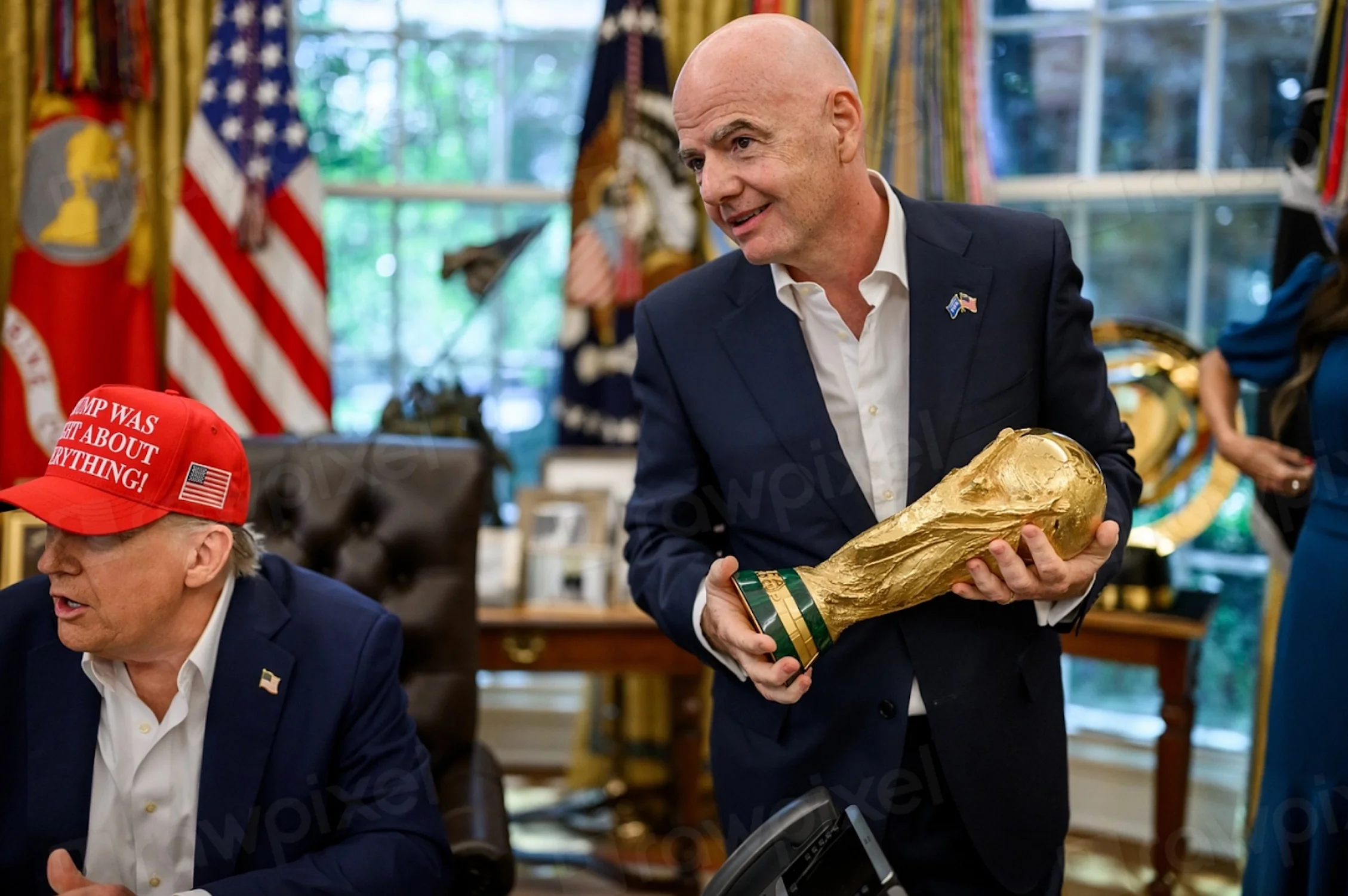
FIFA president Giovanni Vincenzo Infantino confirmed in April that the 2026 final will feature the tournament’s first‑ever halftime show, promising “a unique spectacle of unprecedented scale” modelled in part on the NFL’s Super Bowl. FIFA says the decision reflects a desire to “intertwine sports with entertainment on a grand scale” and create “a singular moment at the intersection of sport, culture and purpose, broadcast live around the world.”
The final, to be played on Sunday, July 19, 2026, at MetLife Stadium in East Rutherford, N.J., will already be historic as the climax of the first 48‑team World Cup, co‑hosted by the United States, Canada, and Mexico. A Super Bowl‑style performance at halftime adds a new layer of global pop spectacle to what is traditionally a tightly focused sporting occasion.
A star‑studded lineup with global reach
On Thursday, FIFA and broadcast partners unveiled a blockbuster lineup: Shakira, Madonna and BTS will co‑headline the show, curated by Coldplay’s Chris Martin, and produced in partnership with advocacy group Global Citizen.
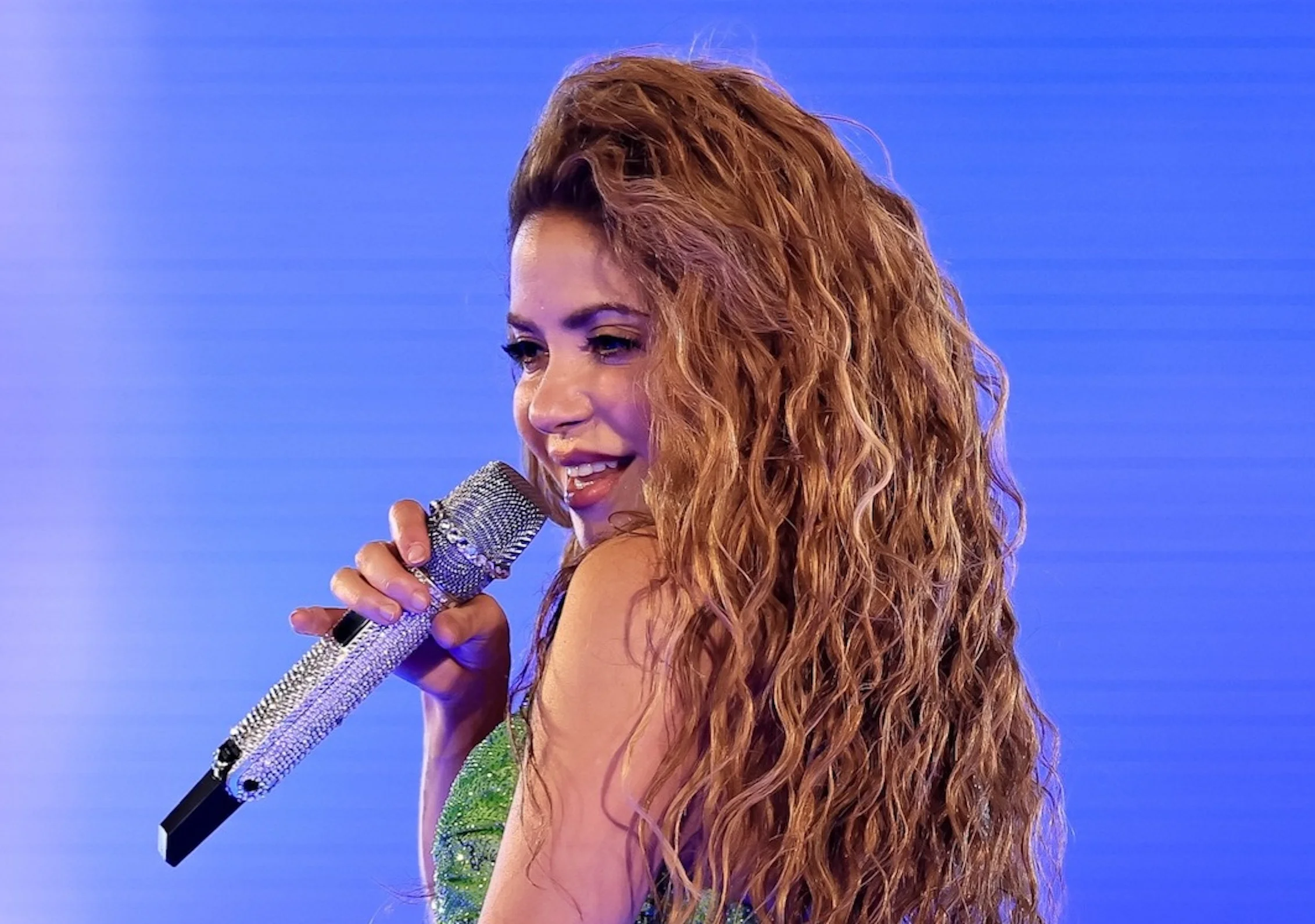
CNN and USA Today report that the three acts will split the roughly 15‑minute performance into segments highlighting Latin pop, Western pop, and K‑pop, aiming to mirror the World Cup’s diverse global audience.
Shakira, who previously performed at multiple World Cup ceremonies, is set to release the official 2026 tournament song, “Dai Dai,” later Thursday, tying her halftime appearance directly to FIFA’s music campaign.
Madonna brings four decades of pop‑culture impact, while BTS, the wildly popular Korean group, adds a younger, digitally native fanbase likely to boost streaming and social engagement around the game.
The show will be curated by Chris Martin, whose band Coldplay has worked with FIFA before; Martin is helping Global Citizen design the performance narrative and guest mix. Infantino has said the lineup will involve “more than one” act and “will be the biggest in the world,” stressing that the concert is conceived as a co‑equal attraction alongside the match rather than a brief sideshow.
Extending halftime — and bending tradition
To accommodate the concert, FIFA plans to extend the halftime break well beyond the standard 15 minutes prescribed by the Laws of the Game. Yahoo Sports reports that broadcasters have been told to expect a break closer to 25 minutes, similar to the Super Bowl’s halftime interval once musical changeovers are factored in.
At last year’s FIFA Club World Cup final at the same venue, a trial halftime show featuring J Balvin, Doja Cat and Tems pushed the interval to just over 24 minutes, giving FIFA and teams a dress rehearsal for the World Cup. That event used a stage built in the stands to protect the playing surface, but reports suggest this summer’s final may move the performance onto the field, depending on technical and pitch‑care considerations.
Purists have raised questions about how a longer break might affect players and tactics. Coaches and sports scientists tell outlets such as The Athletic and Yahoo that preparation routines, warm‑up patterns and even nutrition timing will need adjustment if players spend an extra 10 minutes off the pitch at the highest‑pressure moment of their careers. FIFA officials say they are consulting with teams and medical staff to ensure the extended halftime remains within acceptable performance and safety bounds.
Borrowing from the Super Bowl playbook
FIFA’s move explicitly draws on the success of the Super Bowl halftime show, which has become one of the most‑watched entertainment events in U.S. television, featuring performers such as Rihanna, Beyoncé, Bad Bunny, and Kendrick Lamar.
Articles in The Washington Post and other outlets note that the World Cup already dwarfs the Super Bowl in global reach, the 2022 final was watched by an estimated 500 million people worldwide, but has historically kept halftime limited to team talks and minimal on‑field entertainment. The decision to add a concert reflects both a desire to deepen engagement with casual viewers and a broader trend of sports events becoming multimedia cultural moments.
For FIFA and its sponsors, a Super Bowl‑style show creates new inventory: branded stages, integrated campaigns, and cross‑promotions with streaming platforms and social networks. Media analysts say a successful show could unlock additional advertising revenue during the extended break and offer brands a way to reach non‑traditional soccer audiences who tune in as much for the music as for the match.
Social impact: the Global Citizen partnership
Beyond entertainment, FIFA is tying the halftime show to a social‑impact initiative. The concert will support the FIFA Global Citizen Education Fund, which aims to raise 100 million dollars to improve access to schooling and football programs for children worldwide.
Global Citizen, which has staged large‑scale music events linked to development goals, will produce the show as part of a four‑year partnership announced at the Global Citizen Festival in 2024. Funds raised via sponsorships, digital campaigns and viewer actions will go toward projects that blend education and sport, with FIFA describing the show as a “call to action” as well as a performance.
Advocates say piggybacking on the World Cup’s global reach could bring significant visibility to education challenges, while critics caution that the initiative must be judged on long‑term impact rather than spectacle alone.
A shift in how soccer sells itself
The halftime show caps a broader shift in how FIFA packages its most valuable property. From expanded fan festivals and digital content to the 48‑team format, the 2026 tournament in North America is designed to maximize both reach and revenue.
Supporters of the halftime plan see it as an evolution, a way to recognize that the World Cup is not only a sporting competition but also a global cultural event where music, fashion and social causes collide. Traditionalists worry that stretching halftime and amplifying commercial messaging could distract from the game itself, especially if the performance overshadows the football in post‑match coverage.
Either way, when the teams walk off the field at MetLife Stadium in July 2026, they will not return after a routine 15‑minute reset. Instead, the eyes of the world will shift to a stage packed with pop icons, as FIFA tests whether the Super Bowl formula can be transplanted onto soccer’s biggest stage without diluting what makes a World Cup final unique.