
Before setting off on your next cross-country drive in a semitruck, schedule the proper maintenance to prevent tire problems during the ride.
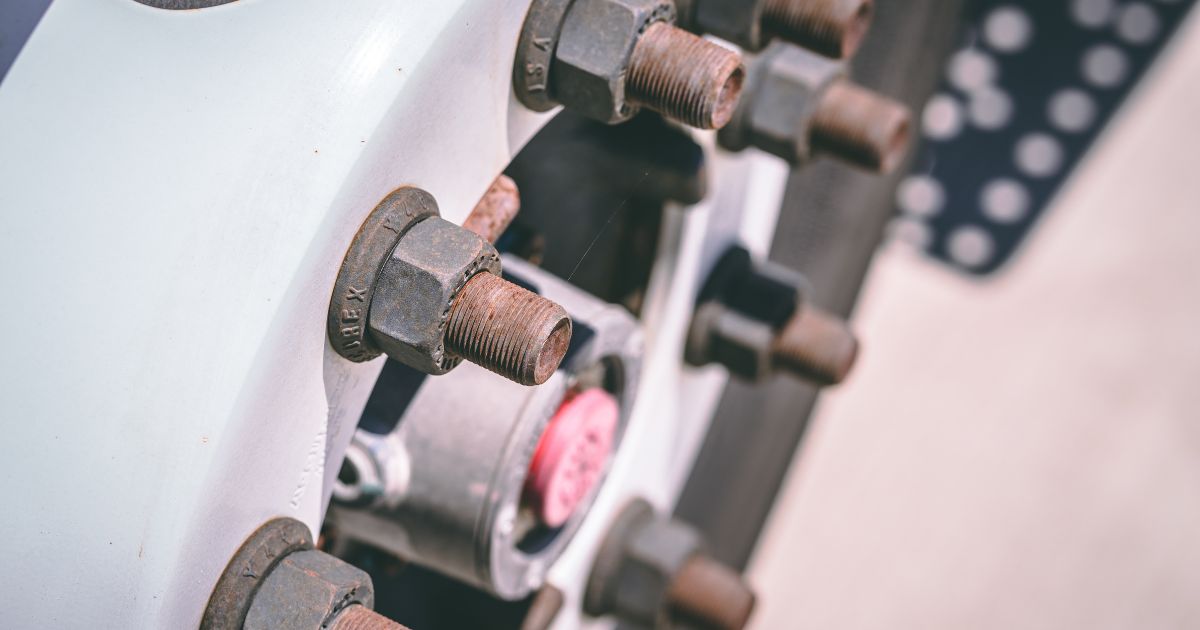
While you’re checking the vehicle’s oil and filling the tank with gas, don’t forget to inspect the tires! Long distances and heavy loads put additional strain on tires, increasing the likelihood of wear and unexpected issues. Semitruck driverscover hundreds of miles a day, so make the journey easy by looking out for these tire problems you could run into during a cross-country drive.
Uneven Tire Wear
Uneven tire wear results from improper alignment, unbalanced tires, or inconsistent inflation levels. This issue reduces traction and leads to tires wearing out faster.
To protect your tires from damage, check for irregular tread patterns or bald spots regularly. Rotate your tires as part of routine maintenance to provide even wear before your next trip.
Overinflation or Underinflation
Overinflated tires can lead to a harsh ride and poor grip on the road. On the other hand, underinflated tires cause increased rolling resistance and heat buildup, which can result in a blowout. Check the tire pressure before every trip to meet the manufacturer’s recommended PSI.
Punctures and Cuts
Whether it’s sharp debris on the highway or poorly maintained roads, punctures and cuts happen. A small puncture can slowly leak air, while deep cuts might lead to a complete tire failure.
If you notice your vehicle skipping or an unsteady ride, pull over and check the condition of your tires. Keep a tire repair kit and a spare tire handy in case you run into tire problems during a cross-country drive.
Tread Depth Below Minimum Standards
Bald or worn-down treads reduce traction, especially on wet or slick roads. This increases the likelihood of skidding or losing control of your rig during a storm.
The tire minimum tread depth standards are 4/32 inches for semitruck steer tires in the U.S. Measure your tread depth with a gauge and replace any worn tires immediately if you notice any changes.
Sidewall Damage
The sidewalls of your tires bear the brunt of your load’s weight and road conditions. Bulges, cracks, or cuts in the sidewall indicate weakened tire integrity and could mean a tire is on the verge of failure. Regularly check the sidewalls for visible signs of damage, especially after encountering potholes or curb impacts.
Heat Damage from Excessive Loads
Carrying heavy loads over long distances generates immense heat in your tires. Over time, excessive heat weakens tire structure and can lead to premature wear or a blowout. To avoid this, make sure the load doesn’t exceed the tire’s weight capacity. Park at rest stops to help the tires cool down and redistribute loads evenly.
Corrosion Around Wheels and Rims
Corrosion affects the aesthetics of your wheels and compromises proper tire sealing. Rust or pitting on chrome rims can weaken their structure or create air leaks. To prevent your chrome rims from pitting, clean and polish them periodically while inspecting for early signs of rust. Tires work tirelessly to support every mile of cross-country trips, so be sure to take care of them! Schedule routine maintenance that covers all components of the system for a convenient, steady drive. By staying vigilant about these common problems, you can improve safety and minimize costly roadside delays.