
Solve common household plumbing issues like clogs, leaks, and low water pressure easily with this quick troubleshooting guide for homeowners.
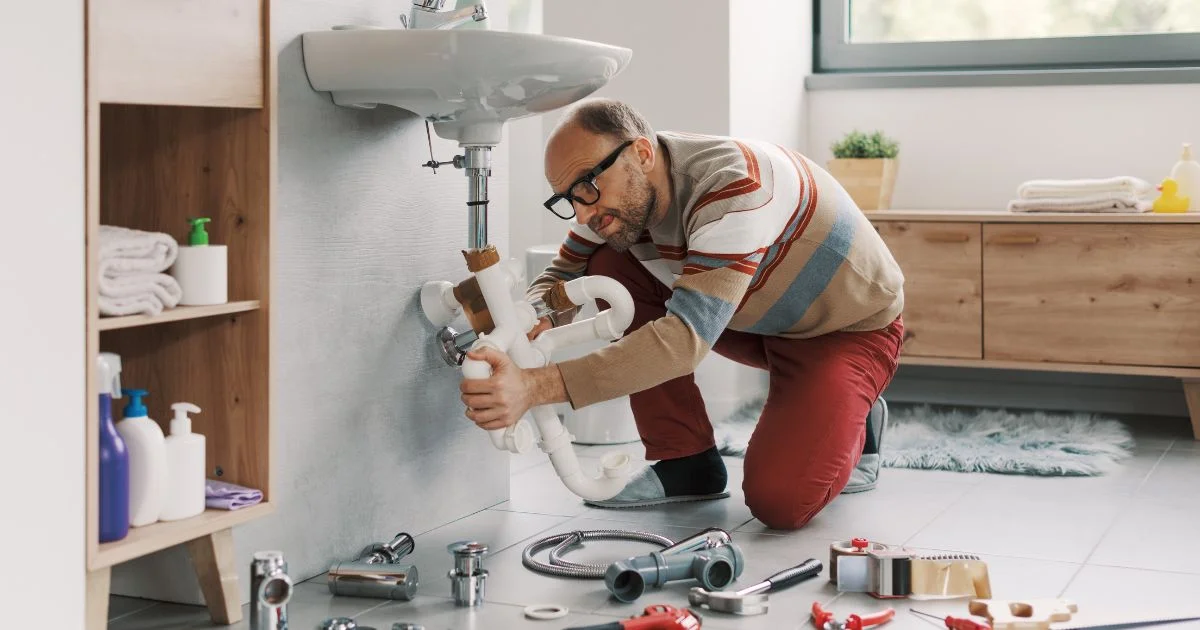
Plumbing problems can disrupt your day, but many of these problems are fixable without professional help. From leaks to clogged drains, knowing how to tackle these challenges can save both time and money. Explore some helpful tips on troubleshooting common households plumbing issues you can try before calling a plumber.
Dripping Faucets
Though it may seem harmless, a dripping faucet can increase your utility bill by wasting gallons of water. The usual culprit? A worn-out washer or seal that no longer forms a watertight connection.
How To Fix It
- Turn off the water supply to the faucet.
- Carefully disassemble the faucet and replace the washer or O-ring.
- If you’re unsure which part to get, take the old one to a hardware store for matching.
If replacing the washer doesn’t help, the valve seat (which connects the faucet to the plumbing system) might require professional servicing.
Clogged Drains
Slow-draining sinks or standing water often occur because of soap scum, hair, food debris, or grease buildup in your pipes. For bathroom drains, a snake or plunger can clear out hair and soap scum. Alternatively, you can pour baking soda and vinegar into the drain, followed by hot water, to dissolve blockages naturally.
With kitchen drains, always avoid pouring grease or oil down the sink because these materials can solidify and clog pipes. If a clog happens in your kitchen, use a plunger or a pipe-safe drain cleaner. For clogs located deeper in the pipes, you may need professional servicing to clear the blockages.
Low Water Pressure
If the water flow turns into a trickle, you’re probably dealing with low water pressure. This issue can make everyday tasks, like washing dishes or showering, a hassle. Common causes of low water pressure include sediment buildup, aging pipelines, or leaks.
DIY Solutions
- Clean clogged aerators and showerheads by soaking them in vinegar to dissolve deposits.
- Inspect visible pipes for leaks and fix them promptly.
- If problems persist, contact your water utility company to rule out supply issues.
If none of these remedies work, you may have outdated pipes that require professional replacement.
Running Toilets
A constantly running toilet can waste hundreds of gallons of water daily. This issue is usually the result of a worn-out flapper—the rubber piece controlling water flow from the tank to the bowl. Other issues might include a faulty fill valve or a misadjusted float.
For a simple fix, open the tank lid and check the flapper. If it’s damaged, replace it with a new one. Additionally, ensure the fill valve functions correctly and the float is properly adjusted so the tank fills to the right level.
Garbage Disposal Not Working
When your garbage disposal gets jammed or refuses to turn on, it can disrupt your kitchen routine. Often, it’s a straightforward fix—as long as you turn off the power to the disposal before inspecting it.
Use an Allen wrench (inserted into the bottom of the unit) to manually move disposal blades and dislodge stuck items. Then, press the reset button at the base if the unit isn’t responding. Taking care of your plumbing through regular maintenance can save you from larger headaches down the road. By following these tips for troubleshooting common household plumbing issues, you can keep your pipes running smoothly for years to come.