A single Powerball ticket sold in Arkansas has delivered one of the richest Christmas “gifts” in U.S. history: a jackpot worth an advertised 1.817 billion dollars, with a cash option of 834.9 million dollars before taxes. The win, drawn on Christmas Eve after 46 consecutive rollovers, is the second‑largest lottery prize ever awarded in the United States and the biggest Powerball payout of 2025, instantly transforming an anonymous ticket‑holder into a billionaire on paper.
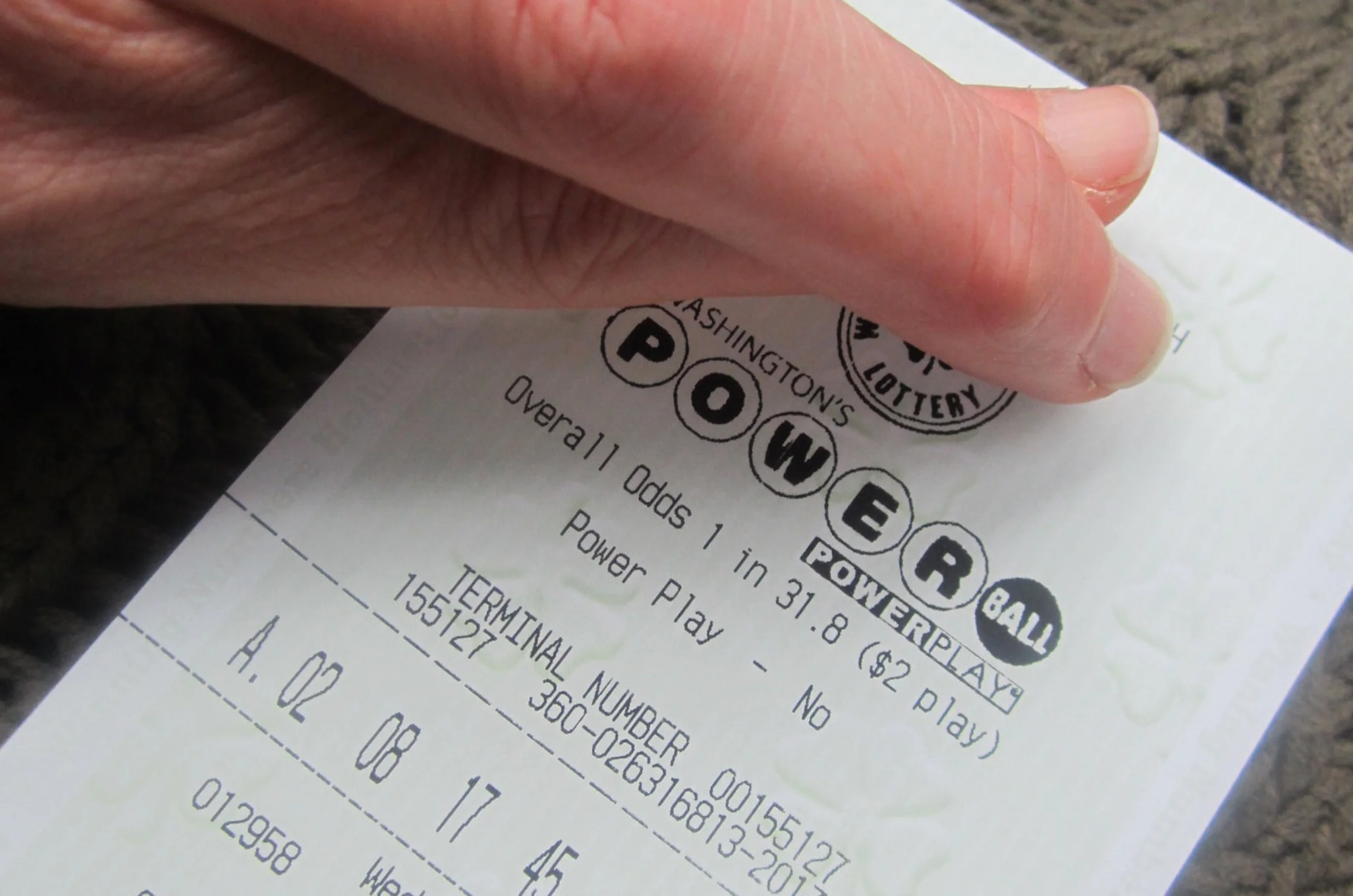
The Winning Ticket and the Historic Prize
Powerball officials confirmed that a single ticket sold in Arkansas matched all six numbers in Wednesday night’s Christmas Eve drawing: white balls 4, 25, 31, 52 and 59, plus red Powerball 19. The ticket also matched the Power Play multiplier of 2, though that only affects non‑jackpot prizes.
The Arkansan winner can choose between:
- An annuitized prize of 1.817 billion dollars, paid as one immediate payment followed by 29 annual installments that increase by 5 percent each year.
- A lump‑sum cash payment of about 834.9 million dollars before federal (and any applicable state) taxes.
Final ticket sales pushed the jackpot above earlier estimates, making it the second‑largest U.S. lottery prize on record and the largest Powerball jackpot since California’s 2.04‑billion‑dollar win in November 2022. Powerball’s product group chair, Matt Strawn, called it a “truly extraordinary, life‑changing prize,” thanking players nationwide who “joined in this jackpot streak.”
A Christmas Eve Win After a Three‑Month Roll
The Christmas Eve drawing closed out a three‑month run in which nobody matched all six numbers, a stretch of 46 consecutive drawings without a jackpot winner. The previous top prize was hit on September 6, when tickets in Missouri and Texas split 1.787 billion dollars, then the second‑largest Powerball jackpot.
Powerball says this is only the second time its jackpot has ever been hit on Christmas Eve and the second time a ticket sold in Arkansas has taken the top prize, following a 2010 win. The game notes that jackpots have also been won on Christmas Day four times, most recently in 2013, giving the holiday a quiet but persistent role in Powerball lore.
The odds of hitting the jackpot remain an eye‑watering 1 in 292.2 million, probabilities deliberately designed to let jackpots climb into the billions when no one wins over multiple drawings. As one Indianapolis glass artist told the Associated Press while filling out a slip, “With the prize so high, I just bought one kind of impulsively. Why not?”
What We Know and Don’t About the Winner
As of Christmas morning, lottery officials had not yet identified the winner, and Arkansas allows at least some latitude for claiming through trusts or other entities, depending on state rules at the time of claim. The Arkansas Scholarship Lottery and Multi‑State Lottery Association both urge big winners to sign the ticket immediately, make copies, and consult experienced financial, tax and legal advisers before stepping forward.
Practical questions now confront the winner:
- When to claim: In most states, jackpot winners have several months to claim; some opt to wait to assemble an advisory team and plan for security and privacy.
- Cash vs annuity: Historically, most U.S. jackpot winners take the lump sum despite the headline value of the annuity being far higher, trading long‑term guaranteed payments for immediate control over a smaller, but still enormous, pot.
- Tax impact: The IRS will withhold a portion of the prize at the federal level; depending on Arkansas’s rules and the winner’s residency, state taxes may also bite, reducing the final take by hundreds of millions.
For Arkansas, the victory is as much about symbolism as statistics: a relatively small state claiming one of the richest windfalls in lottery history, just as families gather for the holidays.
The Business Behind Billion‑Dollar Jackpots
Beyond the human drama, billion‑dollar jackpots are big business. Powerball tickets cost 2 dollars each and are sold in 45 states plus Washington, D.C., Puerto Rico, and the U.S. Virgin Islands. As rollover drawings accumulate, sales spike, not only for Powerball but often for other games, boosting state lottery revenues that fund education, infrastructure, or other designated programs.
Strawn and other officials stress this public‑benefit angle, noting that “every ticket purchased helps support public programs and services across the country.” Critics counter that lottery funding is a regressive way to raise money, effectively taxing hope among lower‑income players who can least afford to chase 1‑in‑292‑million odds.
Still, when jackpots approach 2 billion dollars, the narrative often shifts from policy to spectacle. National networks ran countdowns to the drawing; CBS and local affiliates produced explainers on the odds and payout options; and social platforms filled with screenshots of tickets and jokes about “not coming into work Monday.”
Life After a Windfall: Cautionary Tales and Expert Advice
History suggests that the toughest part of winning might be what comes next. Financial planners point to past jackpot winners who struggled with sudden wealth—burning through fortunes, facing lawsuits, or becoming targets for scams and crime.
Standard guidance for mega‑winners includes:
- Stay anonymous, if possible, under state law, or at least limit public exposure.
- Hire a team: a fiduciary financial adviser, tax specialist and attorney experienced in high‑net‑worth estate planning.
- Park the money conservatively at first, avoiding immediate major purchases and investments until a long‑term plan exists.
While those details sit outside the official Powerball releases, the Arkansas winner’s choices will likely become a familiar case study in how to navigate a once‑in‑several‑lifetimes windfall.
The Odds, the Hype, and the American Lottery Dream
Powerball’s design astronomical odds, multi‑state pools, rolling jackpots taps into a specifically American tension between extreme unlikelihood and the fantasy of instant transformation. Each time a jackpot crosses the billion‑dollar mark, ticket sales soar, office pools form and public debate resurfaces about risk, reward, and personal responsibility.
This Christmas Eve drawing underscored that dynamic: a 1.817‑billion‑dollar prize dangled in front of millions as the country wrapped presents and set tables. For one Arkansan, the fantasy crystallized into a brutal, bank‑verified reality; for everyone else, it remained what it has always been 2 dollars exchanged for a moment of imagining a different life.
Whether that makes America’s latest 1.8‑billion‑dollar Christmas story inspiring, unsettling or both depends largely on where you were standing when the numbers 4, 25, 31, 52, 59 and 19 appeared on screen.