
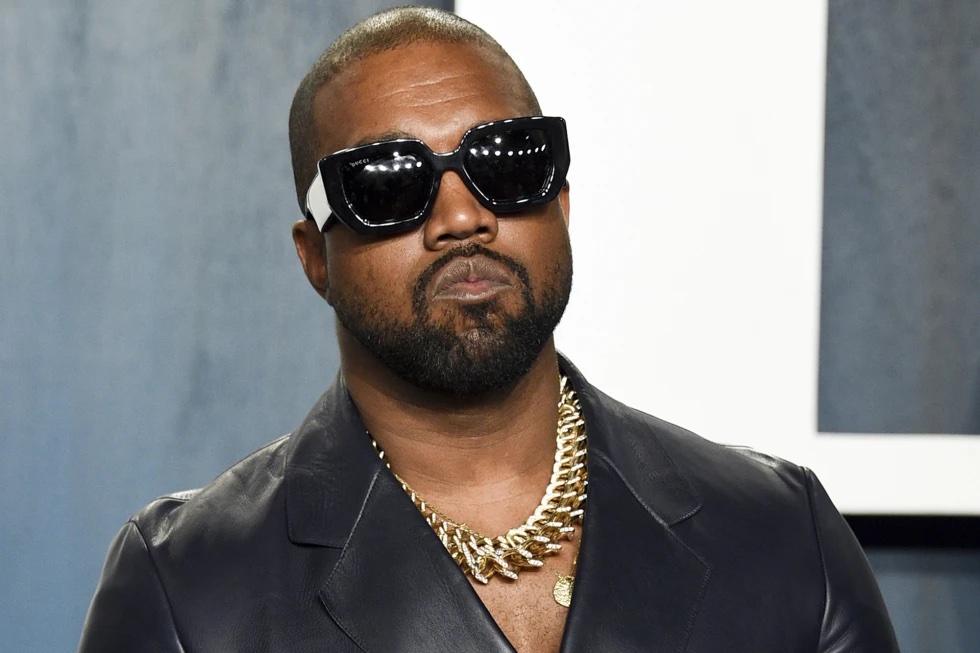
Kanye West, now known as Ye, is facing a possible ban from performing at a June 11 concert at Marseille’s Vélodrome stadium as French authorities weigh whether his history of antisemitic and pro‑Nazi statements violates the country’s strict hate‑speech and public‑order laws. Under mounting political pressure and after the U.K. barred him from entering for the Wireless Festival, the rapper has “postponed” the Marseille show “until further notice” while France’s interior minister openly studies legal options to keep him off the stage.
French officials “determined” to stop the Marseille concert
The immediate flashpoint is a stadium show West scheduled for June 11 at the 60,000‑seat Orange Vélodrome, billed as the sole French stop on a rare European run. According to BBC reporting, Interior Minister Laurent Nunez has told associates he is “extremely” or “highly determined” to see the gig banned, instructing his services to examine “all options” under French law.
Agence France‑Presse and Rolling Stone say Nunez has been consulting the regional prefect Jacques Witkowski and Marseille’s mayor Benoît Payan on how to proceed, including whether West’s past statements could constitute a criminal offense “if made in public.” In parallel, French media describe the Marseille concert as “under evaluation” by the interior ministry, terminology usually reserved for events that may be restricted on security or public‑order grounds.
Under France’s broad hate‑speech and anti‑fascism statutes, authorities can refuse venues, restrict public events, or issue administrative bans where there is a risk of incitement to racial or religious hatred. That legal backdrop is central to why West’s show has become a political test case rather than just another tour date.
A long trail of antisemitic and pro‑Nazi controversies
French concerns do not exist in a vacuum. West has spent years provoking outrage with remarks that many Jewish organizations and European officials have labeled openly antisemitic and pro‑Nazi.
Key episodes highlighted by European outlets include:
- A 2022 social‑media post in which he said he would go “death con 3 on Jewish people.”
- A notorious appearance on conspiracy theorist Alex Jones’s show where he declared, “I see good things about Hitler,” and praised the Nazi leader.
- The 2025 release of a track titled “Heil Hitler” and the sale of merchandise featuring swastikas, items later pulled from major platforms but widely documented.
Those episodes triggered collapsed brand deals, condemnations from U.S. civil‑rights groups and, more recently, tightening travel restrictions. Critics in France argue that inviting an artist who openly flirted with Nazi imagery onto a stage in a country scarred by Vichy collaboration and the deportation of Jews crosses a red line.
Political backlash in Marseille: “Not welcome at the Vélodrome”
Locally, opposition to the concert has been loud and public. Marseille’s mayor Benoît Payan has repeatedly declared that West is “not welcome” at the Vélodrome, calling the stadium “a sanctuary of coexistence” that should not host those who “promote hatred and outright Nazism.”
Jewish community leaders have been equally blunt. Fabienne Bendayan, honorary president of the regional Jewish umbrella group Crif Provence and a local political candidate, wrote that “anyone who openly proclaims admiration for Hitler and claims Nazi ideas” cannot be allowed onstage in a city “whose soul is woven from diversity, memory and fraternity.”
Their statements reflect broader unease in a port city that brands itself on multiculturalism but has also seen rising tensions over antisemitism, Islamophobia, and far‑right rhetoric. With municipal elections approaching, right‑wing and centrist figures have echoed calls to block the gig, arguing that Marseille should not be a “showcase” for extremism.
The U.K. precedent: a ban and a canceled Wireless Festival
France’s debate has been sharpened by events across the Channel. Just a week earlier, the U.K. Home Office refused West permission to enter the country, forcing London’s Wireless Festival to cancel its summer edition after booking him as headliner.
BBC and festival statements say sponsors including Pepsi and Diageo pulled out once West’s name was announced, and organizers later acknowledged that “all forms of antisemitism are unacceptable” and that they should have anticipated the backlash. Prime Minister Keir Starmer had described the prospect of a high‑profile West visit as “deeply worrying,” while Jewish groups pressed the government to deny him entry.
For French commentators, the U.K. decision created both political cover and pressure: if London can keep West out over hate speech, they ask, why should Paris or Marseille extend him a prestigious national stage?
Kanye’s response: postponement and pleas for “time”
Facing the gathering storm, West announced on X that he was postponing the Marseille date “until further notice,” framing the move as his personal choice. “I know it takes time to understand the sincerity of my commitment to make amends,” he wrote, adding: “I take full responsibility for what’s mine, but I don’t want to put my fans in the middle of it. My supporters mean everything to me.”
His official site still lists multiple European shows, Spain, Portugal, Turkey, the Netherlands, and others, indicating that the broader tour has not been canceled. Dutch migration minister Bart van den Brink has said the Netherlands currently has “no intention” of banning West from performing there, underscoring how uneven European responses remain.
West has previously apologized for some of his comments, sometimes blaming bipolar disorder, but critics in France and the U.K. say those statements have been inconsistent and overshadowed by new provocations.
Free expression vs. hate‑speech law in France
The Marseille case has reopened an old European debate: where does artistic freedom end and legally punishable hate speech begin?
France, like several EU states, criminalizes Holocaust denial, incitement to racial hatred and public glorification of Nazi crimes. Legal experts quoted in French media say West’s past statements, especially a song explicitly titled “Heil Hitler” and the use of swastika‑branded merchandise, come close to the line of glorifying Nazism, even if they were made outside French territory.
Interior Minister Nunez has not detailed the legal mechanism he might use, but options could include:
- Pressuring the municipal stadium operator to pull the booking on public‑order grounds.
- Issuing a targeted administrative order restricting the event under anti‑hate provisions.
- Using visa and border‑control powers if West’s presence is deemed a threat to public order.
Civil‑liberties advocates warn that such tools, once applied to a controversial artist, could be extended to other forms of expression. But supporters argue that France’s historical responsibility after the Holocaust justifies a firmer line.
What’s at stake for Marseille, France, and West
For Marseille, the episode is about more than a single concert. City leaders see it as a test of whether they can uphold a civic identity built on diversity while resisting what they view as the mainstreaming of extremist rhetoric. For the national government, it is a chance to demonstrate toughness on antisemitism at a time when hate‑crime statistics and geopolitical tensions have sharpened public sensitivities.
For Kanye West, the French pushback, coming on the heels of a U.K. ban and lost sponsorships in Europe and Japan, shows how reputational damage is now translating into concrete barriers: canceled festivals, withdrawn visas and major markets that may simply become off‑limits.
Whether France ultimately issues a formal ban or West’s postponement quietly becomes a cancellation, the underlying message from Marseille’s political and cultural establishment is already clear: apologies alone have not persuaded them that a man who once sold swastika T‑shirts and released a song called “Heil Hitler” should be handed a microphone in one of their most symbolic public arenas.