
On November 24, 2025, Jimmy Cliff, a legendary Jamaican reggae musician, actor, and cultural ambassador, died at the age of 81 due to complications from a seizure and pneumonia. He is known as the man who helped make reggae famous around the world with his many recordings, such as “You Can Get It If You Really Want,” “I Can See Clearly Now,” and “Wonderful World, Beautiful People.” These songs have been popular for more than six decades and have inspired many generations of artists. Cliff became a defining figure in the history of Jamaican music after starring in the film 1972 The Harder They Come, which helped to spread the message of Jamaican protest music and culture around the globe.
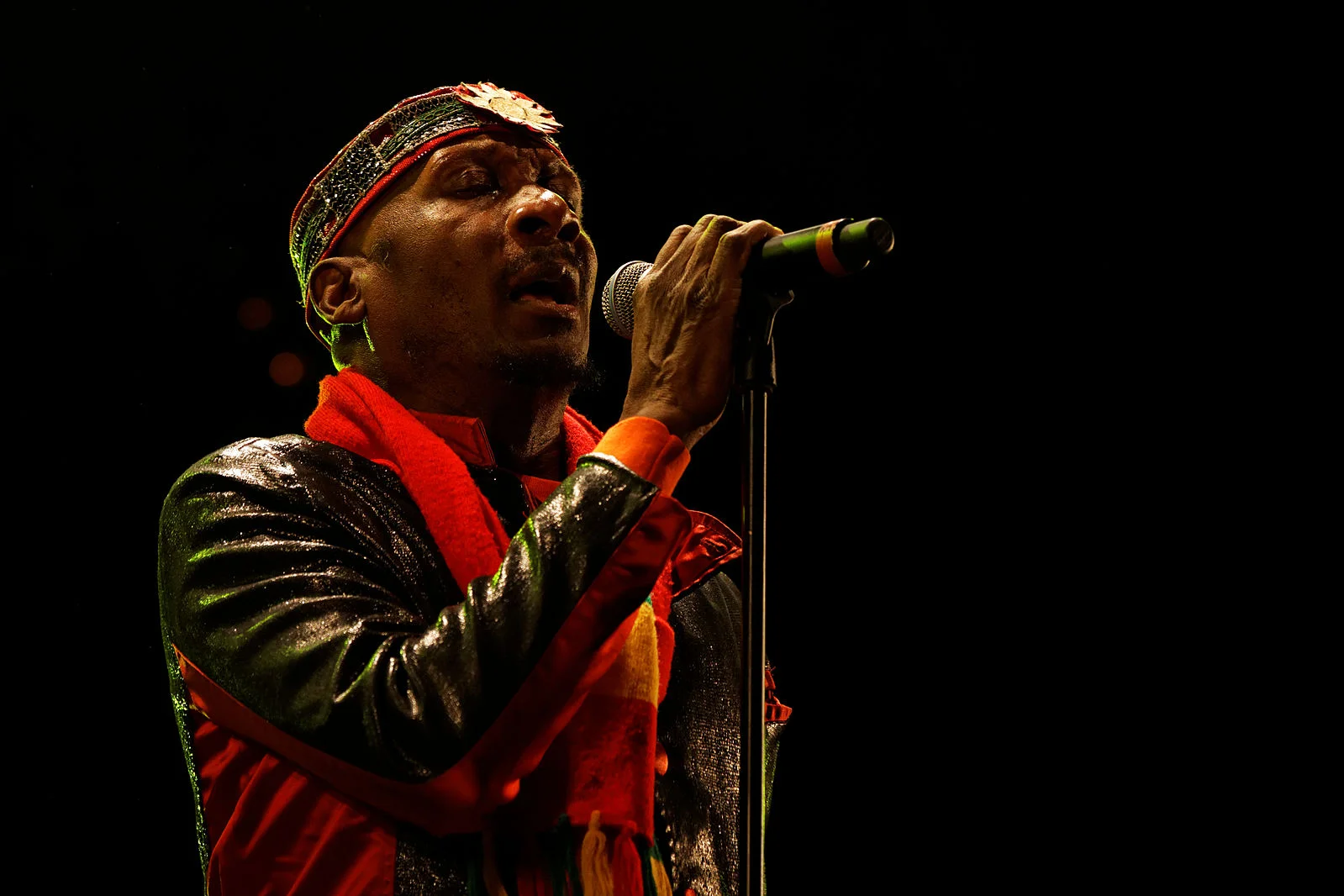
His wife, Latifa Chambers, shared the family’s sentiment about their loss on social media and thanked all those who had supported Cliff during his long and successful career.
Early Life and Rise to Fame
Jimmy Cliff (born James Chambers on July 30, 1944) grew up in St. James Parish, Jamaica. He later moved to Kingston at a young age to follow his dream of being a musician. He developed his musical abilities at an early age and became successful nationally at the age of 14 with the hit song “Hurricane Hattie”. Jimmy Cliff’s music style reflects the evolution of Jamaican music throughout the history of ska and rocksteady to reggae and helped establish reggae as an international genre.
In the 1960s, Chris Blackwell (founder of Island Records) was instrumental in helping the singer Jimmy Cliff expand his artistry by bringing Cliff to England, where Cliff recorded a number of successful songs, gaining worldwide fame. The combination of the unique sound of Jimmy Cliff’s music and the words of hope and resistance erupting in Cliff’s songs helped him become an ambassador for reggae music around the world.
Music and Film Legacy
Jimmy Cliff was an international music legend thanks to his landmark album “Wonderful World, Beautiful People” which spawned hits such as “Many Rivers to Cross” that will live on forever. His influence on many artists and his contribution to the dissemination of the social messages contained within reggae music around the world cannot be understated.
In 1972, Cliff made an appearance in “The Harder that They Come,” a pioneering crime drama about the life of a young reggae musician trying to make it in Kingston. This film brought reggae music to the forefront of cultural consciousness, allowing everyone to understand the social and political difficulties that the Jamaican people endure.
During his lifetime, Cliff received two Grammy Awards and was inducted into the Rock and Roll Hall of Fame in 2010. He received the Order of Merit from the Jamaican government, which is the highest honour that the country bestows to recognize excellence in the arts.
Later Years and Impact
At the same time as having health problems, such as losing his vision (from a detached retina), Jimmy Cliff continued to make music, encouraging future generations of musicians, and participating in numerous humanitarian efforts. Cliff recorded many new albums and played many musical festivals worldwide during this time while still working on various Hollywood soundtracks, demonstrating that he had a great continuing passion for making music.
His death represents the loss of a foundational figure in reggae and world music. Fans all over the world are mourning the loss of a musician whose songs entertained as well as served as a platform for social justice issues.