
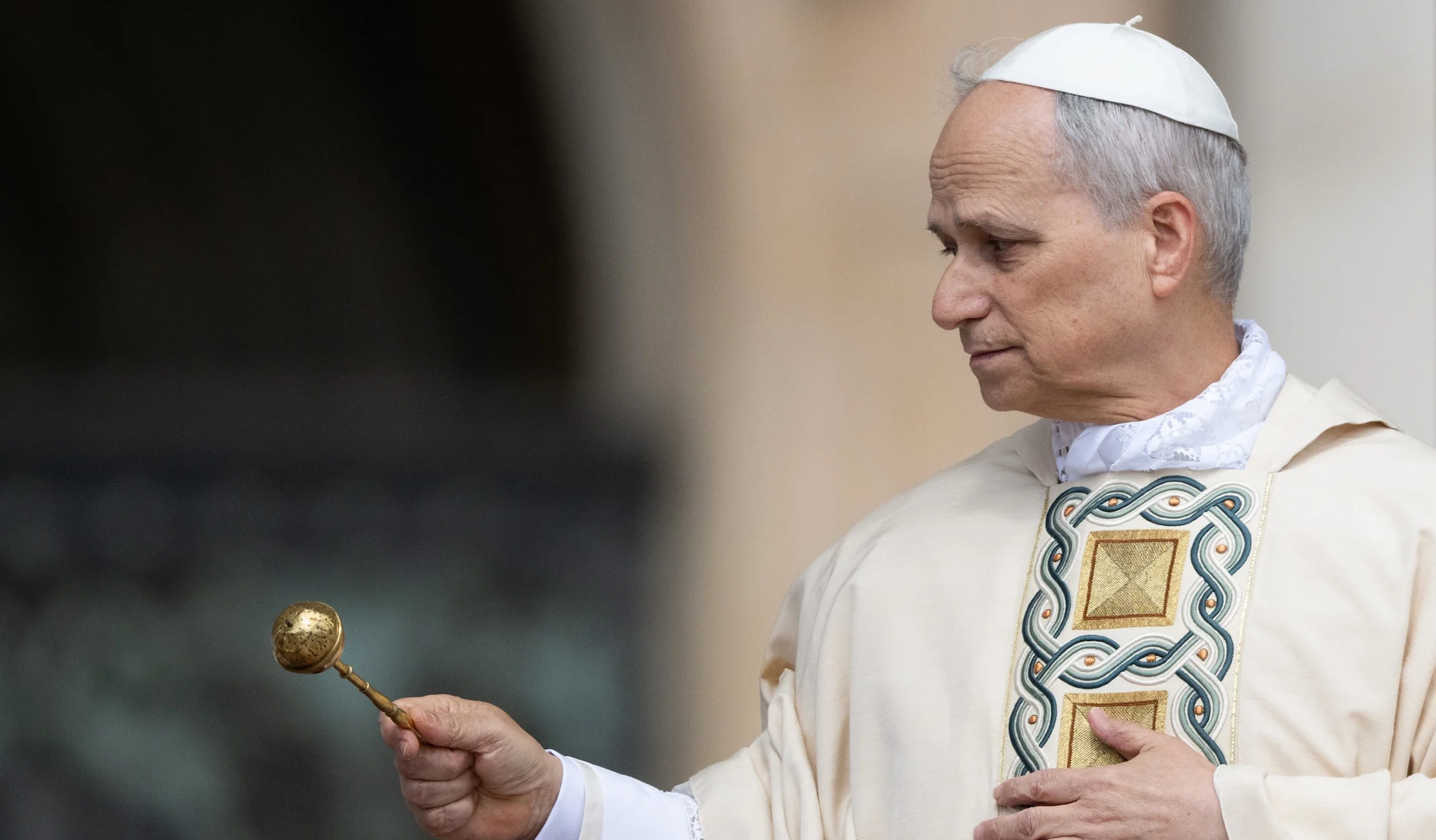
Pope Leo XIV left Algeria on Wednesday and headed to Cameroon, continuing an ambitious four‑nation journey that underscores how central Africa has become to the future of Catholicism—and how fraught its politics and conflicts remain. The first American pontiff is expected to spend four days in the Central African country with a message of peace for its war‑scarred Anglophone regions, calls for clean governance, and gestures aimed at showing African Catholics “how much they matter” in a church where their numbers are soaring, but their influence is still catching up.
From Algiers to Yaoundé: a tour with high stakes
Leo XIV’s arrival in Cameroon comes midway through an 11‑day African tour that began in Algeria and will later include Angola and Equatorial Guinea, covering nearly 18,000 kilometers and 11 cities. In Algiers, the first‑ever papal visit to the predominantly Muslim country, he prayed at the Basilica of Our Lady of Africa and visited the Great Mosque, framing his journey as a bridge‑building mission in a region marked by religious diversity and tensions.
If Algeria showcased a tiny Catholic minority navigating a Muslim‑majority environment, Cameroon offers a different landscape: a country where more than half the population identifies as Christian, Catholics fill churches and seminaries, and the Church is woven into social and political life. Vatican officials say the trip is designed to “listen and encourage” a continent where Catholicism is growing faster than anywhere else, yet where war, corruption and poverty threaten to undercut that growth.
Cameroon: church powerhouse, fractured nation
Pope Leo is scheduled to be in Cameroon from April 15 to 18, with events in the capital Yaoundé and the metropolitan sees of Douala and Bamenda. Catholic media note that Cameroon, with roughly 30 million people and more than 200 ethnic groups, is one of Africa’s most important Catholic hubs, home to thriving parishes, seminaries and lay movements that feed the global church.
Yet the country is also deeply divided. For nearly a decade, security forces have been locked in conflict with separatist groups in the Anglophone northwest and southwest, where English‑speaking minorities say they have been marginalized by the Francophone‑dominated state. The long‑running crisis has killed thousands and displaced hundreds of thousands, with clergy and churches sometimes caught between the two sides.
Ahead of Leo’s visit, separatist groups announced a three‑day pause in fighting, citing respect for the pontiff and allowing civilians to attend events. That ceasefire does not resolve the underlying conflict, but it underscores how the pope’s presence can create rare moments of calm and shared focus in a battered region.
Message to a 93‑year‑old president and a weary people
The political context is fraught. NPR reports that Leo XIV’s agenda includes talks with President Paul Biya, the 93‑year‑old leader who has ruled since 1982 and last year secured an eighth term in elections widely criticized by opposition groups. Vatican briefings suggest the pope will raise themes of corruption, abuse of power and the need for “appropriate political leadership” in a resource‑rich country where many citizens say they have not seen the benefits.
Reuters notes that Leo has repeatedly criticized authoritarian tendencies and urged leaders to listen to their people, a line that has drawn rebukes from some governments and from President Donald Trump, who again attacked the pontiff on social media ahead of this trip. Asked about those comments en route to Algeria, Leo said he had “no fear” of the Trump administration, insisting that “the duty of a pastor is to speak for those whose voices are ignored.”
In Cameroon, that stance is expected to translate into careful but pointed language about governance, human rights, and the need to tackle graft that drains public resources away from schools, clinics and jobs, issues where local bishops have long been vocal.
A packed schedule: cathedrals, camps and “encounters for peace”
According to Vatican News and Catholic outlets, Leo XIV’s program in Cameroon includes:
- An arrival ceremony and address to civil authorities and diplomats at the presidential palace in Yaoundé.
- Mass in the capital with tens of thousands expected, highlighting the role of families and catechists.
- Visits to an orphanage and social‑service centers run by religious orders, underscoring the Church’s role in education and health.
- A private meeting with Cameroon’s bishops to discuss pastoral challenges, vocations and relations with the state.
On April 16, he is due to fly to Bamenda in the restive northwest, where he will lead an “encounter for peace” with Christians and Muslims at St. Joseph’s Cathedral, followed by an open‑air Mass “for justice and peace” expected to draw around 20,000 people. Later, in Douala, the country’s main port and commercial center, he will meet young people and business leaders, urging them to resist corruption and foster what he has called an “economy of dignity” in previous trips.
Church leaders say these events are meant not only as liturgical celebrations but as platforms where victims of violence, displaced families and grassroots activists can be seen and heard at the highest level.
Africa at the center of a global church
Behind the cameras and crowds lies a strategic calculation. Africa is now home to about 288 million Catholics, roughly 20 percent of the global total, and is the fastest‑growing region for the Church, according to Vatican statistics. Yet Africans remain underrepresented in positions of senior leadership in Rome, and many local Catholics feel their concerns, from conflict and climate shocks to migration, do not always shape the global agenda.
The New York Times reports that Leo’s visit to Cameroon is designed in part to answer that frustration by “showing African Catholics how much they matter,” both symbolically and in concrete commitments. That includes highlighting local saints and martyrs, listening sessions with youth and catechists, and explicit praise for African liturgical styles and family networks that keep parishes vibrant.
At the same time, the pope has signaled that he expects African bishops to join him in confronting abuses and clericalism, including in seminaries and church‑run schools. His challenge in Cameroon is to encourage pride without feeding nationalism, and to call for reform without undermining local pastors already operating in fragile contexts.
Balancing peace appeals with political minefields
The stop in Cameroon also illustrates the tightrope the Vatican walks when it steps into active conflicts. Leo XIV has framed himself as “a man of peace,” but any gesture, a handshake with a president, a prayer with separatist leaders, a visit to a military hospital, can be read as taking sides.
Crux notes that the three‑day separatist truce, while welcome, has already sparked debate: some fear it allows the government to showcase “normalcy” during the papal visit without addressing root causes, while others worry that militants will use the lull to regroup. Human‑rights groups have urged the pope to privately press Biya’s government on abuses by security forces, including arbitrary arrests and village burnings documented by international monitors.
Vatican officials say Leo will encourage all sides to commit to dialogue and humanitarian corridors, without inserting himself into specific political negotiations—a position designed to keep the Church seen as a moral voice rather than a partisan actor.
A continent watching
From Catholic parishes in Lagos to secular studios in Paris, Leo XIV’s Africa tour is being read as a test of whether the first American pope can translate his rhetoric about the “peripheries” into sustained attention and change. Cameroon, with its mix of vibrant faith and deep fractures, offers both an opportunity and a warning: it shows what African Catholicism can be, and what it risks becoming if conflict and corruption are left to fester.
After Cameroon, Leo is scheduled to continue to Angola and Equatorial Guinea, where he will press similar themes of peace, environmental justice, and economic fairness. But for many in Central Africa, it is this leg, coming directly after Algeria, in a country living through its own slow‑burn war, that will define how seriously Rome takes their struggles.
For now, the images are of crowds lining streets in Yaoundé, banners fluttering in Bamenda and Douala, and a white cassock stepping onto Cameroonian soil with a simple message repeated in homilies and interviews: Africa is not a peripheral stage for the Catholic Church; it is one of its beating hearts.