
New York City has launched a mandatory safety training program for app‑based delivery workers, marking the latest step in a broader campaign to curb traffic deaths, lithium‑ion battery fires and exploitative working conditions in a sector that now moves an estimated 400,000 orders across the five boroughs every day.
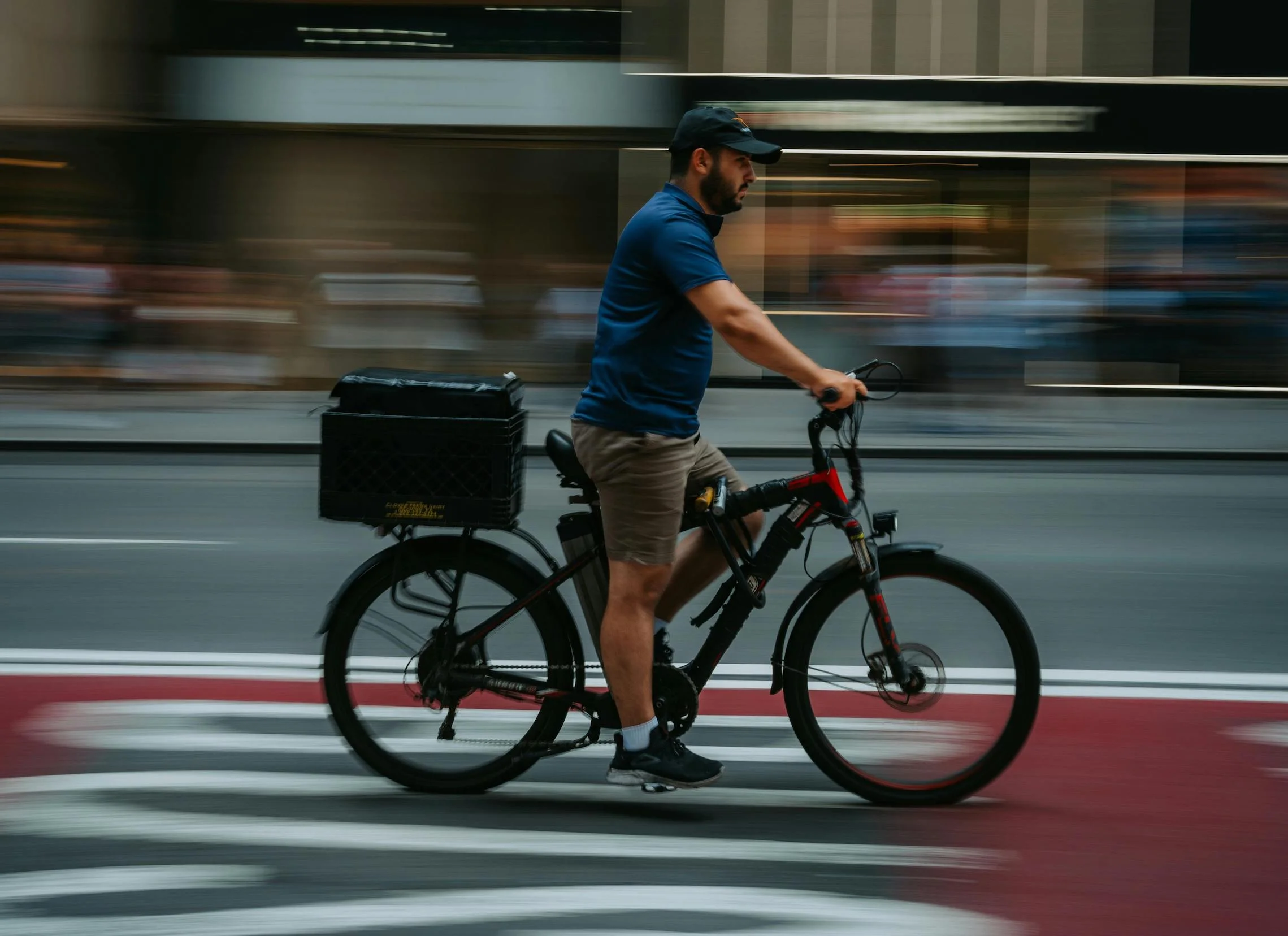
The online course, branded “Do You Deliver?”, is backed by new local laws that shift legal responsibility for training and equipment onto delivery apps like Uber Eats, DoorDash, Grubhub and Instacart, rather than the largely immigrant workforce that powers them.
What the new training requires
According to a statement from the Department of Transportation, the “Do You Deliver?” course is now required for all workers who deliver by bicycle, e‑bike, or cargo bike in New York City, whether they are employed directly by a restaurant or contracted through a third‑party app. The training, which takes about 15–20 minutes to complete, covers:
- New York City traffic laws and rules of the road for cyclists
- Safe riding techniques in busy streets and bike lanes
- Proper use, charging and storage of lithium‑ion batteries
- Delivery workers’ rights, including access to safety equipment
The course is hosted on the NYC DOT website and is available in five languages – English, Spanish, French, Bengali and Chinese – reflecting the linguistic reality of the city’s deliveristas. Workers who complete it receive a digital certificate they can show to employers or app partners; under city rules, businesses must record completion dates on their cyclist rosters.
DOT says the curriculum was updated to comply with a City Council law passed last year, and the agency will run a month‑long outreach campaign on the streets and online to make workers aware of both the training and their right to safe equipment.
Apps on notice: helmets, vests, and ID numbers
The new training does not stand alone; it is part of a bundle of regulations that increasingly treat delivery apps as employers for safety purposes, even when they classify riders as independent contractors.
In a letter sent 8 April, DOT reminded Uber Eats, DoorDash, Grubhub, Instacart and others that local law requires them to ensure their workers complete the course and to provide basic safety equipment at no cost, including a compliant helmet, bike bells, lights, reflectors, and high‑visibility vests. The Department of Consumer and Worker Protection issued similar notices earlier in the year, warning gig‑economy apps that they must follow the city’s worker‑protection rules.
Streetsblog reports that the same law obliges app companies to issue each worker a unique ID number, displayed on their person and carried as a card with name and photo, a measure intended to help enforcement and deter reckless riding without blanket crackdowns. City officials say these requirements are designed to move away from the previous administration’s approach, which focused on ticketing individual cyclists, toward one that holds “large tech companies profiting off them accountable.”
Safety context: crashes, fires, and a changing legal landscape
The training push comes after a string of high‑profile deaths and fires involving delivery workers and their equipment.
Local coverage and advocacy groups have recorded at least 25 delivery worker deaths in traffic crashes over the past five years, many involving larger vehicles and dangerous intersections. At the same time, a wave of residential fires linked to uncertified lithium‑ion batteries, often used in refurbished or imported e‑bikes, has killed, and injured New Yorkers, prompting scrutiny of how quickly riders are being pushed to cover long distances.
In 2025, the City Council passed what Micromobility Industries called a “landmark e‑bike law,” requiring delivery services to ensure any powered bicycle used for app‑based delivery meets city safety and certification standards. Crucially, the law bars companies from forcing workers to shoulder the cost of a compliant bike, which can exceed 2,000 dollars with batteries, as a condition of getting or keeping work. Council Member Oswald Feliz, who sponsored Local Law 95, said the goal is to create “a system where workers have the opportunity to trade their unsafe batteries for certified batteries,” addressing fire risks without bankrupting riders.
The “Do You Deliver?” course folds these evolving standards into a single place, explaining not only how to avoid crashes and fires but also what workers can demand from the platforms that rely on them.
A broader shift in how the city treats deliveristas
Advocates see the training as one piece of a larger rethinking of how New York treats delivery work – from enforcement to infrastructure.
Streetsblog notes that the Mamdani administration has already moved to end the previous “C‑summons” blitz that saw delivery riders ticketed for infractions like riding on sidewalks or going the wrong way, often in response to public complaints, while leaving the apps’ underlying delivery‑time pressures untouched. Instead, officials are signaling that future crackdowns will focus more on company practices and repeat dangerous behavior than on one‑off mistakes.
DOT and City Hall say they will work with the Council on new legislation to:
- Require delivery apps to provide trip‑level data on deliveries, penalties and safety incidents
- Allow the city to set safe delivery time standards and regulate how companies penalize workers for late orders
- Authorize enhanced training mandates for workers repeatedly flagged for unsafe riding
- Expand safety and training requirements to all two‑wheeled devices, including mopeds and motorcycles
Separately, the city has backed physical improvements like “deliverista hubs”, dedicated spaces where app‑based couriers can rest, recharge batteries, repair bikes and access resources, including the new training. A hub that opened in 2026 offers showers, phone‑charging stations, and legal clinics, reflecting an emerging view that delivery work is not a niche gig but a core piece of the city’s logistics.
Criticism and questions about enforcement
Not everyone is convinced the training will change behavior on the streets. On Reddit and local comment boards, some residents welcomed the idea but questioned whether a 20‑minute online course can meaningfully shift habits in a city of complex traffic patterns and intense delivery pressure. “Require delivery drivers to take an online class and then there is no enforcement if they still continue to ride dangerously,” one commenter wrote. “Yeah. This is going to work great.”
Enforcement remains a live question. DOT says it will oversee compliance in partnership with worker advocates and expects apps and restaurants to keep verifiable rosters of trained riders. But the agency has not yet detailed how often it will audit companies, what penalties they face for non‑compliance, or how it will avoid punishing workers who struggle with language barriers or digital access.
Worker groups, many of which pushed for the training, say its value will depend on whether the city follows through with strong rules on delivery times, e‑bike standards, and app accountability, so that couriers are not still forced to choose between safety and pay. For now, they describe “Do You Deliver?” as a necessary starting point, a basic, shared vocabulary for what safe, dignified delivery work should look like in a city that runs on take‑out and quick commerce.