
United States doubles tariffs on Indian imports to 50% and puts unprecedented pressure on one of the fastest-growing countries in the world and its key export industries amid trade tensions.
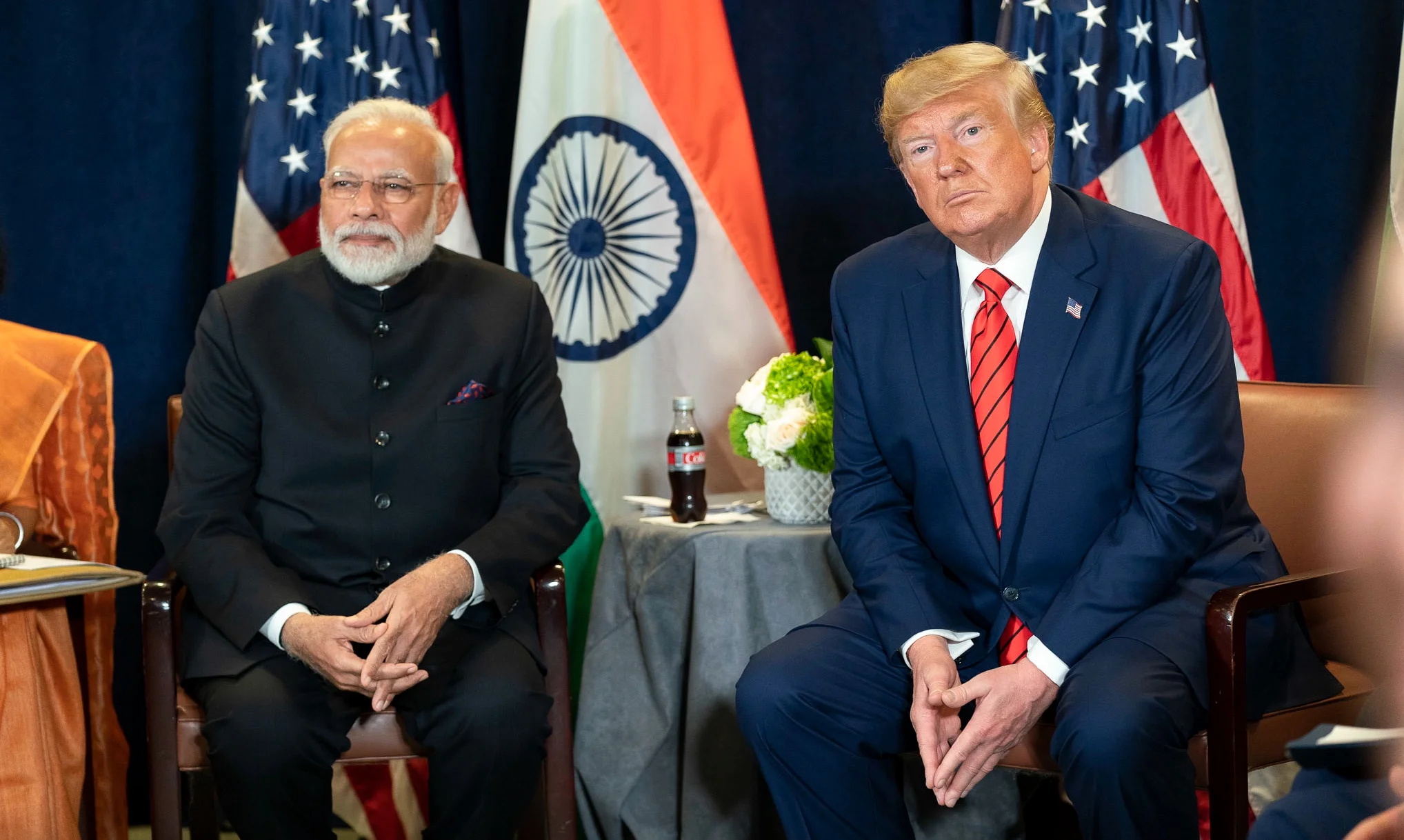
In a dramatic escalation of the existing tension over trade relations, the United States has officially doubled tariffs on key Indian imports to 50%, putting unprecedented pressure on one of the fastest-growing economies in the world and its most prominent export industries. The announcement of the tariff escalation came just days ago from the Trump administration. Nobody can remember or find higher tariffs levied by the United States on a trade partner in the past 20 years and similar incidents like five hundred percent are almost unheard of. The effects on the Indian economy and global markets are already destabilizing.
Tariff hike: The trigger and the scale
The latest U.S. action comes after months of stalled trade negotiations, and negotiators failing to broker a deal to resolve their fundamental trade differences over agriculture access, dairy standards, and – especially – India’s increasingly cavalier attitude towards importing Russian oil. The Economic Times reports the U.S. measure adds an additional 25% to existing duties on certain Indian goods, for a total of 50%. This increased percentage corresponds with other high-profile U.S. tariff increases on other countries and gives a strong indication of Washington’s frustrations in New Delhi regarding India’s policy decisions.
The new measures take effect immediately and will directly impact short supply sectors such as: textiles, gems and jewelry, leather, footwear, chemicals, sporting goods, and furniture. These industries comprise most of India’s export revenue from the United States. Goods in transit received a three-week exemption, but almost all goods shipped after the deadline faced a considerable duty increase.
The fallout for indian exporters and the domestic economy
For India, the impact is nothing short of dramatic. Of the approximate $86.5 billion that India exports to the U.S. every year, around $60.2 billion in goods (approximately two-thirds of the total) are subject to the new 50% tariffs, while another $3.4 billion mainly auto parts remain at the former 25% rate. Unlike other exports that affect foreign economies and domestic producers, India will get hit with tariffs mainly on pharmaceutical products, electronics, and petroleum—so it has a small buffer in its overall export position.
Estimates from the Global Trade Research Initiative suggest exports in impacted sectors may drop by 70%—from $60.2 billion to $18.6 billion causing overall Indian shipments to the U.S. to fall by more than 40%. Such a drop would jeopardize hundreds of thousands of jobs particularly in India’s politically significant export corridors, and it may pull India’s GDP growth down by up to 0.4% (or if tariffs persist, alarmingly maybe GDP will drop to below 6%). Several industry experts and economists are already warning GDP growth may be below 6% if tariffs last.
The view from Washington and the world
Officials in the Trump administration defended the more aggressive tariff escalation as a response to increased Russian oil purchases by India and disputes over market access. President Trump has reaffirmed the U.S. government’s right to reciprocal trade and implied, in his comments about tariffs, that other countries can expect similar actions by the U.S. government in the near future if trade imbalances or support for rival powers persists. According to CNN, “this targeting of India and the associated tariffs is arguably as high as the U.S. currently imposes, while heating up lingering tensions between Washington and New Delhi.”
American businesses and consumers are bracing for increased prices for apparel, accessories, and consumer goods manufactured by Indian suppliers and previously attracting competitive sourcing from India. Global supply chains may be entirely reconfigured in short order as buying patterns shift and companies will have to move orders to alternative production locations in countries like Bangladesh, Vietnam, and Sri Lanka.
India’s reaction: Diversification and damage control
New Delhi, in a firefighting mentality, has gone into action mode. With exports in textiles, gems, jewelry, leather, and seafood sectors most threatened, Indian officials have operationalized an outreach plan to engage stakeholders in 40 alternate markets (such as the UK, Japan, and Canada, as well as major European economies) to cushion the impact from reduced U.S. orders. The Ministry of Commerce has convened urgent stakeholder consultations, launch relief for the short-term and pursue new export opportunities.
Furthermore, the Modi federal government is making fiscal relief, interest subsidization, and other intervention for impacted sectors, and accelerating bilateral trade agreements with key allies outside the U.S. Experts suggest however, for India’s vibrant, but margin other sensitive export services, “It is not easy to regain market share lost. We need government support to weather this storm and reposition Indian industry in global markets”.
Broader implications: Global trade and geopolitics
The sectoral exceptions entailed in the ongoing exemption for electronics and pharmaceuticals highlight the intertwined nature of U.S.-India supply chains and the challenges of using tariffs as a diplomatic device. Several analysts perceive as escalation as a signal to other economies that must wrestle with trade with Russia or stay category-two out of U.S.-led trade structures.
The fight threatens not just the elements economic future for workers and firms on both end of the fight, but also U.S.-India strategic romance at a particularly pressing moment for geopolitics. With retaliation hanging out there, global markets are going to be looking to determine whether diplomacy can contain the fall-out, or whether the world’s largest and fastest growing democracies are headed for a longer-term trade gap.