
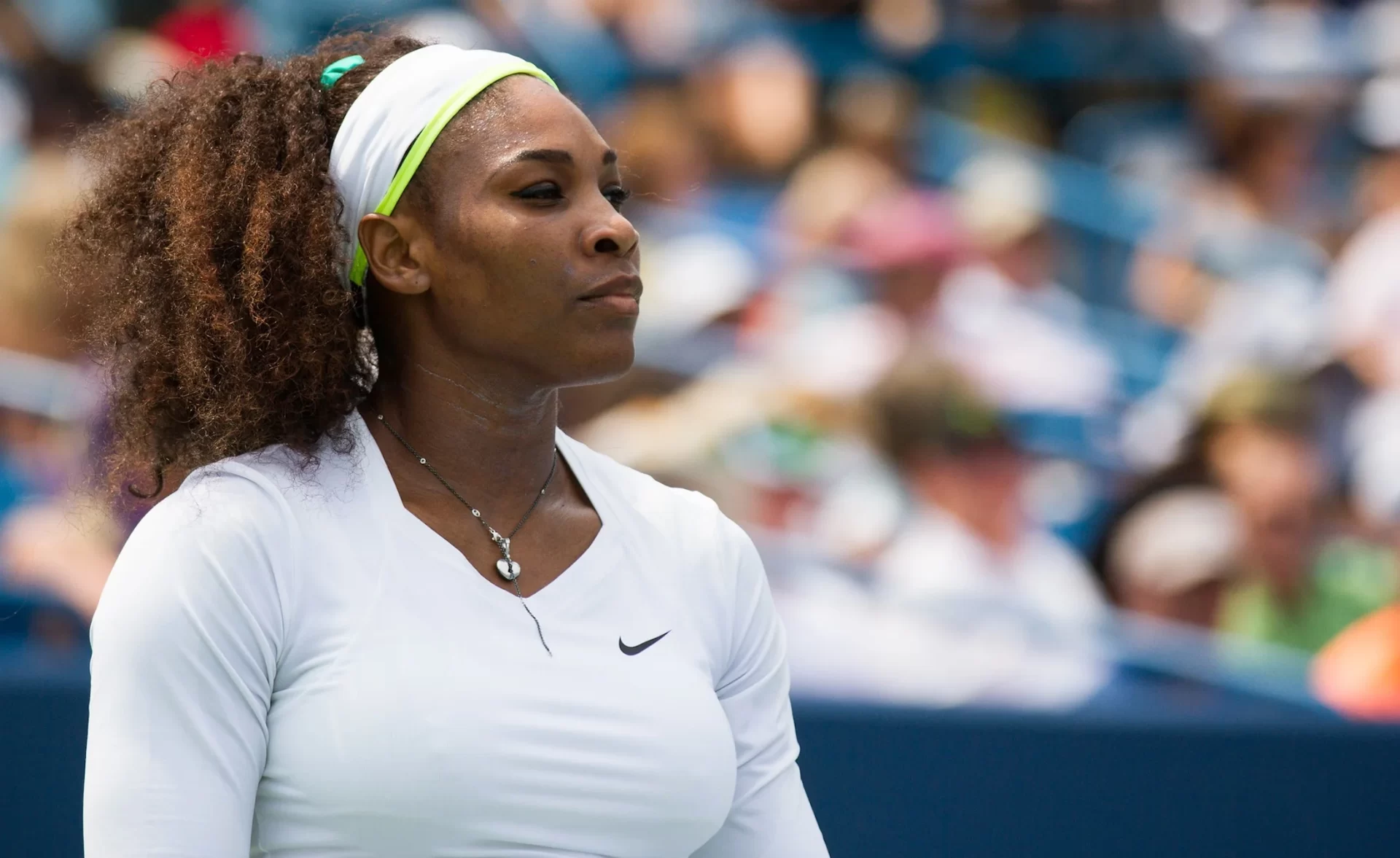
Serena Williams will return to professional tennis this month at age 44, nearly four years after she told the world she was “evolving away” from the sport she dominated for two decades. The 23‑time Grand Slam singles champion has accepted a wild‑card invitation to play doubles on the grass courts of London’s Queen’s Club at the HSBC Championships, a WTA 500 event that begins June 8 and serves as a traditional warm‑up to Wimbledon.
A doubles wild card on hallowed grass
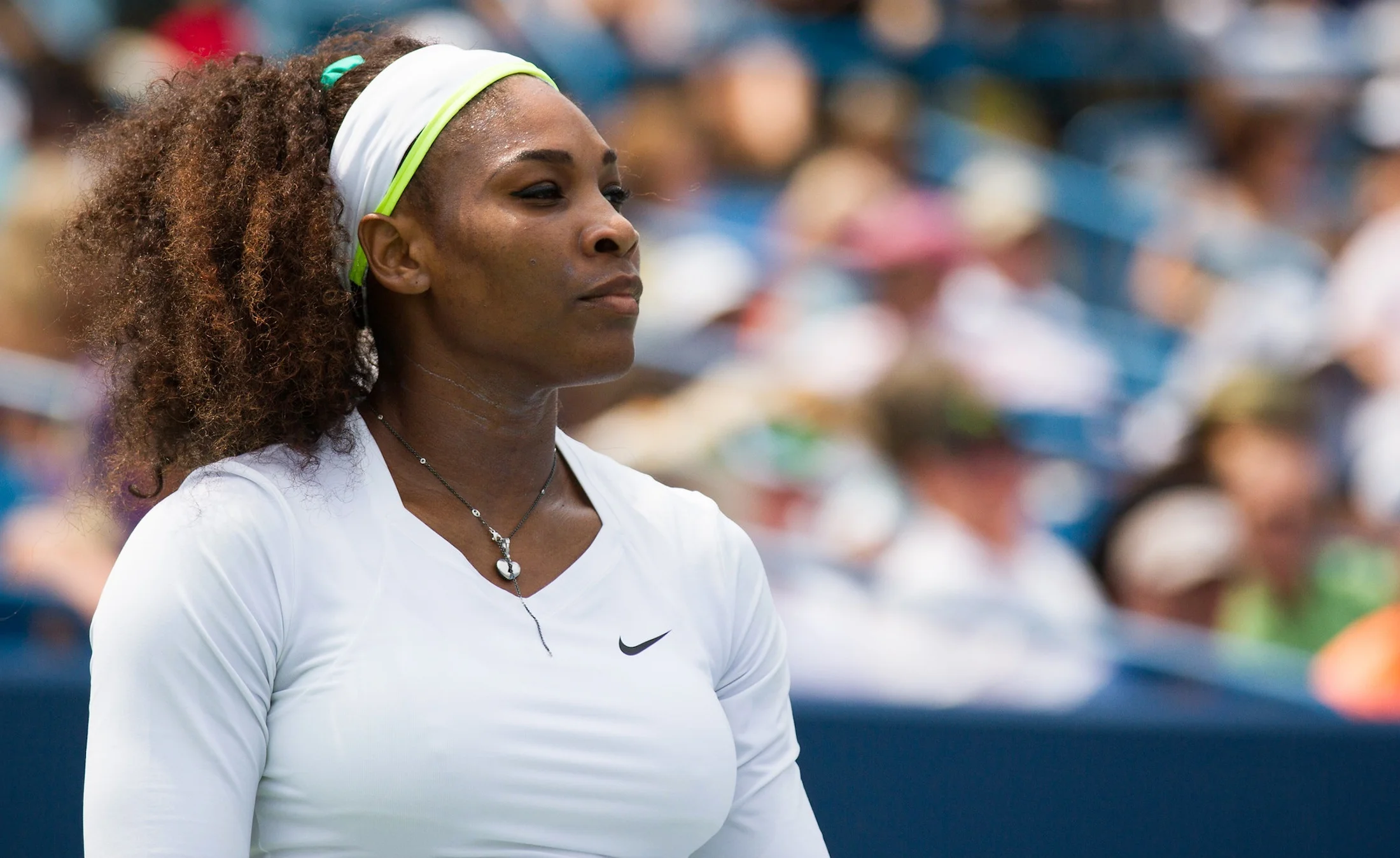
Williams’ comeback will begin not at a Grand Slam, but at the HSBC Championships at Queen’s Club, one of the sport’s oldest grass‑court tournaments. The Lawn Tennis Association confirmed that she has been awarded a wild card into the doubles draw of the WTA 500 event, which runs from June 8–14 on the club’s manicured lawns in west London.
ESPN reports that Williams announced her return on Monday, revealing she would play doubles at Queen’s after weeks of speculation about a possible comeback. “Grass has given me some of the most meaningful moments of my career, and I’m excited to be back competing on one of the sport’s most iconic stages,” she said in a statement released through the tournament.
Tournament director Laura Robson told the LTA and British broadcasters that Williams is expected to team up with 19‑year‑old Canadian Victoria Mboko, the current world No. 9 in singles, though the pair have not yet spoken publicly together about the partnership. The combination of a 23‑time Slam champion and a rising teenager instantly makes the Queen’s doubles field one of the most scrutinized of the season.
From “evolving away” to returning at 44
Williams last played a professional match at the 2022 U.S. Open, where she reached the third round in a run that was widely framed as a farewell at home. In a personal essay for Vogue that summer, she avoided the word “retirement,” saying instead that she was “evolving away from tennis” to focus on her family and business ventures.
Since then, she has given birth to her second daughter, Adira, continued to build her venture‑capital firm and fashion lines, and appeared in public mainly as an entrepreneur and cultural figure rather than as an athlete.
Yet she never filed formal retirement papers with the WTA, and toward the end of 2025, close observers noticed a subtle but important development: Williams’ name reappeared on the International Tennis Integrity Agency’s anti‑doping testing pool list, dated October 6, 2025. Under tennis anti‑doping rules, players who have been out of competition must give at least three months’ written notice of their intention to return and be available for out‑of‑competition testing for six months before playing.
Her re‑entry into that pool in February 2026 made her eligible to compete again, and, as The Athletic notes, indicated that she was at least seriously considering a comeback. Her team remained non‑committal in public, with Williams even joking on X earlier this year, “Oh my gosh, y’all, I’m NOT coming back. This wildfire is crazy,” when rumors intensified.
Monday’s announcement at Queen’s Club ended the uncertainty: “The G.O.A.T is BACK,” the WTA posted on social media, sharing video of Williams returning to the court.
Reaction: Can Serena make history again?
News of Williams’ return has rippled quickly through the sport. The WTA said in a press release that it “celebrates the news that Serena Williams is set to return to professional tennis, nearly four years after she stepped away from the sport at the 2022 US Open,” calling her “one of the most iconic women in the world” and praising her for expressing “her passion for competition.”
Olympics.com framed the comeback around a tantalizing question: could Williams become the oldest Grand Slam champion in women’s tennis history if she extends her return to singles and succeeds on the big stage? Margaret Court and other past champions have won majors in their early 30s, but a title at 44 would be unprecedented; even a deep run at a Grand Slam would reset expectations for what is possible in the women’s game.
Fellow players and commentators have been quick to welcome her back. Social‑media posts from former coach Patrick Mouratoglou and current WTA stars highlight awe at her longevity and intrigue at how she will match up against a generation that includes Iga Świątek, Coco Gauff and Aryna Sabalenka, players who grew up watching her dominate.
Doubles today, Wimbledon tomorrow?
The choice to return in doubles on grass appears deliberate. Doubles demands less court coverage than singles and allows an older player to lean on reflexes, serve and net play while easing back into match conditions.
The HSBC Championships also sit just over three weeks before Wimbledon, where Williams has seven singles titles, six women’s doubles titles and one mixed doubles crown. Tournament communications at Queen’s and commentary on TNT Sports have openly speculated that this could be a stepping stone to an appearance at the All England Club, even if only in doubles or mixed doubles.
Williams herself has not confirmed any Wimbledon plans. ESPN notes that her agent, Jill Smoller, did not immediately respond to questions about further tournaments, and neither Wimbledon nor the U.S. Open has announced any wild cards.
The Athletic suggests that at 44, Williams “may not have many more opportunities ahead” and is returning “primarily because she is able to,” implying that whatever follow‑up events come after Queen’s could depend heavily on how her body and game respond over that week.
What her return means for the WTA
Williams’ comeback arrives at what the WTA calls “a hugely exciting moment for women’s tennis,” with new stars emerging and streaming platforms vying for content. Her presence at Queen’s is expected to boost attendance and broadcast interest; the LTA says tickets are already selling fast for sessions where she is likely to play, and the event will be shown on BBC digital channels and Tennis Channel.
Beyond the immediate commercial bump, her return adds another chapter to a broader story of motherhood and longevity in the women’s game. Williams, a mother of two, joins a list of former world No. 1s — including Kim Clijsters, Victoria Azarenka, Caroline Wozniacki, Angelique Kerber, and Naomi Osaka — who have returned to top‑level competition after giving birth.
It also raises questions of competitive balance and narrative. For younger players, facing Serena Williams at a tour event is both a challenge and a marketing opportunity. For the WTA, her presence on draws alongside Świątek, Gauff and others offers storylines that bridge generations and could draw casual fans back to weekly tournaments, not just Slams.
A legend writing her own ending
Williams has long insisted on telling her own story on her own terms, resisting conventional labels such as “retirement” and maintaining a life that blends sport, business, and advocacy. Her decision to return now, in doubles, on grass, hints at a desire to revisit a surface that defined her greatness without immediately shouldering the physical burden of singles.
Whether this is the start of a sustained final act or a short, celebratory coda, her comeback ensures that one of the most consequential careers in modern sport is not yet finished. For now, the picture is simple: for the first time since 2022, Serena Williams’ name is back in a main‑draw bracket, and the tennis world, once again, will be watching.