
The Trump administration has revealed its plan to improve international travel for next summer’s FIFA World Cup in the United States. The policy aims to facilitate the visa interview process for ticket holders—the latest effort to address concerns about the bureaucratic bottleneck at the border, international tourism, and the logistics of hosting the world’s biggest sporting event. Dubbed the “FIFA PASS,” the policy aims to speed up and streamline access to visas for millions of soccer fans, while hopes to improve diplomatic goodwill and economic expectations, prior to the World Cup matches across 11 host cities.
The Policy: “FIFA PASS” Visa Fast-Tracking
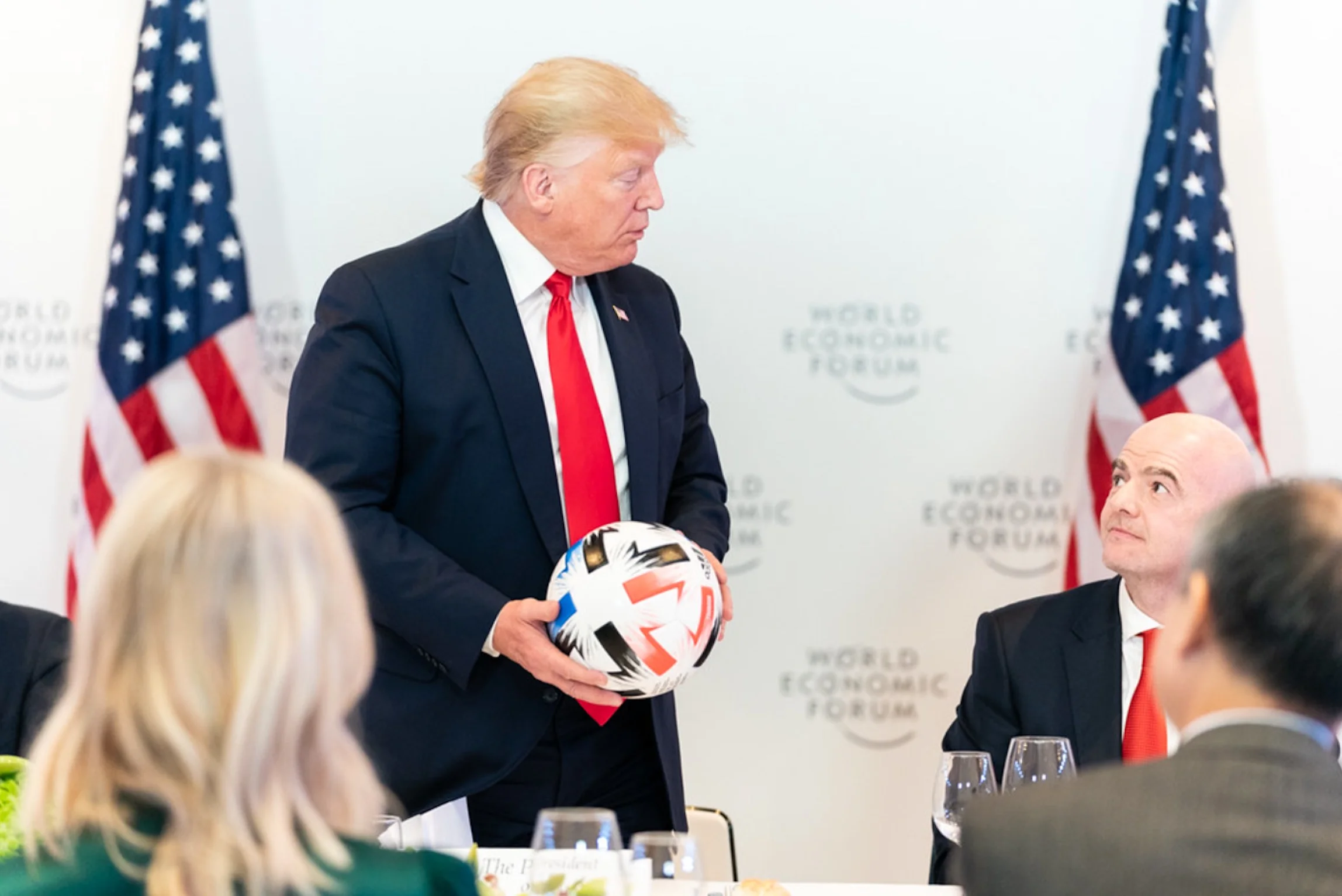
President Donald Trump, accompanied by FIFA president Gianni Infantino and Secretary of State Marco Rubio, announced that embassies and consulates around the world will allow people to have visa interviews faster if they show proof that they purchased tickets to the official World Cup event. The “FIFA PASS” will let fans skip traditional wait times, which can last for months in some countries for expedited interviews in an effort to allow for quicker and smoother access to the games. Those who purchased tickets are strongly urged to begin applying right away, as demand for seats is expected to increase before the event.
Rationale: Security, Diplomacy, and Economic Impact
Officials say that speeding up the process for traveler visas has two benefits: it increases security oversight during large global flows of fans, and it boosts the economy by bringing in more tourists, hospitality, and event-driven business. The US expects more than 2 million foreign visitors who are directly connected to World Cup matches. This is the biggest influx of sports fans since the 1994 tournament.
The government wants to stop long lines at consulates and border crossings by making things easier for bureaucrats and working with FIFA to digitally verify tickets. This is an important step in keeping security and screening efficient while still welcoming real fans.
Global Reaction and Fan Response
As to be expected, the policy has elicited generally positive responses from soccer organizations and international travel groups, who see “FIFA PASS” as a template for future mega-events. However, some critics have raised concerns about favoritism, fairness, and the possibility that normal business and tourism applicants will experience longer delays since the consular office will be reallocating resources to accommodate ticket holders.
In addition, several groups advocating for transparency have asked for further screening to ensure security practices are not violated by fast-tracking interviews.
Implementation Details: Who Qualifies and What’s Next?
Anyone who has a ticket, no matter what country they are from, can apply for priority appointments. They must show proof, either by showing a digital FIFA ticket code or by buying a physical ticket. The U.S. Department of State is working with consulates around the world to hire more staff, keep them open longer, and provide help in many languages. The department’s website and FIFA partner portals have detailed instructions, with a focus on applying early and verifying in advance.
Fans who don’t have tickets, like family and support staff, should apply for regular visa slots as soon as possible. Embassies have made it clear that there will be no exceptions to the core security vetting process.
Economic and Social Implications
The Trump administration envisions that enabling these visas for tourists will generate a boon in spending within the travel, food service, and lodging industries, along with secondary growth in local and retail and cultural activity. Local governments in host cities, such as New York City, Los Angeles, Atlanta, Dallas, and Miami, are all pouring resources into public goods and infrastructure upgrades to prepare for the crowds they will likely receive.
Economists expect direct tourism impacts, along with potential longer-term “soft power” benefits for the U.S. image as a welcoming country to the world. International event managers are watching closely to see if this model can be scaled for future Olympics or World Expos.
Economic and Social Implications
The “FIFA PASS” system promises to make things easier for fans and organizers, but it will be put to the test by a lot of people, security needs, and possible public scrutiny. Immigration lawyers say that clear rules are needed to avoid mistakes or fraud. On the other hand, experts in international diplomacy say that if the move is well-planned, it could solidify America’s role as a host for major global events in the next ten years.