West Africa does not anticipate an increase in cocoa production for a third consecutive season.
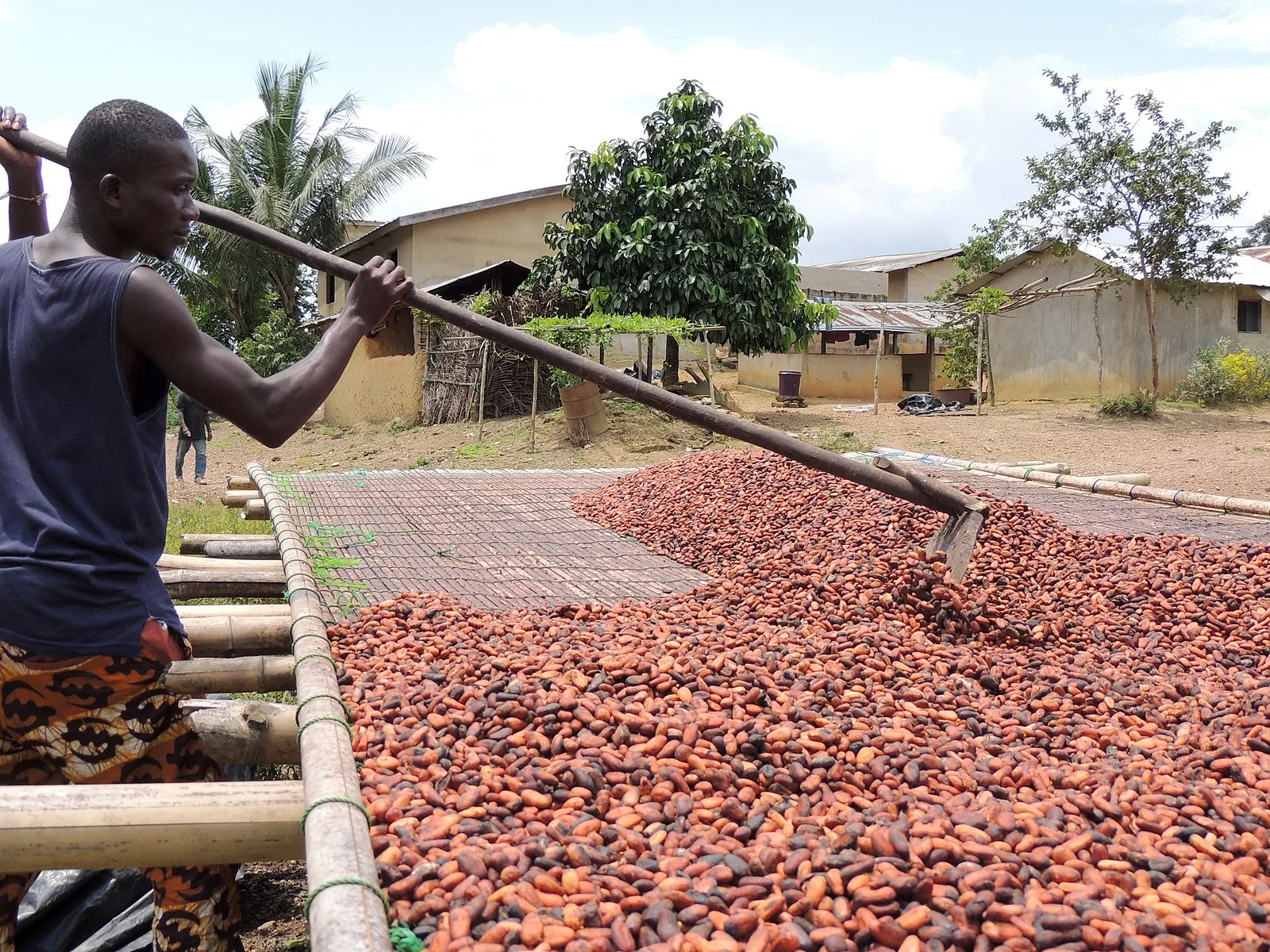
The world’s chocolate industry is understandably concerned with cocoa output projected to decrease 10% in West Africa for the 2025/26 season, according to recent estimates released by industry insiders and agricultural experts.
The forecasted decrease follows two consecutive years of below-average harvests, which threatens not only global supply chains, but the livelihoods of millions of individuals in West Africa.
Key Producers Hit Hard
West Africa, home to Côte d’Ivoire, Ghana, Nigeria, and Cameroon, accounts for more than two-thirds of the cocoa supply overall. Given that these countries produce are critical to the global market for chocolate, any disruption will impact cocoa supplies worldwide.
Current field surveys, conducted by pod counters and exporters, continue to find a downward trend in cocoa production, with Côte d’Ivoire and Ghana showing the steepest decline. Ghana’s production fell from over a million tons a few years ago to less than half during the last season.
Reasons for the Decline
A variety of factors, combine to account for a projected 10% decline in cocoa production:
Poor Weather: Extremely variable rainfall and excess moisture have already contributed to a range of harvest disruptions, particularly with disease outbreaks, and made it difficult for farmers to access their crops. Although there has been some improvement in weather conditions, the damage done by the earlier weather conditions remains.
Crop Pests and Diseases: Black pod disease and swollen shoot viruses, have inflicted serious damage on plantations, particularly in Ghana and Côte d’Ivoire. In Ghana alone, over 590,000 hectares have been affected by disease, while illegal gold mining has destroyed tens of thousands of hectares of farmland.
Old Trees: A significant portion of cocoa trees in the region are well past their peak productivity, and replanting rates aren’t keeping pace with the decline. Farmers frequently do not have financial resources to replace existing trees with new and disease resistant stock.
Economic and Logistical Constraints: Low access to fertilizers, financing and infrastructure also further limits farmers ability to recover from setbacks. Finally, high input costs and currency depreciation negatively impacted farmers’ profit margins and eventually deterred investment in the sector.
Market Implications: Prices and Supply Chain Stress
The anticipated 10% drop in West African cocoa production is already adding to volatility in global markets. The cocoa price has surged to all-time highs—increasing by more than 100% over the last year— as traders and manufacturers race to purchase limited supplies. As the West African harvests fall short of expectations, we could expect further price increases and shortages of chocolate products.
| Country | 2024 Output (tons) | 2025/26 Forecast Change |
| Côte d’Ivoire | ~1.6 million | -10% |
| Ghana | <500,000 | -10% |
| Nigeria | ~300,000 | -10% |
| Cameroon | ~220,000 | -10% |
Estimates based on industry reports and field assessments
The Human Effect
For millions of smallholder farmers, this decline in cocoa production means less money in their pockets and reduced ability to protect themselves for the future. Even if the world price for cocoa remains elevated (and it is true that many farmers cannot capture this since their yields decline, and price increases often accompany input cost increases), smith and others point out the pre-existing issues including child labor, access to inputs, and support from governments with which cocoa farmers must also contend.
Looking Forward
We will have more detailed assessments of the 2025/26 harvest late in August or September. Still, one team crunching the numbers is confident in this revelation: cocoa output, received from West Africa, which is almost always less than 5% of the global supply reliable, and with a decline of well over 10% is a challenge the global chocolate industry and its policymakers need to heed.
Correcting challenges like farmer support, climate resilience, disease, and similar factors will be necessary; without action, it is likely the cocoa sector will settle at lower levels, and the prospect of supporting a sustainable income-generating future from cocoa will be extinguished.