
Wall Street closed out the first full trading week of 2026 at record levels, even as fresh jobs data and shifting interest‑rate bets pointed to a slower‑growing U.S. economy beneath the surface. The S&P 500 and Dow Jones Industrial Average both notched new all‑time highs on Friday, while the tech‑heavy Nasdaq Composite also climbed, as investors weighed a weaker‑than‑expected December payrolls report against still‑solid corporate earnings and hopes that Federal Reserve rate cuts will arrive later this year.
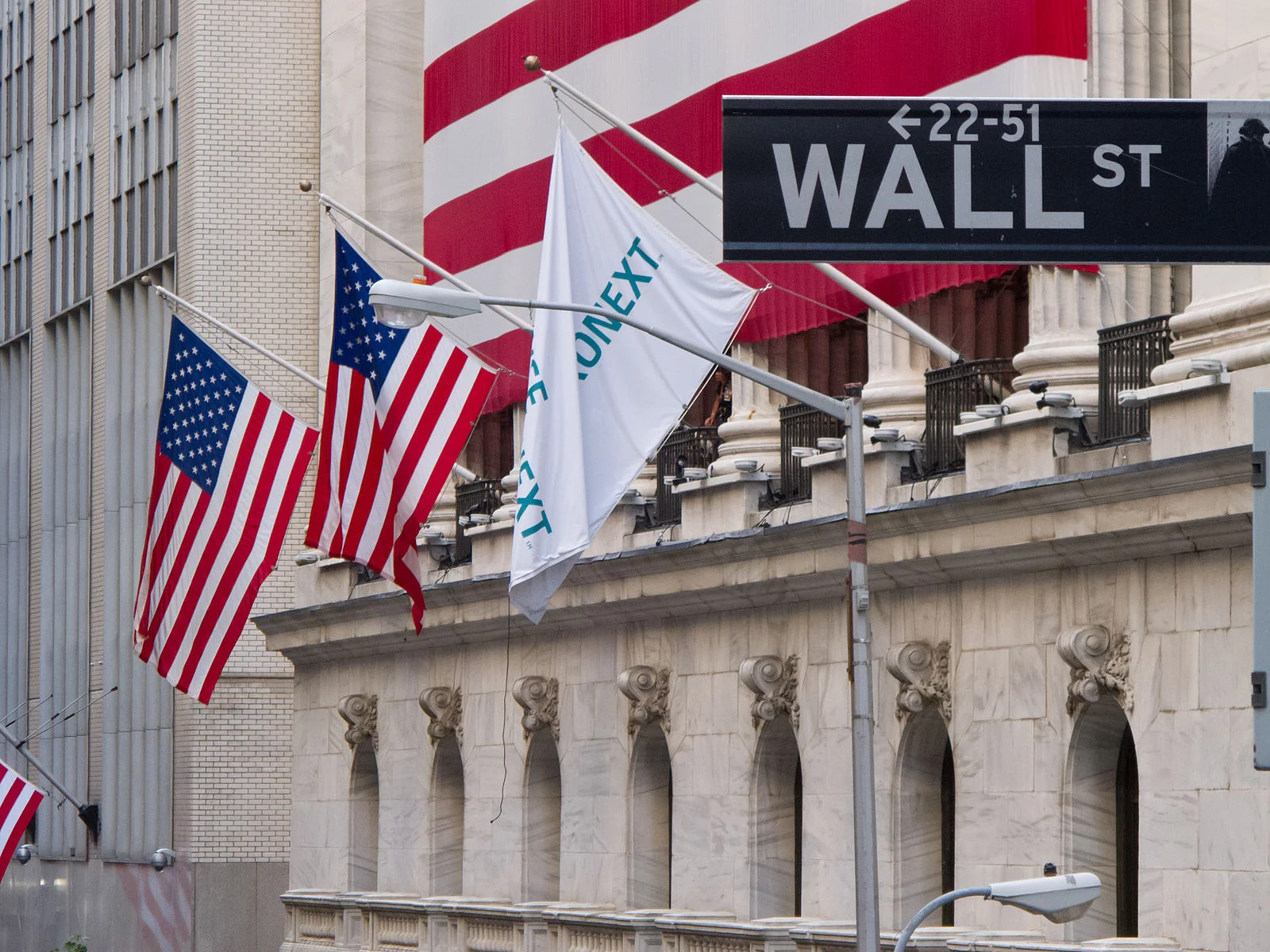
Records on the board after a choppy week
On Friday, the S&P 500 rose about 0.6% to finish at a new record close, while the Dow gained roughly 0.5%, also ending at an all‑time high. The Nasdaq Composite advanced around 0.8%, helped by strength in semiconductor and growth names, leaving all three major indexes up at least 1% for the week, their best performance since late November, according to market data cited by MarketWatch and Yahoo Finance.
Chipmakers were among the standout winners. Broadcom led gains in the S&P 500 after upbeat guidance tied to artificial‑intelligence demand, while other semiconductor names climbed in sympathy, extending a 2025 rally that has made AI‑linked hardware one of Wall Street’s key themes. Consumer‑facing names and industrials also contributed to the advance, offsetting pockets of weakness in energy and rate‑sensitive shares.
For global investors, the Wall Street gains provided a positive cue. European equity futures pointed higher in early Friday trade, with attention focused on U.S. economic data and the Federal Reserve outlook as drivers for both sides of the Atlantic.
Jobs report keeps the “low‑hire, no‑fire” narrative alive
Friday’s moves came after the December jobs report showed the U.S. economy added 50,000 nonfarm payrolls last month, below the roughly 70,000 economists had forecast. The unemployment rate fell to 4.4% from a revised 4.6% in November, continuing what analysts have described as a “low‑hire, no‑fire” labor market in which hiring has slowed but layoffs remain relatively subdued.
The softer‑than‑expected payroll gain reinforced the view that economic growth is cooling without a sharp recession, a combination some investors see as compatible with eventual Fed rate cuts. However, the unexpected drop in the jobless rate prompted bond traders to further scale back bets on an imminent move: interest‑rate futures on Friday showed almost no chance of a cut at this month’s meeting, with markets instead pricing in two reductions over the course of 2026, starting around mid‑year.
“Labor market data were soft on the headline jobs number but not weak enough on unemployment to force the Fed’s hand right away,” one strategist told Bloomberg, summarizing a mood of cautious optimism rather than euphoria.
Yields hold steady as Fed cut hopes adjust
U.S. Treasury yields were little changed on Friday as investors digested the employment figures and watched for any hint of a Supreme Court ruling on President Donald Trump’s tariff program, which did not materialize before the close. The 10‑year note hovered around 4.17%, the two‑year yield traded near 3.51% and the 30‑year bond sat just under 4.86%, leaving the yield curve still inverted but less so than at the height of last year’s rate‑hike cycle.
Bond traders “all but wiped out” wagers on a January rate cut after the unemployment rate fell more than expected, pushing short‑maturity yields to their highest levels this year. At the same time, options activity signaled that some investors are positioning for longer‑term yields to drift lower into the spring, consistent with a scenario in which inflation continues to ease and the Fed can cautiously reduce borrowing costs later in 2026.
For equity markets, the combination of steady long‑term yields and dialed‑back near‑term cut expectations has so far proved manageable, especially for large technology and growth stocks that had been sensitive to swings in the 10‑year benchmark.
Tariff ruling looms over trade‑sensitive stocks
Beyond macro data, Wall Street is watching Washington. Investors spent much of Friday awaiting a possible Supreme Court ruling on the legality of Trump’s sweeping tariffs, which have reshaped global trade flows and corporate supply‑chain planning. The high court ultimately did not issue a decision, indicating that the next opinion day would be on Wednesday, 14 January.
The delay left shares in trade‑exposed sectors, industrial exporters, retailers reliant on imported goods and some automakers, modestly volatile but without a clear direction. Analysts say a ruling that undercuts the administration’s tariff authority could ease cost pressures for some companies but might also inject uncertainty into policy just as businesses adjust to the current regime.
In pre‑market trading earlier in the day, housing‑related stocks such as Opendoor and Rocket Companies outperformed after Trump urged his “representatives” on social media to buy 200 million dollars of mortgage bonds to help reduce housing costs, a move seen as symbolic but supportive of sentiment in the sector.
Corporate stories behind the moves
Company‑specific news also shaped Friday’s tape. Opendoor shares jumped about 9% and Rocket rose roughly 5% after the president’s mortgage‑bond comments, which investors interpreted as a signal that the administration wants to be seen pushing down borrowing costs in a still‑tight housing market. General Motors slipped nearly 2% after warning in a Securities and Exchange Commission filing that it expects to take an additional 6‑billion‑dollar charge related to its electric‑vehicle operations, underscoring the challenges legacy automakers face in ramping up EV production profitably.
Broadcom and other chipmakers led the broader tech sector higher, as markets continued to reward companies seen as beneficiaries of AI‑driven demand for data‑center and networking hardware. Meanwhile, defensive sectors such as utilities and consumer staples lagged, reflecting a risk‑on mood as the indexes pushed to fresh highs.
For European and Asian investors, U.S. moves fed into a global pattern of solid early‑year gains across major benchmarks, with MSCI’s world index also on track for a positive week.
Outlook: records in sight, uncertainties ahead
Strategists caution that a single strong week does not settle the big questions hanging over Wall Street in 2026: how quickly the Fed will cut rates, whether corporate earnings can grow in a slowing economy, and how political and legal decisions, from tariffs to regulatory policy, will affect valuations.
Asset managers such as BlackRock and others project that the most likely path is for the Fed to bring its key rate down from the current 3.50%–3.75% range toward roughly 3% by year‑end, provided inflation and labor‑market data continue to move in the right direction. But they also flag potential volatility around the expiry of Fed Chair Jerome Powell’s term in May and the appointment of any successor.
For now, investors appear willing to look past softer hiring and mixed economic signals as long as earnings hold up and inflation keeps easing. Wall Street’s latest records reflect that balancing act: a market betting that the landing will remain soft and that, at least for the moment, there is more to gain than to fear at the top.