
Grammy-nominated musician, producer and Fugees collaborator John Forté has died at his home on Martha’s Vineyard at age 50, sending shockwaves through the hip‑hop and singer‑songwriter communities he bridged for three decades. Police in Chilmark, Massachusetts, said a neighbor found Forté unresponsive on his kitchen floor Monday afternoon; he was pronounced dead at the scene and authorities say there are no signs of foul play, with the exact cause of death still under investigation.
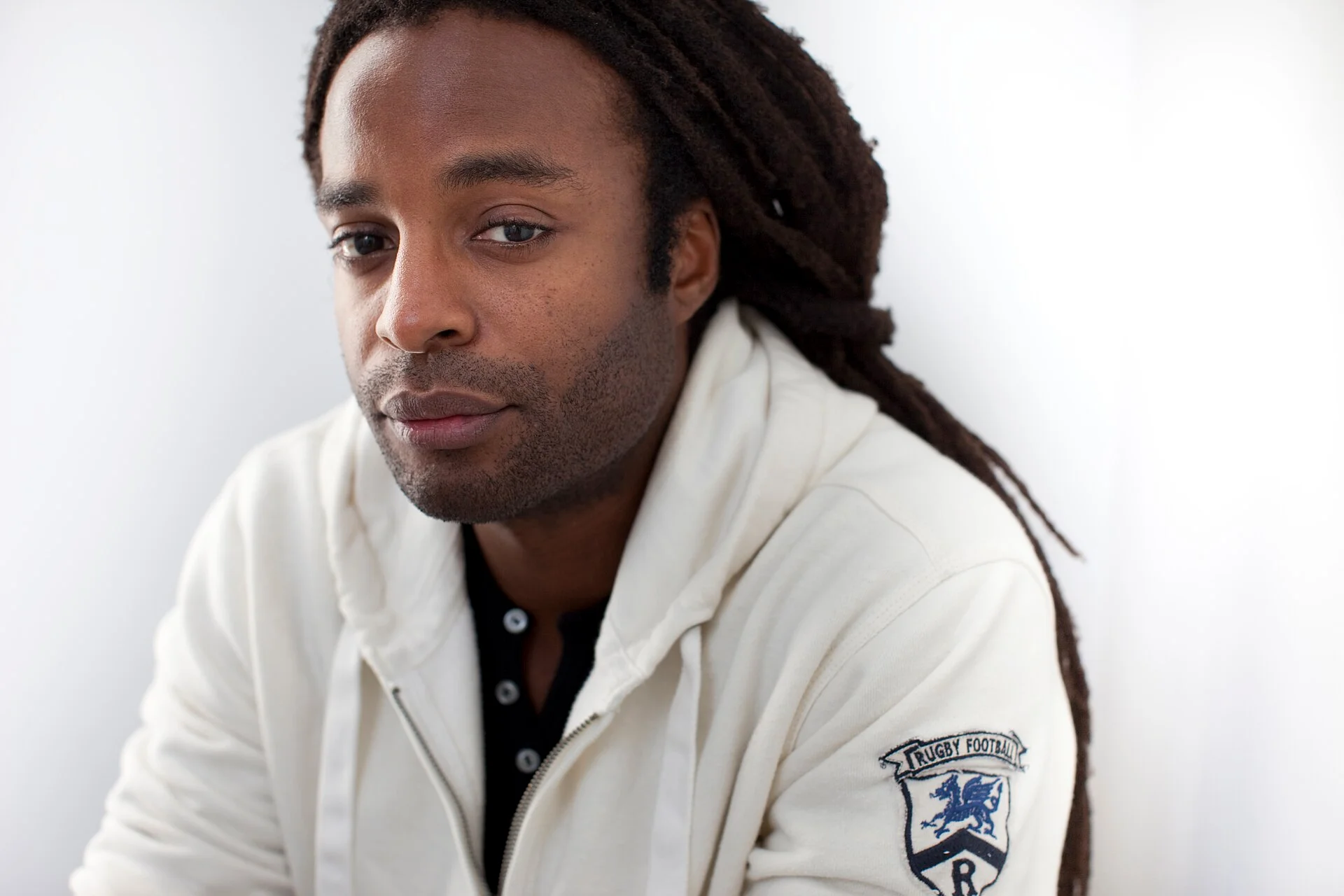
Sudden death on Martha’s Vineyard
Chilmark police said they were called around 2:25 p.m. Monday after a neighbor discovered Forté alone and unresponsive on the kitchen floor of his home on Hewing Field. Officers arrived within minutes and found him not breathing; he was pronounced dead at the scene and his body was later removed by a local funeral home.
Police Chief Sean Slavin said there were no signs of foul play and described the case as an “unintended death” pending a medical examiner’s report, which will determine the precise cause. Friends told local outlets that Forté had suffered a serious health scare about a year ago when he was hospitalized after a seizure and had since been taking medication to guard against a grand mal seizure.
Forté, who would have turned 51 on January 30, had made Martha’s Vineyard his year‑round home for roughly a decade, living there with his wife, photographer Lara Fuller, and their two children. “It is such a small community, this death hits close to home,” Slavin said.
From Brooklyn prodigy to “The Score”
Born in Brooklyn in 1975, Forté studied violin as a child and became a multi‑instrumentalist before graduating from Phillips Exeter Academy in 1993. He met Lauryn Hill in the early 1990s and was drawn into the Fugees’ creative orbit, eventually co‑writing, and producing several tracks on their 1996 breakthrough album “The Score,” including “Family Business” and “Cowboys.”
“The Score” went multi‑platinum and won the Grammy Award for best rap album; Forté was nominated for a Grammy for his work on the record at just 21. He also collaborated with the Refugee Camp All‑Stars and with Wyclef Jean on “The Carnival,” helping shape a hybrid sound that blended hip‑hop, Caribbean influences and live instrumentation.
Alongside producing, he pursued a solo career, releasing “Poly Sci” in 1998 and “I, John” in 2002, the latter recorded while he was under a cloud of legal trouble and featuring guests such as Herbie Hancock and Carly Simon.
Prison, a presidential commutation and a second act
In 2000, Forté was arrested at Newark International Airport and charged with possession and intent to distribute liquid cocaine after authorities found a suitcase filled with the drug. Convicted under federal mandatory minimum sentencing rules, he received a 14‑year prison term and served about seven years at a low‑security facility in Pennsylvania.
Friends and supporters, including Carly Simon and her son Ben Taylor, mounted a vocal campaign arguing his punishment was excessive. In November 2008, President George W. Bush commuted Forté’s sentence, leading to his release just before Christmas that year.
He returned to music and advocacy, recording the EP “StyleFree” in 2009 and writing “Something to Lean On,” the first theme song for the Brooklyn Nets, in 2012. He toured, spoke publicly about mass incarceration, and described Simon as his “spiritual godmother,” crediting her with helping him rebuild his life.
A Vineyard life and late creative flourish
Forté first visited Martha’s Vineyard at the invitation of Ben Taylor in the late 1990s and eventually moved to the island full‑time about a decade ago, drawn by its tight‑knit community. He became an integral part of the local music scene, performing at small venues, collaborating with island artists, and raising his family there.
In recent years he turned increasingly toward composing for film and television. He helped write the score for the documentary “Kerouac’s Road: The Beat of a Nation,” about writer Jack Kerouac, and in 2024 completed work on the score for a six‑part HBO series that revitalized the landmark civil‑rights documentary “Eyes on the Prize.” He also scored “Bree Wayy: Promise, Witness, Remembrance,” a documentary tied to the legacy of Breonna Taylor.
His most recent solo album, “Vessels, Angels & Ancestors,” was released in 2021 and reflected what he described as a more spiritual, introspective phase of his work. In interviews, he often spoke about how fatherhood and his time in prison reshaped his sense of purpose.
Tributes to a complex, beloved artist
News of Forté’s death prompted tributes from across the music world. Variety, Rolling Stone, and Billboard all highlighted his role in crafting the sound of “The Score” and his collaborations with Wyclef Jean, DMX and Carly Simon. Local outlets on Martha’s Vineyard described him as generous, empathetic, and brilliant, a neighbor as much as a star. Beyond the headlines, Forté leaves a complicated, deeply human story: a Brooklyn prodigy who helped make one of hip‑hop’s landmark albums, fell hard in the era of mandatory minimums, and used a second chance, from a Republican president and a circle of singer‑songwriters, to build a quieter but no less creative life on a small New England Island. As friends and family await final answers on how he died, his legacy lives in the grooves of “The Score,” in the scores that reframe American history and in the community that now mourns one of its own.