The International Monetary Fund says it has had “good, positive discussions” with Senegal on a potential new loan program, signaling cautious confidence in the West African nation’s reform plans even as the scale of its hidden‑debt crisis forces both sides to move slowly. Any deal would mark a reset in relations after the IMF suspended a 1.8-billion-dollar package in 2024 when previously undisclosed debts, now estimated at around 13 billion dollars, came to light, pushing Senegal’s debt ratio above 130% of GDP and shaking investor confidence.
A “positive” tone in Washington after a bruising year
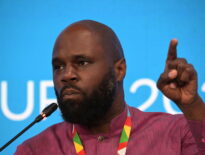
Speaking on the sidelines of the IMF–World Bank Spring Meetings, IMF Africa director Abebe Selassie described discussions with Senegal this week as “positive” and “encouraging,” noting that staff and the new government are working toward a fresh program but need more time to agree on how to handle a large debt overhang.
Reuters reports that Selassie stressed two points: that Dakar is engaging constructively after months of tension, and that “more deliberation” is needed on the debt situation before the Fund can take a new program to its Executive Board. Voice of Nigeria adds that Senegal is drawing “significant attention” at the meetings because of the sheer size of the newly revealed liabilities and the impact of last year’s program suspension on West Africa’s wider debt market.
The IMF’s tone amounts to a public signal that, despite past misreporting, it still sees Senegal as a candidate for support, provided it can present a credible plan to manage its debt without triggering social unrest.
How Senegal got into a hidden‑debt crisis
The current negotiations are overshadowed by the revelation that the previous administration had under‑reported billions of dollars in borrowing, some of it via state‑owned enterprises and special‑purpose vehicles kept off the main balance sheet.
The IMF and independent outlets say the stock of previously undisclosed debt has climbed to around 13 billion dollars, up from earlier estimates of 11 billion. That discovery forced the Fund to suspend a roughly 1.8-billion-dollar package approved in 2023 under the Extended Credit Facility and Extended Fund Facility, of which about 700 million dollars had already been disbursed.
As a result, Senegal’s official debt‑to‑GDP ratio surged above 130%, pushing it into “debt distress” territory and prompting credit‑rating concerns. In November 2025, the finance ministry told investors it remained committed to paying its obligations and continuing talks with the IMF, but acknowledged the country was bracing for a key downgrade from S&P Global.
Corrective measures and a push for transparency
In parallel with loan talks, Senegal and the IMF have been negotiating a package of “corrective measures” to address misreporting and rebuild trust.
An IMF spokesperson told the transparency outlet Eye on Global Transparency that both sides had already agreed on steps such as improved debt reporting, reconciliation exercises and an international audit of public liabilities. Some of those measures are in place, while others “will require more time to complete,” the Fund said, praising Dakar’s “commitment to transparency and reform” even as it called for “further decisive steps.”
The Africa Report previously reported that IMF staff wanted Senegal to publish an open, real‑time debt‑monitoring platform reporting directly to the finance minister, a level of transparency that officials initially resisted. Negotiations have since moved on, but the episode underlines how central data credibility has become to any future support.
Dakar’s red line: no harsh restructuring if it can be avoided
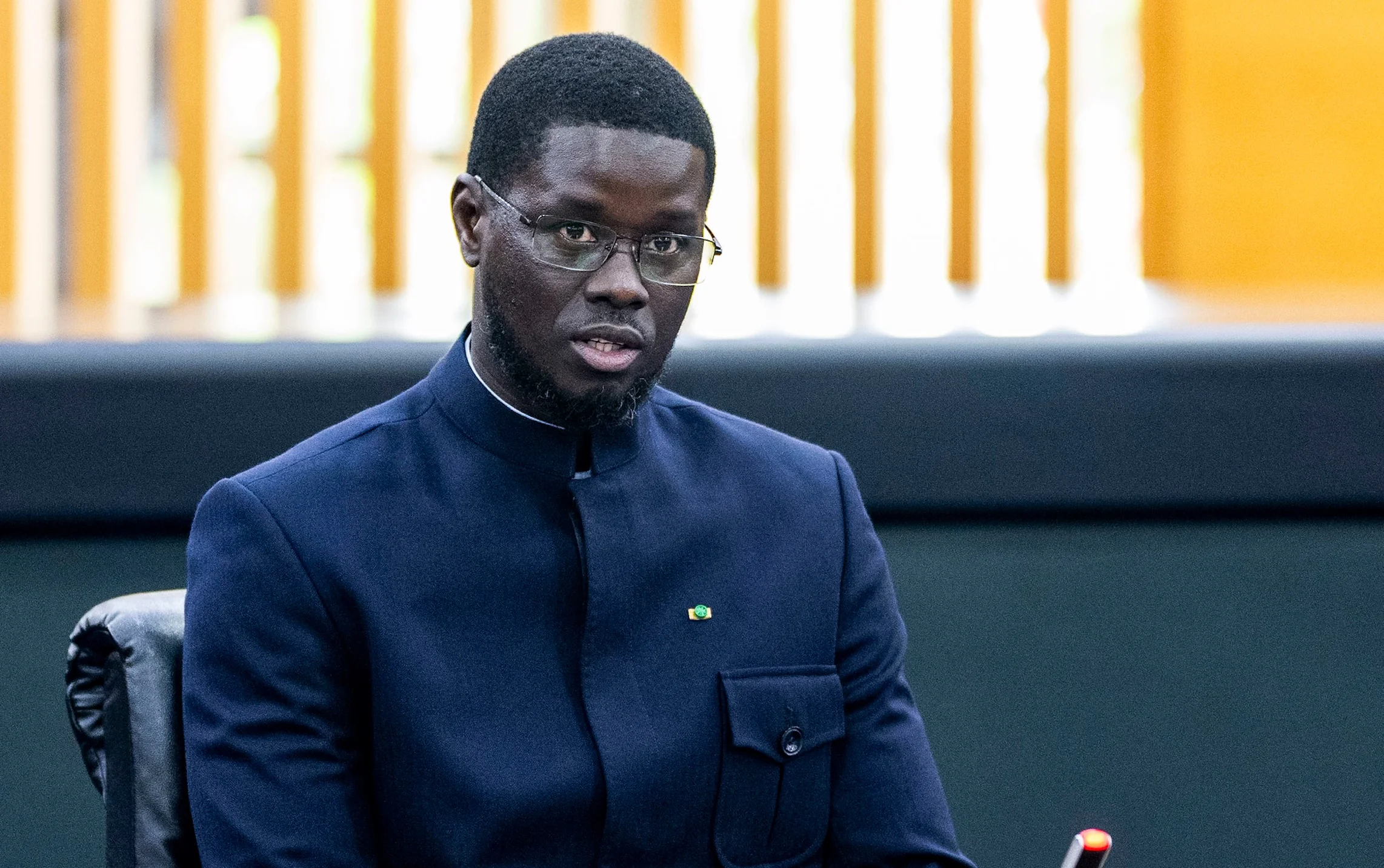
For the government of President Bassirou Diomaye Faye, elected in 2024 on an anti‑corruption and sovereigntist platform, the challenge is to demonstrate seriousness on debt without accepting the kind of harsh restructuring and austerity often associated with IMF programs.
Al Jazeera reports that the Fund has been pushing Dakar to consider a formal debt restructuring, swapping old bonds for new, longer‑dated paper to ease the repayment hump, a move that almost always implies budget cuts and slower growth. Senegal has so far pushed back, with analysts at Oxford Economics quoted as saying “the government is not cooperating,” a stance that risks prolonging the deadlock but reflects political concerns about social backlash.
Instead, officials have floated a strategy centered on higher tax revenue and tighter spending, hoping to convince the IMF that a restructuring is not necessary. In an interview with public broadcaster RTS, presidential minister Ahmadou Al Aminou Lo said that if Senegal can show it has achieved “at least 25%” of its annual tax‑revenue target in the first quarter of 2026, “that changes the game” in talks with the Fund.
The numbers: debt payments and fiscal strain
Even as talks continue, Dakar is trying to demonstrate it is a reliable borrower. A recent video report highlighted that Senegal paid nearly 471 million dollars in debt service earlier this year, meeting obligations but “facing tough times ahead” as more payments come due.
Without a new IMF program, the government faces a sizeable financing gap. The suspended 1.8-billion-dollar package represented roughly half of the projected 2024 budget deficit, making it a critical pillar for funding public investment and social programs. The country’s access to markets has become more expensive after ratings downgrades and investor anxiety over hidden liabilities.
That combination of high debt service, slower growth and expensive borrowing is precisely why the IMF is insisting on a “credible and financeable strategy” before signing off on new money.
What an eventual new IMF program might look like
While the exact shape of a new program is still under negotiation, past arrangements and current statements offer clues.
The 2023 ECF/EFF package that was suspended aimed to:
- Address “protracted balance‑of‑payments needs” and macroeconomic imbalances.
- Support reforms in tax policy, public financial management and state‑owned enterprises.
Channel climate and resilience financing through an additional 324-million-dollar Resilience and Sustainability Facility.
A new program would likely update those priorities, putting more emphasis on:
- Debt transparency and management, including strict rules on state‑owned entities’ borrowing.
- Domestic revenue mobilization, such as broadening the tax base and improving collection, rather than only raising rates.
- Protecting social and investment spending, so adjustment does not fall disproportionately on the poor.
IMF Africa director Selassie has said the Fund wants to give Senegal “time and space” to craft its own plan, stressing that “these deliberations are primarily for the government to develop a strategy that addresses the country’s debt challenges responsibly.”
Why this matters beyond Senegal
Senegal’s troubles are being watched closely across Africa’s frontier markets.
Several countries, from Ghana and Zambia to Ethiopia, have already undergone painful restructurings under IMF‑supported programs, often after hidden or opaque debts came to light. Senegal, long seen as a relatively stable and reform‑minded economy, becoming embroiled in a hidden‑debt scandal has unnerved investors and policymakers who had viewed it as a safer bet.
How the IMF and Dakar resolve this standoff will send a signal about:
- How tough the Fund will be on misreporting, and what kind of corrective steps are enough to restore trust.
- Whether governments can avoid full‑scale restructurings by boosting revenues and tightening spending, or whether debt relief is becoming unavoidable once ratios pass certain levels.
- The balance between fiscal discipline and political stability in a region where street protests over living costs have toppled or weakened several governments.
What comes next
For now, the IMF’s message is one of cautious optimism wrapped in caveats. Officials say they are “continuing to have good discussions with Senegal” on a potential program and that work will carry on after the Spring Meetings.
Technical teams will focus on:
- Updating debt sustainability analysis to reflect the full 13 billion dollar hidden‑debt stock.
- Assessing whether Dakar’s revenue and spending plans are realistic, or whether deeper adjustment is needed.
- Sequencing transparency measures so that reforms are politically and administratively feasible.
For Senegal, the stakes are high. A new IMF deal could unlock budget support, catalyze other donors, and reassure markets that the country is serious about cleaning up its books. Failure to reach an agreement, or a program seen as too harsh at home, could deepen fiscal strain and test the young administration’s mandate.
Between those poles, Senegal and the Fund are trying to chart a path that turns a hidden‑debt scandal into a turning point, one that strengthens, rather than breaks, a key West African economy under intense scrutiny.