
The Trump administration has moved to fundamentally reshape the legal immigration system, issuing a policy that in its broadest reading would force most green card applicants to leave the United States and apply from abroad, and then trying to narrow that message after a week of public backlash and legal alarm. The result is a sweeping memo from U.S. Citizenship and Immigration Services (USCIS) that appears to severely restrict “adjustment of status” inside the U.S., followed by a Department of Homeland Security (DHS) damage‑control statement insisting that the guidance merely restates long‑standing law and will not harm “highly qualified” applicants.
What the policy says, and what changed
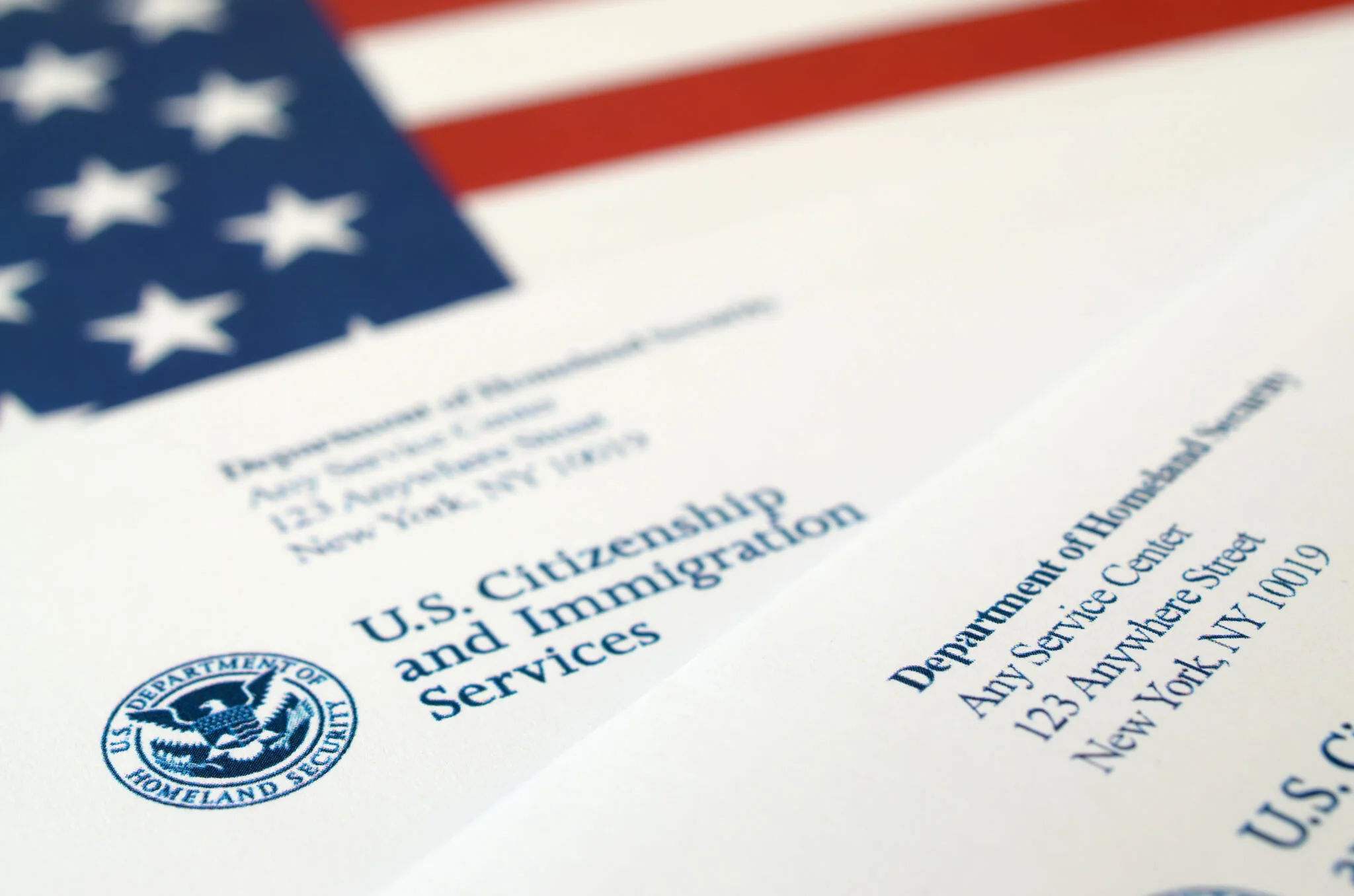
On May 21, USCIS released a policy memo instructing officers that, going forward, green cards will only be granted inside the U.S. in “extraordinary circumstances”, and that most applicants should instead pursue consular processing at U.S. embassies and consulates in their home countries.
Under long‑standing practice, many people already in the U.S. on temporary, spouses of citizens, workers sponsored by employers, students transitioning after graduation, could apply to adjust status with USCIS, attend an interview domestically, and become permanent residents without leaving the country. The memo, as described by the New York Times, NBC News and Time, “dramatically limits” that path, recasting in‑country applications as a disfavored exception.
A USCIS spokesperson told NBC and other outlets that “someone who is in the U.S. temporarily and wants a Green Card must return to their home country to apply, except in extraordinary circumstances,” language that triggered immediate alarm. The memo itself describes adjustment of status as “a matter of discretion and administrative grace, not designed to supersede the regular consular processing of immigrant visas.”
In effect, the agency is telling officers to treat domestic applications as a red flag. A legal analysis in The Conversation notes that the draft policy suggests non‑immigrants who entered on student or visitor visas should generally be expected to seek immigrant visas abroad, and that applying from inside the U.S. may be viewed as evidence that they “concealed their immigration intentions” at the time of entry.
DHS tries to walk it back
Within days, after criticism from immigration lawyers, business groups and advocates who warned that hundreds of thousands of applicants could be forced to leave, DHS issued a clarifying statement to CBS News and other outlets downplaying the scope of the change.
The department insisted the memo “restated longstanding law and policy” and would “not prevent any alien from obtaining a green card who legitimately and properly qualify.” DHS said the guidance “will result in some aliens who do not merit the discretionary benefit ultimately applying with the Department of State overseas rather than USCIS in the United States,” but claimed the policy would have “no noticeable impact on highly qualified applicants and skilled professionals who have followed the law.”
In other words, the administration is now arguing that:
- USCIS always had discretion to deny in‑country adjustment and tell people to apply abroad.
- The memo simply “reminds officers and the public” of that discretion and clarifies that cases offering clear economic benefit or national‑interest value will still be viewed favorably.
But neither the original memo nor the follow‑up statement defines “extraordinary circumstances” or “highly qualified” in binding terms, leaving applicants and attorneys with broad words instead of hard rules.
Legal context: adjustment of status vs consular processing
As a matter of statute, both paths exist. Congress wrote adjustment of status into the Immigration and Nationality Act, allowing non‑citizens “inspected and admitted or paroled” into the U.S. to apply for permanent residence without leaving, subject to eligibility and quotas. Congress also preserved consular processing, under which applicants abroad apply for immigrant visas at U.S. posts.
USCIS has always had discretion: adjustment is not an absolute right. What is new, experts say, is the presumption the memo creates, that applying from inside the U.S. is disfavored and that most cases should be routed overseas.
A Wall Street Journal breakdown notes the guidance tells officers to weigh factors like the “economic benefit of keeping applicants in the country, or the burden that forcing them to leave would create,” but sets no thresholds. Forbes’ analysis argues the memo “appears aimed at decreasing legal immigration by compelling employers, individuals and families to face extended waits at understaffed U.S. consulates, preventing certain individuals from reentering the country.”
Because consular decisions are typically shielded from judicial review under the doctrine of consular non‑reviewability, shifting cases abroad also moves many green card determinations further from federal courts’ reach.
Who will feel this most
At its broadest, the policy touches anyone in the U.S. on a temporary visa who might once have adjusted status:
- Family‑based applicants – spouses, parents and some children of U.S. citizens or permanent residents.
- Employment‑based applicants – workers on H‑1B and other non‑immigrant visas being sponsored by U.S. employers.
- Students and exchange visitors transitioning to work and residency after U.S. study.
NBC News notes that in a typical year, around 1 million people seek green cards, with roughly half applying from within the U.S. under adjustment rules. A Time analysis estimates that “hundreds of thousands of visa holders” could be forced to leave and wait abroad under the new approach.
For those subject to departure, the risks are substantial:
- Bars and bans – If an applicant has accrued unlawful presence or comes from a country subject to travel bans or enhanced vetting, leaving the U.S. could trigger three‑ or ten‑year bars on re‑entry, or make obtaining a visa practically impossible.
- Family separation – Long waits for consular appointments and background checks can split families for months or longer, with U.S.‑citizen spouses and children remaining behind.
- Economic disruption – Employers sponsoring workers may lose staff for uncertain periods; applicants may have to quit jobs and uproot children from schools without any guarantee they will be allowed back.
The Conversation article illustrates this with “Lucy,” a hypothetical graduate who built a life in the U.S. on a student visa and job offer, but who under the new policy would be expected to return home and overcome suspicions that her earlier non‑immigrant application concealed an intent to stay.
Government’s rationale vs critics’ reading
Officially, USCIS and DHS say the policy is about closing loopholes and enforcing the temporary nature of non‑immigrant visas.
USCIS argues that when people denied adjustment are already outside the U.S., there is less need “to locate and deport those who may choose to remain unlawfully,” and that shifting many cases to consulates will let the agency prioritize naturalization and humanitarian cases. DHS now emphasizes that “highly qualified applicants and skilled professionals who have followed the law” will still merit favorable discretion, and that those who “benefit the national interest” will be protected.
Critics see a broader pattern. Time, NBC, and the American Immigration Council all frame the memo as part of a strategy to shrink legal immigration without changing statutes: raising hurdles on refugees, tightening public‑charge rules, reviewing even green card holders from travel‑ban countries, and now narrowing in‑country residency options.
Immigrant‑rights organizations warn that treating domestic applications as suspect “circumvention” of consular processing, as the draft memo suggests, flips the long‑standing understanding of the law, and feeds a narrative that even legal immigrants are presumptively untrustworthy.
Legal and political fallout
Because the memo is policy guidance rather than a formal regulation or statute, lawsuits are expected to focus on whether USCIS is abusing its discretion and effectively rewriting Congress’s framework by making adjustment of status unattainable for broad categories of people the law allows to apply.
Law professors writing in The Conversation argue that courts may scrutinize the policy under administrative‑law principles if it leads to arbitrary or inconsistent decisions, especially given the blurred line between “extraordinary circumstances” and ordinary family‑ or work‑based cases.
Politically, the episode has already produced a messaging split: an initial hard‑line statement from USCIS that pleased immigration‑restrictionist allies, followed by DHS assurances aimed at calming business groups and moderates worried about losing skilled workers and fracturing families. That tension is likely to persist as adjudicators begin applying the memo in real cases and as Congress hears from constituents unexpectedly told to leave the country mid‑process.
For now, immigration lawyers’ advice to green card hopefuls is blunt: get competent legal counsel, avoid travel without advice, and assume that in‑country applications will face tougher scrutiny and greater uncertainty than at any point in recent decades.





