
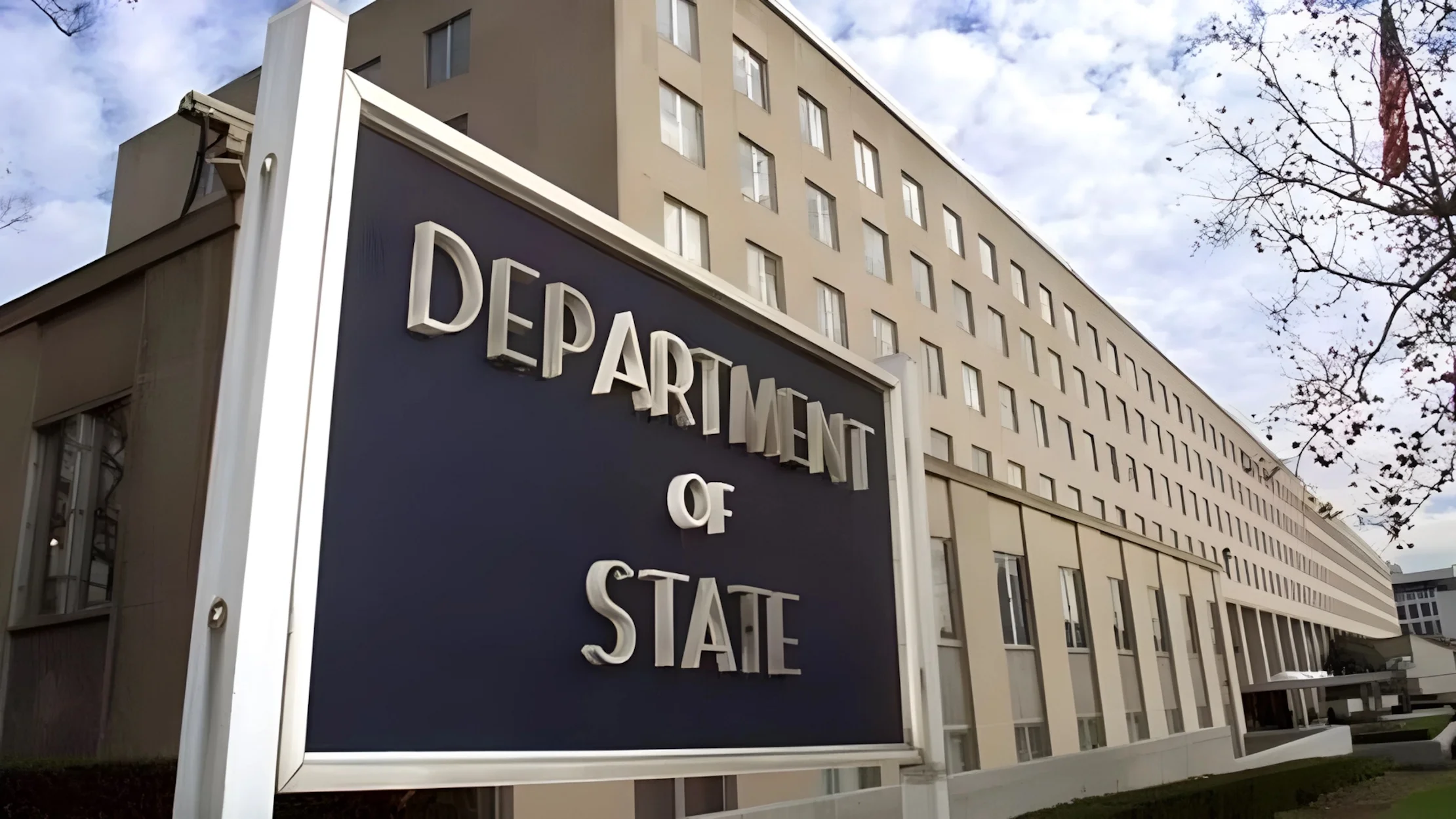
The Trump administration is moving to suspend immigrant visa processing for nationals of 75 countries starting January 21, in one of the broadest legal‑immigration crackdowns by a U.S. government in modern history. The pause, which does not affect tourist and other non‑immigrant visas, will apply to people seeking to live and work permanently in the United States and will remain in place indefinitely while the State Department says it reassesses how to screen applicants deemed at risk of becoming a “public charge.”
What the new policy does
The State Department says consular officers will stop processing immigrant visa applications, those that lead to permanent residency, for people holding passports from the 75 listed countries as of January 21, 2026.
Key points:
- The suspension is indefinite, with no set end date, and will remain until the department completes a “comprehensive assessment” of screening rules.
- The move does not affect visitor or other non‑immigrant visas, such as many tourist or business visas, which the U.S. is keen to maintain as it looks ahead to the 2026 World Cup and 2028 Los Angeles Olympics.
- Current immigrant visas that have already been issued are not cancelled, but pending and future cases from the affected countries will be frozen.
Officials say the step is rooted in long‑standing “public charge” provisions that allow the U.S. to deny entry to foreigners likely to depend on welfare or public assistance. Critics describe it as a sweeping new version of Trump’s travel‑ban politics that targets legal immigration as well as asylum and refugee routes.
Why the administration says it’s doing this
In statements and leaks to U.S. outlets, the administration frames the move as a bid to protect American taxpayers and tighten a system it argues has been abused.
A State Department memo obtained by Fox News directs consular officers to refuse immigrant visas under existing law while screening and vetting procedures are reviewed for nationals of the 75 countries. A separate statement quoted by NPR says the goal is to prevent entry by people “who may rely on welfare and public aid” and to stop “the exploitation of America’s immigration system by individuals seeking to benefit financially from American resources.”
The move builds on a November directive telling diplomats to apply public‑charge rules more aggressively and to demand proof that applicants can support themselves without U.S. government assistance. It also follows earlier travel bans and entry restrictions that, according to the Council on Foreign Relations, were already affecting nearly 40 countries before this latest expansion.
Trump, who campaigned in 2024 on promises to “permanently pause” immigration from countries he deems risky after an Afghan national was linked to a deadly incident near the White House, has repeatedly portrayed the measure as a continuation of that pledge.
The 75 countries: full list and regions
The 75 affected countries span every major region, including U.S. allies and popular destinations for American tourists. Bloomberg and immigration‑law analyses provide a consolidated list, which the State Department has also posted on its website.
According to those sources, the countries are:
- Europe (largely Balkans and former Soviet states): Albania; Belarus; Bosnia and Herzegovina; Kosovo; Moldova; Montenegro; North Macedonia.
- Asia‑Pacific and Eurasia: Afghanistan; Armenia; Azerbaijan; Bangladesh; Bhutan; Cambodia; Fiji; Georgia; Iran; Iraq; Jordan; Kazakhstan; Kuwait; Kyrgyzstan; Laos; Lebanon; Mongolia; Myanmar (Burma); Nepal; Pakistan; Russia; Syria; Thailand; Uzbekistan; Yemen.
- Africa (selected examples): Algeria; Cameroon; Cape Verde; Cote d’Ivoire; Democratic Republic of the Congo; Eritrea; Ethiopia; Gambia; Ghana; Guinea; Liberia; Libya; Morocco; Nigeria; Rwanda; Senegal; Sierra Leone; Somalia; South Sudan; Sudan; Tanzania; Togo; Tunisia; Uganda.
- Latin America & the Caribbean: Antigua and Barbuda; Bahamas; Barbados; Belize; Brazil; Colombia; Cuba; Dominica; Grenada; Guatemala; Haiti; Jamaica; Nicaragua; Saint Kitts and Nevis; Saint Lucia; Saint Vincent and the Grenadines; Uruguay.
Some lists also include Armenia and Egypt among Middle Eastern and North African states, while Brazil, Nigeria and Pakistan are highlighted as major sources of legal immigration now swept into the freeze.
Dual nationals are exempt if they apply with a passport from a country not on the list.
Who is likely to be affected
The suspension strikes at the heart of family‑based and employment‑based immigrant visa channels for millions of people:
- Spouses, children and parents of U.S. citizens and permanent residents from the 75 countries who are in the pipeline for green cards processed at consulates.
- Skilled workers, investors and diversity‑visa lottery winners from affected nations who rely on consular immigrant visas rather than status adjustments in the U.S.
- Refugees and certain special immigrant categories that still require consular processing, though officials stress some humanitarian exceptions may be considered case‑by‑case.
The Cato Institute estimates that, taken together, the 75 countries account for roughly half of all legal immigrants to the United States in recent years, meaning the policy could effectively cut legal immigration in half if it remains in place for an extended period. Advocacy groups warn that U.S. citizens with relatives from those nations will see reunification delayed indefinitely.
Legal and political fallout
Immigrant‑rights organizations and some legal experts argue that using public‑charge rules to justify an across‑the‑board national list goes far beyond how the law has traditionally been applied and will almost certainly be challenged in court. Past lawsuits over earlier Trump‑era public‑charge regulations focused on claims that they discriminated against poorer and non‑white immigrants in ways Congress did not intend.
The administration counters that the statute gives consular officers wide discretion to deny visas based on the likelihood an applicant will rely on public benefits, and that concentrating enforcement on countries with higher welfare‑use rates is a legitimate policy choice.
For U.S. readers, the move deepens partisan divides over immigration in an election year, with Trump’s allies praising a “long‑overdue reset” of legal immigration and critics calling it a “back‑door ban” that punishes entire nations for economic conditions beyond individual applicants’ control. For EU and global audiences, the suspension complicates family plans, business mobility and diaspora ties from Nigeria and Pakistan to Brazil, Russia, and the Balkans, underscoring how U.S. domestic politics can abruptly reshape migration pathways far beyond its borders.