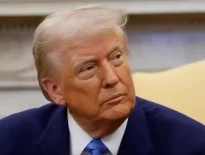
Sanctuary cities are U.S. cities, counties, and states that limit how far local police and officials will go in helping federal immigration agents, and President Donald Trump is now threatening to cut off federal money to those places as early as February 1. The clash sets up a fresh legal and political battle over immigration, states’ rights, and public safety in communities from New York and Chicago to California and Colorado.
What “sanctuary city” actually means
There is no single legal definition of a sanctuary city, but the term generally refers to local or state governments that limit their cooperation with federal immigration enforcement.
Typical sanctuary policies can include:
- Declining to hold people past their normal release date solely on a civil immigration “detainer” from U.S. Immigration and Customs Enforcement (ICE).
- Restricting when local police can ask about a person’s immigration status or share that information with federal authorities.
- Ensuring access to city services, schools, health care, courts, regardless of immigration status.
Advocates describe these policies as public‑safety measures that encourage immigrants to report crimes and cooperate with police without fearing deportation. Critics frame them as shielding “illegal immigrants” from removal.
What Trump is threatening to do
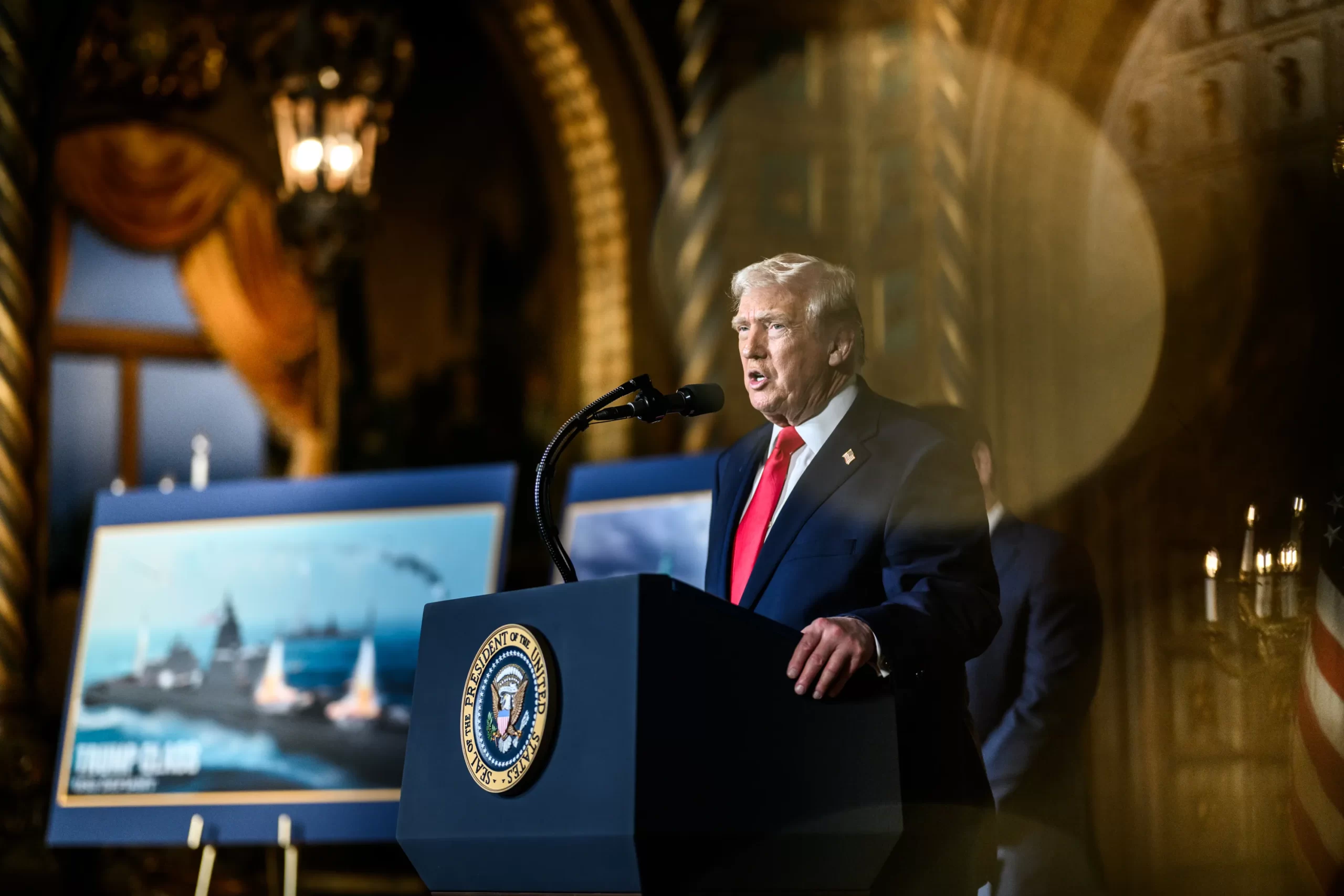
In a Detroit speech and follow‑up comments, Trump said his administration will stop making federal “payments” to sanctuary cities and states with sanctuary policies beginning February 1.
“Starting Feb. 1, we’re not making any payments to sanctuary cities or states having sanctuary cities because they do everything possible to protect criminals at the expense of American citizens,” he said, adding that such policies “breed fraud and crime.”
A Newsweek summary said Trump wants to cut off unspecified streams of federal money to jurisdictions on a list compiled by his administration’s Homeland Security and Justice Departments. A USA TODAY report noted that the move revives a long‑running conservative goal: using federal grants to pressure local governments that refuse to help enforce immigration law.
The details remain vague. Past efforts have focused on discretionary grants from departments like Justice and Homeland Security, rather than automatic entitlement programs such as Medicaid, which previous courts were reluctant to tie to immigration cooperation.
Who counts as a sanctuary city or state
A Justice Department notice in 2025 said it had identified sanctuary jurisdictions, including entire states and specific cities and counties, based on factors such as:
- Whether they honor ICE detainer requests.
- Local limits on information‑sharing with federal immigration authorities.
- Legal protections or “don’t ask” rules for people without legal status.
That list named California and Colorado among sanctuary states, alongside dozens of localities such as New York City, Chicago, Denver, Seattle, and Washington, D.C.
Examples often cited in policy overviews include:
- San Francisco, which declared itself a sanctuary city and later strengthened policies barring local authorities from holding people solely for ICE if they lack certain violent felony records.
- Chicago, which has a “Welcoming City” ordinance preventing police from arresting people solely due to immigration status.
- New York City, which restricts cooperation with detainers except in certain serious cases and emphasizes access to city services regardless of immigration status.
At the same time, some states, such as Texas, Florida, Arkansas, and New Hampshire have passed laws banning sanctuary policies and requiring broad cooperation with federal immigration enforcement.
The legal fight over cutting funding
This is not the first time a president has tried to use federal dollars as leverage over sanctuary policies. In 2017, federal courts blocked large parts of Trump’s first‑term executive order threatening to withhold funding, ruling that the administration could not unilaterally impose new conditions on money already appropriated by Congress.
Legal analyses emphasize:
- The federal government can attach conditions to new grants, if Congress authorizes them, but sweeping efforts to strip existing funding have repeatedly run into constitutional limits on coercing states and cities.
- Courts have also scrutinized attempts to tie unrelated funding streams (like policing grants) to immigration enforcement, especially when statutes don’t clearly permit it.
News reports on Trump’s new threat note that he did not specify which “payments” will be cut off or how his administration would navigate previous court rulings. That ambiguity almost guarantees fresh lawsuits from cities and states if the Feb. 1 deadline is enforced.
Competing claims about crime and public safety
Trump describes sanctuary jurisdictions as places that “protect criminals,” asserting that limiting cooperation with ICE “breeds fraud and crime.” Sanctuary‑policy supporters, including mayors of major cities, argue the opposite: that public safety depends on immigrants being able to report crimes and act as witnesses without fear that a routine encounter with local police leads to deportation.
A Vera Institute explainer notes that sanctuary policies are “often adopted in areas with large immigrant populations” and are intended to “prioritize the safety and well‑being of all residents by limiting cooperation with federal immigration authorities.” The American Immigration Council similarly stresses that these policies grow out of the principle that the federal government “cannot compel jurisdictions to take part in immigration enforcement,” leaving local police to focus on local crime.
In a House Oversight hearing highlighted by Vera, the mayors of Boston, Chicago, Denver, and New York defended their sanctuary approaches and pointed to crime statistics they said contradict claims that such cities are less safe.
What’s at stake for cities, states and immigrants
For sanctuary jurisdictions, a loss of federal money, even if limited to certain grants, could affect police departments, jails, public‑health programs and social services that rely partly on Washington’s dollars. Many of those same programs serve immigrant communities at the center of the sanctuary debate.
For immigrant residents, Trump’s threat reinforces fears that contact with local government, from reporting domestic violence to visiting a clinic, could be used against them if cooperation with ICE expands. Advocacy groups warn that weakening sanctuary protections may push people further into the shadows and hamper both crimes reporting and public‑health efforts.
For EU and global audiences, the showdown illustrates how U.S. federalism and immigration enforcement collide: Washington controls borders and deportation, but cities and states hold real power over policing priorities and access to public services. How courts respond to Trump’s funding threat will help determine whether local sanctuary policies endure, or whether the federal purse becomes a more effective tool for reshaping them nationwide.