Donald Trump says the United States and Iran are in the “final stages” of a memorandum of understanding to end their current conflict, reopen the Strait of Hormuz and lay the groundwork for wider talks on Tehran’s nuclear program and regional role. In a flurry of weekend statements and phone calls, the president declared that a peace deal with Iran and several key Middle Eastern countries is “largely negotiated,” even as U.S. officials and analysts cautioned that major issues remain unresolved, and no formal accord has yet been signed.
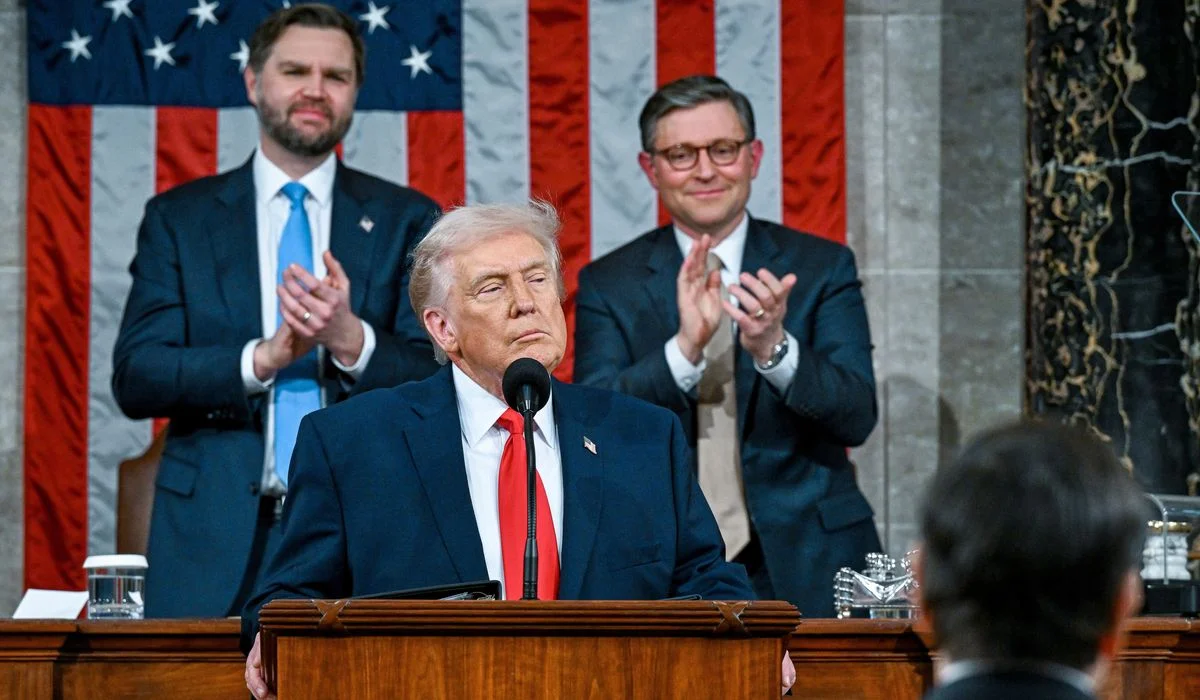
Trump’s announcement: “Agreement has been largely negotiated”
Trump’s latest claim came in a Truth Social post on Saturday afternoon, in which he wrote that “an agreement has been largely negotiated, subject to finalization between the United States of America, the Islamic Republic of Iran, and the various other countries, as listed.” He said the accord would “end the war with Iran” and that “final details and aspects of the agreement will be announced shortly.”
In an interview with Axios earlier in the day, the president put the chances of reaching what he called a “good” deal at “a solid 50/50,” adding that if diplomacy failed, he was prepared to “blow them to kingdom come.” The remark underscored the high‑stakes, high‑risk nature of the talks after months of conflict and tit‑for‑tat strikes between U.S. forces, Iran, and their proxies.
Officials from the U.S. and Iran have avoided confirming Trump’s more sweeping language but broadly agree that negotiations have moved into an advanced phase. ABC News reported that senior officials on both sides “believe they are close to a breakthrough” on a memorandum of understanding to end active hostilities and reopen key shipping lanes.
What’s on the table: ceasefire, Strait of Hormuz, sanctions
While full details have not been made public, reporting from regional and U.S. outlets points to several core elements of the emerging framework.
The Jerusalem Post, citing Trump and regional diplomats, says the agreement under discussion is “fairly comprehensive to terminate the war” and involves not only the U.S. and Iran but also Saudi Arabia, the United Arab Emirates, Qatar, Pakistan, Turkey, Egypt, Jordan, and Bahrain. Two Pakistani officials involved in the talks told Reuters the deal is “fairly comprehensive to terminate the war,” with further negotiations planned after the Eid holiday if Washington signs off on the memorandum.
Key reported elements include:
Ceasefire extension: The Financial Times, cited by the Jerusalem Post, reported that Washington and Tehran are on the verge of agreeing to a 60‑day extension of the current ceasefire, giving negotiators time to tackle outstanding issues. ABC News similarly notes that the plan “extends the ceasefire for 60 days so they have time to discuss and negotiate the details of a deal.”
Reopening the Strait of Hormuz: Trump and regional media both highlight the gradual reopening of the Strait of Hormuz, the critical oil and gas chokepoint that has seen closures and blockades by both sides. Trump has said the waterway will be reopened as part of the agreement, although, as one YouTube analysis notes, “Tehran insists it will remain under Iranian control.” Axios reported that the draft would reopen the shipping channel with no Iranian tolls for a 60‑day period while broader talks continue.
Unfreezing Iranian assets: One broadcast summary says that unfreezing some Iranian assets held overseas is on the table as part of confidence‑building measures, though details are vague and contingent on further nuclear discussions.
Taken together, the elements resemble a sequenced de‑escalation plan: extend the ceasefire, reopen the strait to lower economic and energy tensions, and then move into more complex issues of sanctions and nuclear enrichment.
What’s not resolved: the nuclear file
Notably absent from the emerging memorandum is a fully worked‑out solution to Iran’s nuclear program, the issue that has dominated U.S.–Iran diplomacy since at least the 2015 Joint Comprehensive Plan of Action (JCPOA).
The Jerusalem Post reports that “Iran’s nuclear program remains unresolved, with Tehran indicating it would be addressed in a broader agreement over the coming months.” ABC News similarly quotes analysts saying the memorandum “allows both sides 60 days… to discuss and negotiate the details of a deal,” with nuclear constraints high on that list.
The historical backdrop is complicated. Trump withdrew the U.S. from the JCPOA in 2018, calling it a “horrible, one‑sided deal” and re‑imposing sweeping sanctions. Since then, according to the Arms Control Association, Iran has steadily expanded its stockpile of highly enriched uranium, with IAEA reports in 2025 noting sharp increases in 60%‑enriched material that shorten Tehran’s so‑called breakout time.
More recently, Trump has made disputed claims about nuclear concessions from Tehran. In April, he said Iran had agreed to hand over “nuclear dust”, material buried after U.S. airstrikes on nuclear sites, which he framed as a major concession; Iran has not confirmed that description, and independent experts say surrendering highly enriched uranium would indeed be significant but caution that Trump’s statements often outpace verified facts.
Earlier this month, PBS reported that Trump rejected an Iranian peace proposal that did not include nuclear concessions, saying the ceasefire was on “life support” and announcing new sanctions as talks stalled. Against this backdrop, analysts warn that any memorandum that defers the nuclear file risks buying short‑term calm at the price of long‑term ambiguity.
How the deal came together: mediators and pressure
The path to the current memorandum has run through a mix of quiet mediation and loud brinkmanship. Wikipedia’s overview of the 2025–2026 Iran–U.S. negotiations notes that after Tehran accelerated its enrichment and U.S. sanctions intensified, Trump set deadlines and backed them with threats of force, while regional actors shuttled between Washington and Tehran.
Pakistani officials play a prominent role in the current phase. Two sources in Islamabad told Reuters the talks they are involved in are “fairly comprehensive to terminate the war” and that if the U.S. accepts the memorandum of understanding, “further talks could take place after the Eid holiday.” ABC News reports that Pakistani‑mediated talks have “moved towards reducing the points of disagreement” over the past week, but that “there are still issues that need to be discussed through the mediators.”
Throughout, Trump has alternated between touting diplomatic progress and threatening escalation. PBS’s May 11 segment on Iran negotiations described a president who said the ceasefire was near collapse, rejected Tehran’s latest offer and vowed to consult generals on “how to overcome the deadlock”, only to later tout a “largely negotiated” agreement.
BBC analysis published earlier this month noted that Trump’s hopes for an Iran peace deal were “laced with caveats,” hinging on contentious issues like nuclear limits, sanctions relief and security guarantees for regional allies. Those caveats remain even as he now claims to be nearing the finish line.
Regional stakes: beyond Washington and Tehran
The memorandum would not be merely a bilateral U.S.–Iran understanding. Trump and regional reporting both emphasize that a slate of Middle Eastern countries are party to, or at least closely tied into, the talks.
According to the Jerusalem Post, the countries explicitly referenced include Saudi Arabia, the United Arab Emirates, Qatar, Pakistan, Turkey, Egypt, Jordan, and Bahrain, reflecting both Gulf monarchies and key Muslim states outside the Arab world. Any agreement to reopen the Strait of Hormuz, adjust naval deployments or coordinate sanctions relief would have direct implications for those governments’ economies and security.
The FT report cited by regional media suggests that reopening the Strait would be phased and conditional, addressing concerns raised by both sides after closures and blockades threatened to disrupt a major artery for global oil and gas shipments.
For Israel, which has carried out strikes against Iranian targets and warned against any deal that leaves Tehran with an advanced nuclear program, the stakes are also high. The Jerusalem Post notes that Trump spoke with Prime Minister Benjamin Netanyahu about the emerging framework, though details of that conversation remain confidential.
What “progress” really means
Trump’s language — “largely negotiated,” “in the final stages,” “very close” to a deal — suggests a breakthrough. But diplomats and analysts urge caution in interpreting his comments as a done deal.
ABC’s Tehran‑focused segment stresses that “while not a peace deal just yet, analysts say it is a step in the right direction,” essentially a memorandum of understanding plus a ceasefire extension that creates space for more detailed bargaining.
BBC’s earlier caveat‑laden analysis of Trump’s Iran peace hopes emphasized that any agreement to end hostilities must still wrestle with “hard questions” about verification, regional militias, and sanctions. None of those appear fully settled.
What the current moment clearly does represent is de‑escalation on paper:
- A pathway to keep guns quiet for at least 60 more days.
- A framework to ease a dangerous maritime standoff in one of the world’s most important shipping lanes.
- A political opportunity, and risk, for Trump, who can claim progress toward ending a war he once said he might widen, even as critics recall his earlier withdrawal from the JCPOA and years of pressure tactics.
Whether that progress hardens into a durable peace deal or dissolves into another cycle of missed deadlines and recriminations will depend on what both Washington and Tehran do with the 60‑day window they are now carving out.