
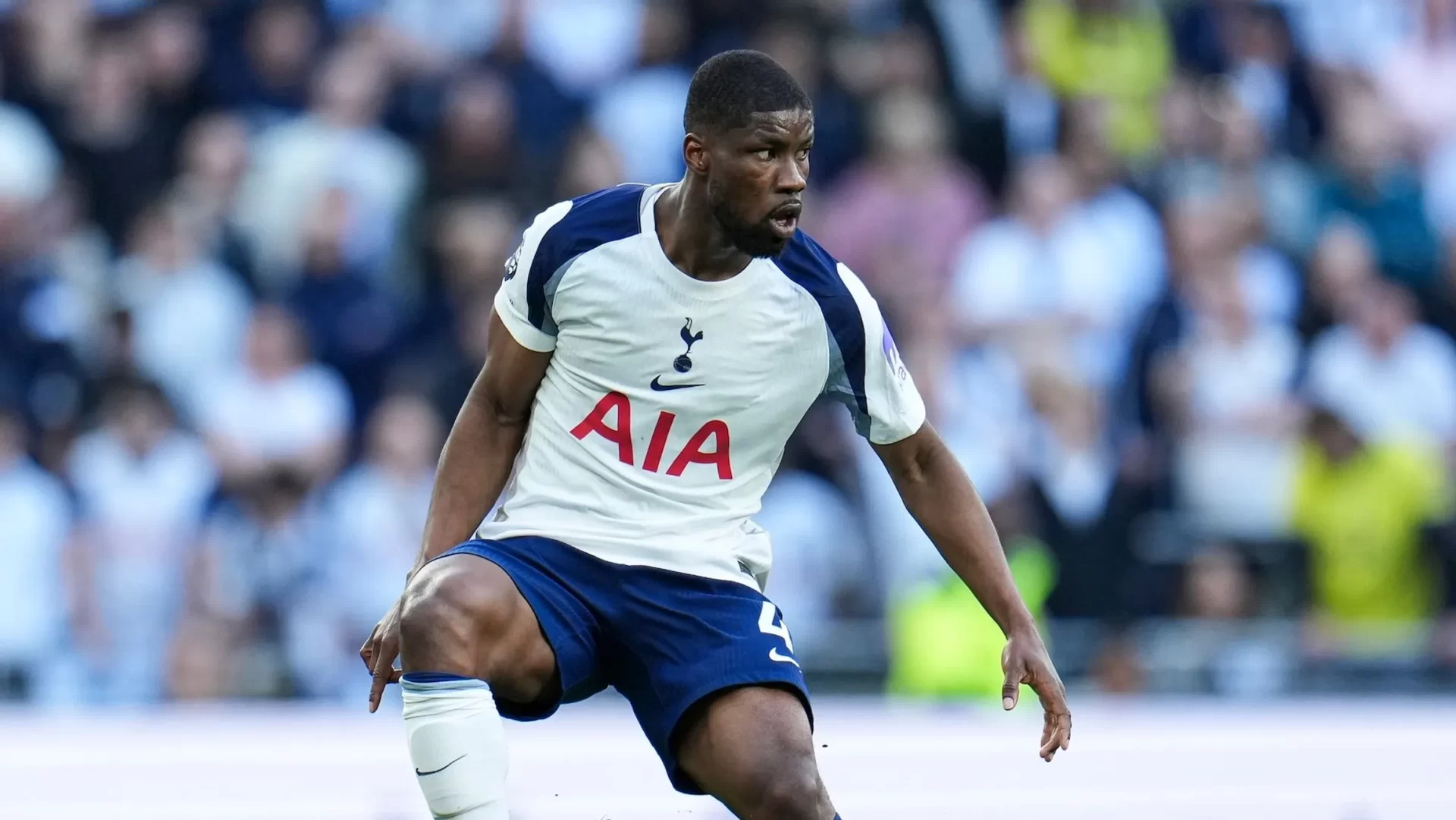
Tottenham Hotspur have condemned what they called “vile, dehumanising racism” aimed at defender Kevin Danso on social media and have reported a wave of online abuse to police after the Austrian international’s error contributed to a damaging draw against Brighton on a weekend dedicated to the Premier League’s No Room For Racism campaign. The club has vowed to pursue “the strongest possible action” against those responsible, insisting that poor form and relegation fears “can never excuse or explain racist abuse.”
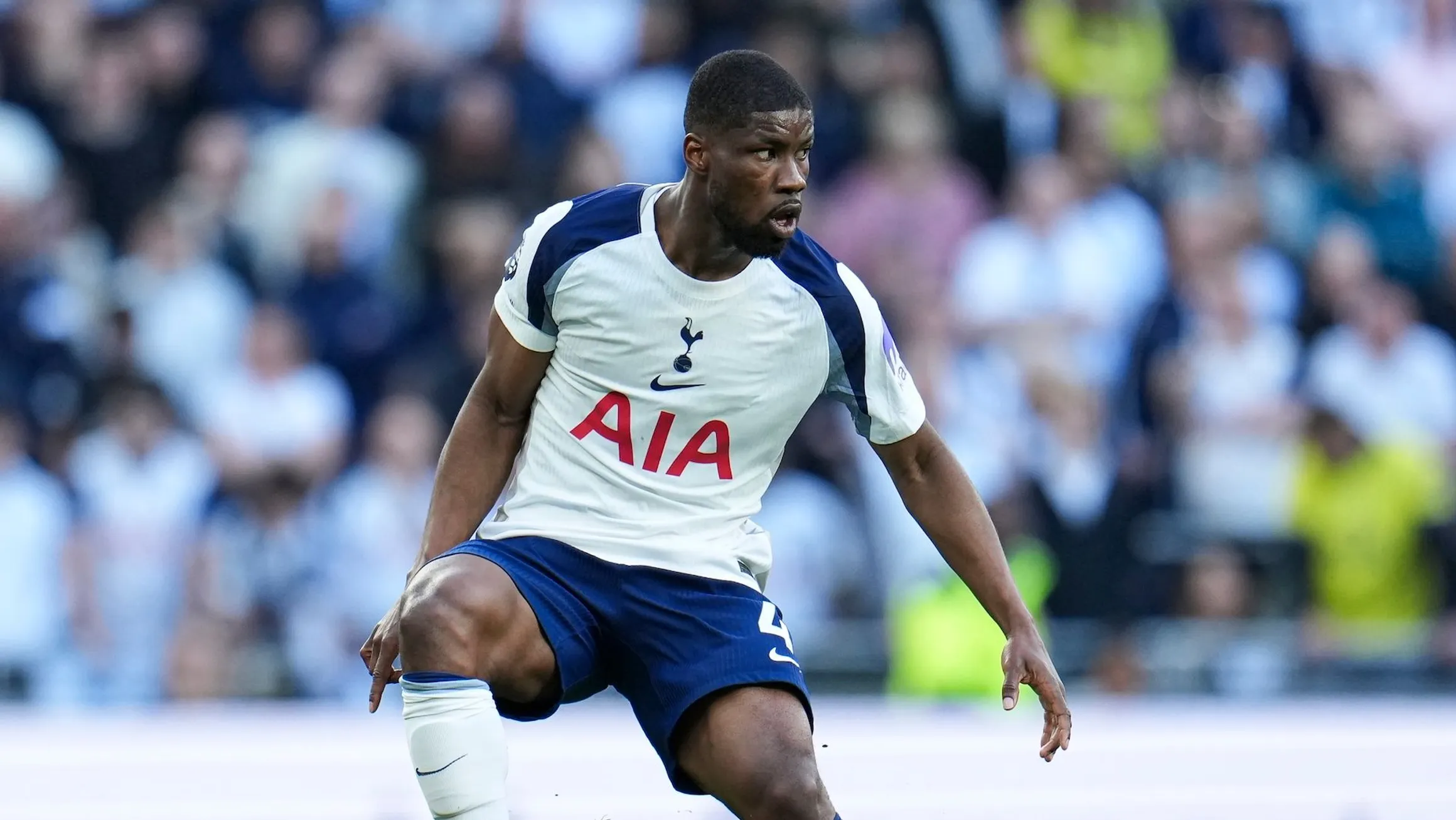
The incident that sparked the abuse
Danso, signed from Lens in February 2025, was involved in the decisive moment of Tottenham’s 2–2 home draw with Brighton & Hove Albion on Saturday. With Spurs leading deep into stoppage time, the center‑back opted to take a touch rather than clear his lines, allowing Brighton to pounce and ultimately score a late equalizer that kept Tottenham mired in the relegation zone.
The mistake came against the backdrop of a season in which Spurs have flirted with the bottom three and supporters have grown increasingly anxious about the prospect of a first relegation from the Premier League era. Danso had already drawn criticism earlier in the campaign for a perceived “tone‑deaf” social media post from a film premiere while the club’s league form was spiraling, making him a lightning rod for frustration in some corners of the fanbase.
After the Brighton game, that frustration boiled over into targeted racist abuse on X, Instagram, and other platforms, prompting the club’s intervention.
Tottenham’s forceful statement
In a strongly worded statement published on their channels, Tottenham Hotspur said Danso had been subjected to “significant and abhorrent racist abuse” online since the final whistle.
“Since yesterday’s fixture against Brighton, which took place during the Premier League’s No Room For Racism weekend, Kevin Danso has been, and continues to be, subject to significant and abhorrent racist abuse on social media,” the club said.
“We have heard and seen vile, dehumanizing racism. Behavior that is without doubt a criminal offence. It will not be tolerated.”
The statement went on to outline specific steps:
- Spurs are reporting all identified content to the Metropolitan Police and to “the appropriate authorities in the country where perpetrators reside.”
- Abusive posts are also being flagged to the relevant social media platforms.
- The club will “push for the strongest possible action against each and every person we identify.”
“Kevin has our complete and unconditional support as a player and as a person,” Spurs added. “No one at this club will ever stand alone in the face of this.”
“Form and league position can never excuse racism”
One of the most pointed passages in Tottenham’s statement directly addressed fans who might seek to link performance and abuse.
“Nothing about form or league position can ever excuse or explain racist abuse,” the club said. “There is no connection between performance on the pitch and the right to target a player with discrimination. Criticism of performances is part of the game. Racism is not.”
That framing reflects a broader anxiety inside clubs and governing bodies that the emotional volatility of results is being used as cover for discriminatory attacks, particularly online where abusers can hide behind anonymity.
By stressing the difference between footballing criticism and racist vitriol, Spurs signalled that while debate over tactics and selection is welcome, any racist targeting of players will be treated as a criminal matter rather than a heated fan reaction.
Police involvement and platform responsibility
The club’s decision to escalate the matter to the Metropolitan Police is in line with Premier League guidance encouraging teams to criminally pursue racist trolls in partnership with law enforcement.
ESPN and Irish broadcaster RTÉ report that all abusive posts identified so far have been packaged with user details where possible and passed to officers, while additional reports will follow as the club’s safeguarding and legal teams continue to monitor Danso’s accounts.
Tottenham have also placed responsibility on platforms, saying they are engaging with social media companies to ensure offending posts are removed and offending users face bans where warranted. While no platform has publicly commented in this case, similar incidents in recent seasons have led to permanent suspensions and, in some instances, successful prosecutions.
The timing, on a No Room For Racism weekend that saw players, managers and stadia display anti‑racist messaging, has amplified criticism that symbolic campaigns are not being matched with enough structural action by tech firms.
Dan so’s season and a wider culture of scapegoating
Danso, who joined Spurs from Lens for a reported £21.5m in 2025, has been a regular presence this season, often called upon amid injuries to other center‑backs. Local coverage notes that he has “played almost every minute” in recent weeks, with that heavy workload contributing to a run of form that has drawn criticism as Tottenham slid toward the bottom three.
Earlier in March, some supporters took aim at a red‑carpet Instagram post from Danso attending a film premiere, accusing him of “failing to read the room” while the club struggled. That episode remained largely within the bounds of footballing debate; the abuse following the Brighton draw crossed a clear line into racism, according to the club and outside observers.
The pattern, a high‑profile error followed by racist attacks on a Black player, mirrors similar cases involving Premier League footballers in recent years and highlights how quickly legitimate criticism can mutate into dehumanizing abuse once it moves onto social media.
Relegation pressure and fan anger
Tottenham’s 2–2 draw with Brighton left them “languishing in the relegation zone,” as multiple reports put it, deepening fears of a shock drop to the Championship. Supporters’ pages and fan media have been awash with anger over tactical decisions, defensive lapses and perceived lack of leadership as the club’s season has unraveled.
In that climate, Danso’s late mistake has become a focal point for frustration, with some fans on Facebook and Instagram posting harsh but non‑racist criticism of his decision‑making and composure. Tottenham’s statement implicitly acknowledges that emotional intensity but draws a clear boundary around acceptable discourse.
By confronting the racist element directly, the club is also seeking to ensure that its relegation battle does not become an excuse for normalizing abusive behavior toward players who already face intense public scrutiny.
Football’s ongoing struggle with online racism
The Danso case is the latest in a string of incidents in which clubs have been forced to issue statements condemning racist abuse of their players after high‑profile matches. In recent seasons, players from Arsenal, Manchester United, Chelsea and other sides have all been targeted following missed penalties, own goals, or high‑stakes defeats.
Campaigns like No Room For Racism and broader initiatives by Kick It Out and the Professional Footballers’ Association have pushed for better reporting tools, faster platform response times and more robust legal consequences. Yet the Danso episode underlines how persistent the problem remains, particularly when clubs are underperformance pressure.
Spurs’ insistence that “no one at this club will ever stand alone in the face of this” is intended both as a message of solidarity to Danso and as a warning to future abusers that their actions will not be shrugged off as part of the game.
As Tottenham fight for their Premier League status on the pitch, they now also find themselves at the center of a familiar battle off it: drawing a bright line between passion and prejudice in a sport that still grapples with racism every time a player becomes a scapegoat on a screen.



